
Why Nostalgia is the Strongest Currency in Pop Culture
A critical essay tying together reboots, remakes, and why people crave the comfort of the past.

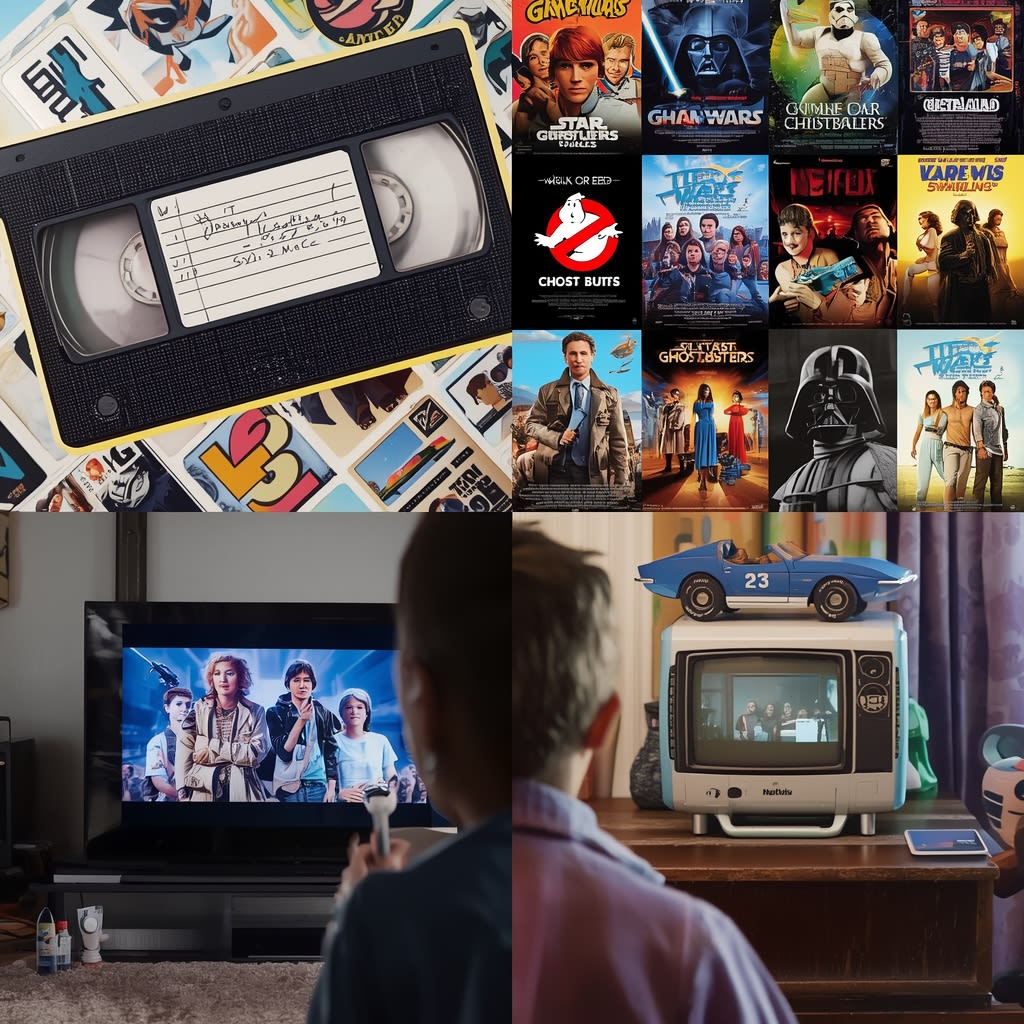
Why Nostalgia is the Strongest Currency in Pop Culture
By Hasnain Shah
Walk into any movie theater in 2025 and take a look at the marquee. Chances are high that you’ll find at least one reboot, remake, or sequel to a franchise that first appeared decades ago. Ghostbusters, Star Wars, Batman, Lord of the Rings, even Mean Girls—our screens are crowded with echoes of the past dressed in modern visuals. The same is true in music, where artists sample 90s beats, and in fashion, where “Y2K” aesthetics are suddenly chic again. In every corner of pop culture, nostalgia isn’t just a flavor—it’s the main course.
The question is: why? Why do we keep turning back to the past instead of forging ahead into something wholly original? The easy answer is money. Studios and corporations know that nostalgia sells. But beneath the surface, there’s something deeper. Nostalgia is more than marketing—it’s a psychological comfort, a cultural glue, and, in many ways, the strongest currency in pop culture today.
The Psychology of Safety
At its root, nostalgia is about safety. In a world that feels unpredictable—political shifts, climate anxiety, pandemics, technological upheaval—people crave something that feels stable. Rewatching a beloved film from childhood or seeing a favorite character reimagined brings back not only the story but the emotional security of the first time we encountered it. When Spider-Man swings across the screen, we’re not just watching a superhero; we’re reliving a time in our lives when we were younger, freer, maybe even happier.
Psychologists describe nostalgia as a kind of “emotional time travel.” It allows us to revisit memories that shaped us and to temporarily anchor ourselves against the rapid current of change. That’s why streaming services lean heavily on catalog titles. It’s not just that people can watch Friends or The Office on repeat—it’s that these shows feel like home.
Nostalgia as Cultural Continuity
Beyond personal comfort, nostalgia also creates continuity across generations. A parent introduces their child to the music of the 1980s or the films of the 1990s, and suddenly a cultural bridge is formed. Reboots and remakes take advantage of this by layering old and new together. The recent “Barbie” film didn’t only speak to kids discovering the doll for the first time; it was designed for adults who had grown up in a world of pink Dreamhouses and plastic convertibles.
In this sense, nostalgia functions like shared mythology. Just as ancient societies retold their myths to preserve cultural values, our pop culture retells stories—sometimes verbatim, sometimes with twists—so they remain relevant. Each remake or reboot becomes less about artistic originality and more about reaffirming collective identity.
The Risk of Overindulgence
Of course, nostalgia isn’t without its problems. Overindulgence can lead to cultural stagnation. Critics often argue that Hollywood’s obsession with sequels and remakes discourages risk-taking. Why fund an unproven new idea when you can safely recycle a proven one? The result is a pop culture landscape that sometimes feels like it’s spinning in circles, unable to move forward.
This cycle also sets up impossible expectations. No remake can perfectly replicate the emotional high of the original, because that high was never just about the film or show—it was about who we were when we first experienced it. This explains why many reboots are met with criticism: they can’t recreate the exact circumstances of our nostalgia.
Nostalgia and Innovation Together
And yet, dismissing nostalgia as “lazy” misses the point. Nostalgia and innovation aren’t mutually exclusive. Some of the most powerful cultural moments of recent years have been nostalgic reimaginings that dared to add something new. Think of how “Stranger Things” takes 80s aesthetics and tropes but tells a fresh story, or how “Mad Max: Fury Road” redefined an old franchise into a modern action masterpiece. These works succeed because they don’t just replay the past—they remix it.
What’s more, nostalgia is a lens that helps us process change. Every era has looked back longingly at its predecessors, but in the digital age, that longing is amplified. With instant access to decades of media, we’re constantly aware of the past and tempted to revisit it. Nostalgia is no longer a fleeting feeling; it’s a permanent feature of how we consume culture.
Conclusion: The Emotional Economy
When we talk about nostalgia as the “strongest currency in pop culture,” it’s not just a metaphor. It’s an actual economy built on emotions. Studios invest millions banking on our longing for what we already know. We, in turn, spend money and time to feel the comfort of recognition. Nostalgia assures us that the stories we loved still matter—that we still matter, even as the world around us changes.
In the end, nostalgia isn’t about the past at all. It’s about the present: our need to feel rooted, our hunger for meaning, our desire to believe that the things we once loved will never fully disappear. Pop culture may chase nostalgia because it’s profitable, but we embrace it because it reminds us of who we are, who we were, and who we still hope to be.
About the Creator
Hasnain Shah
"I write about the little things that shape our big moments—stories that inspire, spark curiosity, and sometimes just make you smile. If you’re here, you probably love words as much as I do—so welcome, and let’s explore together."
Keep reading
More stories from Hasnain Shah and writers in Art and other communities.
The Secret Life of Colors
The Secret Life of Colors By Hasnain Shah Colors are everywhere. They live in our clothes, our walls, our books, and our food. They brighten our mornings and soften our nights, often so seamlessly woven into our lives that we hardly stop to ask where they come from. Yet behind every shade is a story—sometimes of wealth, sometimes of war, sometimes of the stubborn creativity of human beings who refused to see the world in black and white.
By Hasnain Shah4 months ago in Art
The River and the Drops
High in the mountains, where no one watched and no one applauded, tiny drops of water slipped from melting snow. Each drop was small, almost invisible, and carried a quiet fear within itself. They began their journey without knowing where they were going, only knowing that they were moving away from where they began.
By Sudais Zakwan5 days ago in Art


Comments
There are no comments for this story
Be the first to respond and start the conversation.