
Why Liszt’s Hungarian Rhapsody No. 2 Continues to Captivate Audiences and Pianists
A youthful yet masterful interpretation by Alex Brachet of Liszt’s most famous rhapsody showcases both the passion and the precision required for this iconic work.

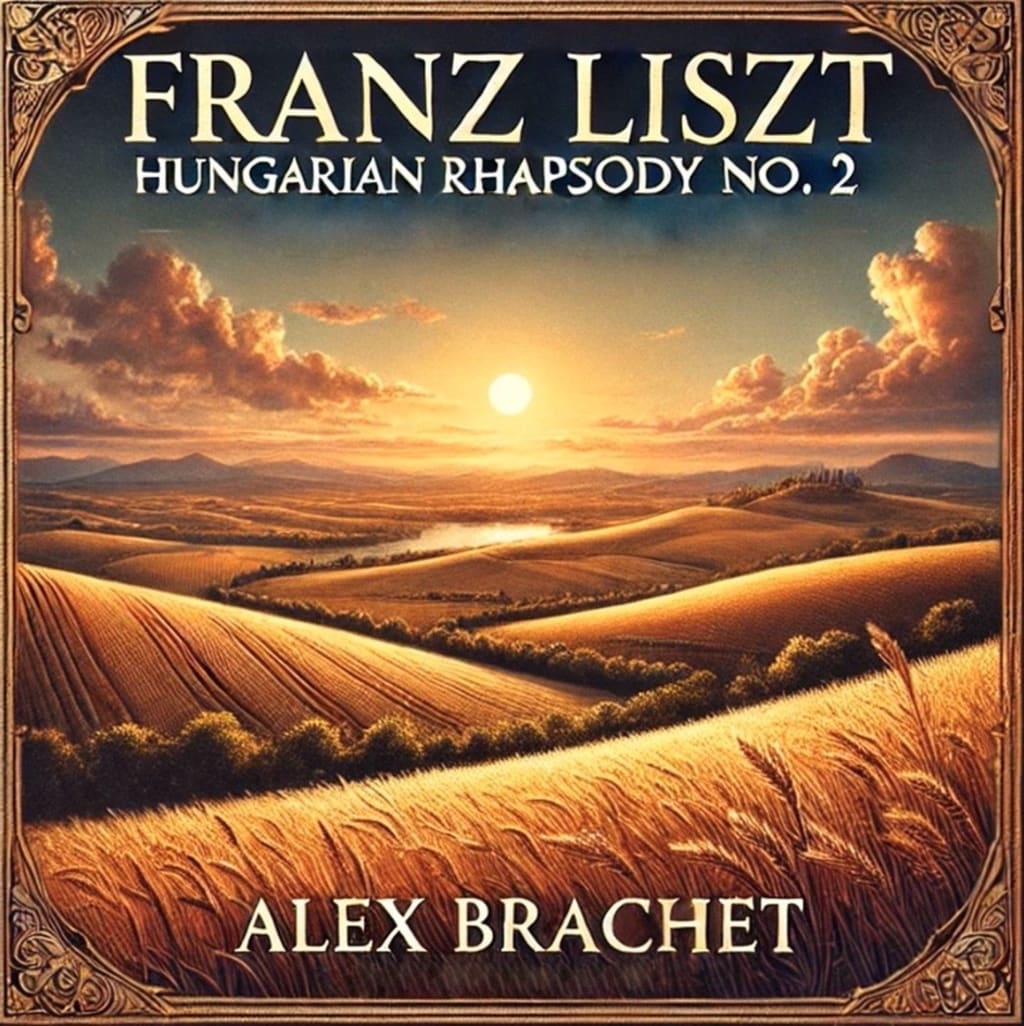
Hungarian Rhapsody No. 2 in C-sharp minor, S. 244/2, composed by Franz Liszt in 1847, remains one of the most renowned works in the piano repertoire. This rhapsody, with its dramatic shifts between fiery Hungarian folk themes and virtuosic flourishes, is often seen as a benchmark for any pianist’s technical skill and musical expression. It was popularized by performances from legendary pianists, including the immortal Vladimir Horowitz, who famously brought this rhapsody to life in his own way. Beyond its dazzling virtuosity, it has permeated popular culture, particularly through its iconic use in the famous Tom and Jerry cartoon, making it even more accessible to audiences beyond the concert hall.
Liszt’s Hungarian Rhapsody No. 2 is both a showcase of virtuosity and an expression of Hungarian nationalism. Its combination of folk melodies, unstoppable energy, and technical complexity demands not only quick fingers and agility but an innate understanding of the deep emotional currents running through the music. The piece’s often lighthearted themes, filled with rich ornamentation and sudden contrasts, alternate with moments of powerful intensity, creating a dramatic arc that is unparalleled.
A Youthful Mastery of Liszt’s Virtuosity
Alex Brachet’s interpretation of Hungarian Rhapsody No. 2 was recorded in his early twenties, capturing a time in his life when he was full of passion and energy. Despite his youth, Alex displays a mastery of Liszt’s technical demands, weaving the work’s complexities with the ease of a seasoned virtuoso. The piece’s sudden changes in tempo, dynamic range, and texture are balanced perfectly in his performance, showing an impressive technical command and emotional understanding.
The rapid staccato runs, exquisite trills, and arpeggios in the first section require an almost impossible speed, pushing both the pianist’s fingers and mind to the limit. Yet Alex’s performance retains a youthful exuberance and freshness that brings new life to the piece, making it sound as vibrant and daring as it did when Liszt first composed it.
As the rhapsody builds toward its tumultuous final moments, Alex’s dynamic control is striking. From the playful opening to the fiery coda, Alex’s interpretation brings a sense of clarity and purpose, letting the listener experience both the virtuosity and emotional depth of the music.
A Legacy that Continues to Awe
This recording, now streamed over 18,000 times on Spotify, showcases not only Alex’s technical skill but also his deep connection to this monumental work. His interpretation proves that Hungarian Rhapsody No. 2 is not just a piece for showmanship but a deeply emotional experience for both the pianist and the audience. From the sparkling opening theme to the thundering finale, this work retains its place as one of Liszt’s most loved and demanding compositions.
Whether enjoyed by a casual listener or a pianist in awe of Liszt’s profound technical demands, this rhapsody continues to captivate. It is not only a test of absolute mastery over the instrument but also an exquisite reflection of Liszt’s unparalleled genius. Alex’s performance of this iconic piece reminds us why Hungarian Rhapsody No. 2 remains one of the most beloved and frequently performed works in the piano world.
About the Creator
ZOFIA MAJEWSKA
Zofia Majewska is a Polish writer focused on classical music, sharing insights on piano works and emerging artists through reviews and articles.
Keep reading
More stories from ZOFIA MAJEWSKA and writers in Art and other communities.
Why Scriabin’s Étude Op. 8 No. 12 Still Amazes Pianists Today
Scriabin’s Étude Op. 8 No. 12 in D-sharp minor remains one of the most famous and evocative pieces in the pianist's repertoire. Known for its dramatic contrasts and emotional intensity, this étude is not just a technical challenge but a profound musical journey. It was made even more iconic by the legendary performances of Horowitz, whose interpretation set the standard for generations of pianists. Yet, beyond its sheer virtuosity, Scriabin’s work offers a world of nuance, emotion, and mystery — and it is this world that pianist Alex Brachet sought to explore in his unique rendition.
By ZOFIA MAJEWSKA9 months ago in Art
The Uncopiable Human Wit to Write
We all have been in that spot at least once in our schooldays where we have been wringing our brains off to curate written articles of some sort until our soul-less friends were born. At just four years old, our beloved soul-less, metallic, digital assistant who is always by our side when we turn on our computers and smart phones, will be doing much more than curating written content for us all, if you know what I mean.
By Sound Savvy5 days ago in Art


Comments