
Why I Don't Advise Anyone to Watch the Movie Hot Girls Wanted: A Critical Review
Why I Don't Advise Anyone to Watch the Movie Hot Girls Wanted: A Critical Review

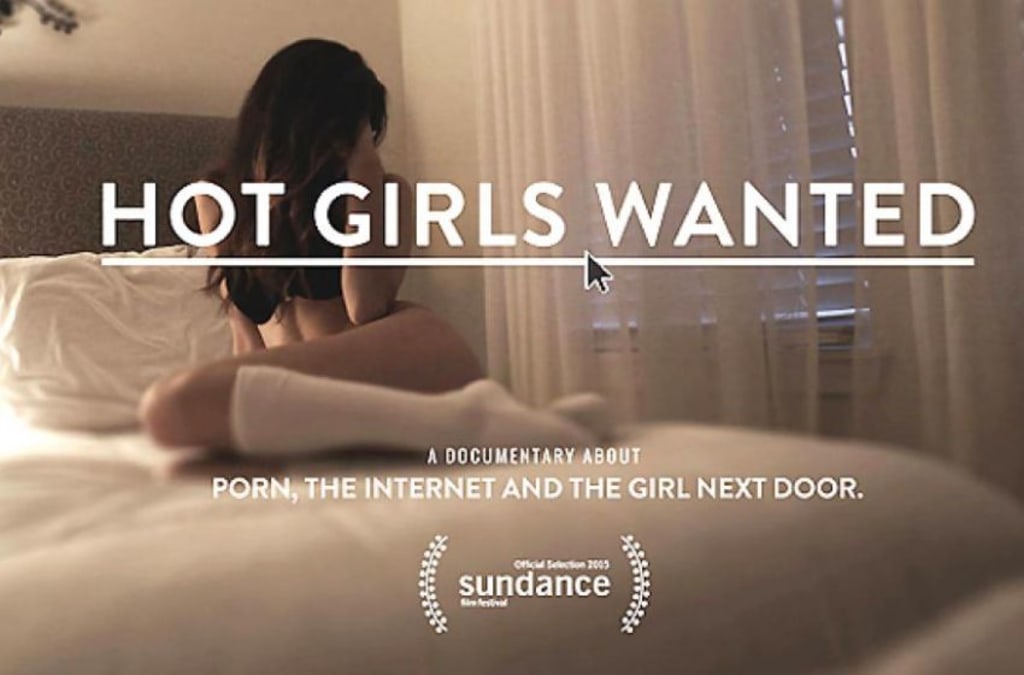
The film "Hot Girls Wanted" attempts to unveil the realities of amateur pornography, but it often misses the mark. Many viewers find that it fails to provide an accurate or responsible representation of its subject matter. Instead, it can sensationalize the harsh experiences of those involved, leading to misconceptions about the adult film industry.
The documentary portrays young women entering the world of adult entertainment, yet it glosses over the significant risks and emotional toll associated with such choices. This lack of depth and insight may leave audiences with a skewed perception of a complex issue, making it an unwise recommendation for those seeking a genuine understanding.
Moreover, the film's approach can inadvertently normalize an exploitative environment. This aspect raises ethical questions about its impact on viewers and potential repercussions for those already in vulnerable situations. Engaging with this content might do more harm than good for anyone genuinely interested in the topic.
Cultural Impact of 'Hot Girls Wanted'
The film "Hot Girls Wanted" raises significant concerns regarding its impact on societal norms and young viewers. It addresses the normalization of certain stereotypes and its potential influence on the perceptions and decisions of younger audiences.
Perpetuation of Stereotypes
"Hot Girls Wanted" reinforces damaging stereotypes about women, particularly in the context of adult entertainment. It presents a limited view of female agency, portraying women primarily as objects for consumption. The focus on youth and physical appearance contributes to a narrow definition of attractiveness, which can distort societal standards.
This portrayal can perpetuate harmful beliefs, such as valuing women exclusively for their looks. Such narratives not only affect individual women but also shape collective attitudes towards gender roles, encouraging a culture that prioritizes superficial judgments over personal qualities and achievements.
Influence on Young Audiences
The documentary targets a demographic that often includes impressionable young viewers. Many of these individuals may lack the critical frameworks to assess the film’s content fully. The portrayal of the adult industry can glamorize the pursuit of fame through questionable means.
Young audiences might perceive participation in such industries as appealing, underestimating the potential risks involved. By presenting a distorted view, "Hot Girls Wanted" can influence aspiring individuals to make choices based on a flawed understanding of the realities faced by many in the adult entertainment field.
Ethical Considerations in Documentary Filmmaking
Documentary filmmaking involves complex ethical dimensions, centered primarily on the rights and welfare of participants. Key considerations include informed consent and the responsibility filmmakers have towards the individuals featured in their work.
Subject Consent and Autonomy
Informed consent is a fundamental principle in documentary filmmaking. Filmmakers must ensure that participants fully understand what their involvement entails. This includes clarity on how their stories will be used and the potential impact of the film on their lives.
Consent should be clear, voluntary, and revocable. Participants must feel empowered to withdraw their consent at any point. This respects their autonomy and acknowledges their personal agency, which is especially crucial in sensitive topics like those explored in "Hot Girls Wanted."
Documentarians must also consider the vulnerability of their subjects. Many participants may be in compromising situations, which can influence their decision-making. Proper ethical practice requires sensitivity in these scenarios.
Responsibility Towards Participants
Beyond obtaining consent, filmmakers have a duty of care towards their subjects. This encompasses protecting participants' dignity and providing appropriate support during and after filming.
Filmmakers should consider the potential consequences of their portrayal. Misrepresentation or exploitation can have lasting effects on individuals’ mental health and public perception. Ethical filmmakers approach sensitive material with care and nuance.
Additionally, maintaining open communication with participants helps address their concerns. This ongoing dialogue can foster trust and ensure participants feel respected throughout the filmmaking process.
Ethical responsibility also extends to audience reception; filmmakers should anticipate how audiences may interpret the content and the implications for those depicted.
Analyzing the Narrative and Direction
This section explores how the narrative structure and directorial choices impact the film’s message. It examines the use of documentary techniques and storytelling methods that shape viewer perception and engagement.
Documentary Techniques and Bias
The documentary employs a mix of observational and participatory techniques, which influence how the subjects are portrayed. Interviews with the young women provide personal insights, yet the editing often emphasizes sensational aspects of their stories.
This focus can create an emotional response that may overshadow more nuanced discussions about the industry. Critics argue that this approach introduces bias, rendering the documentary less informative and more exploitative. The lack of diverse perspectives from industry insiders adds to the one-dimensional representation.
Storytelling and Viewer Engagement
The film's narrative arc revolves around the personal experiences of several women, making it relatable yet constrained. By centering on individual stories, it risks losing sight of broader societal issues affecting the adult film industry.
Viewer engagement relies heavily on the emotional weight of these stories, potentially leading to sensationalism. The approach can alienate segments of the audience looking for a deeper understanding. While the intention may be to provoke thought, it often falls short by not addressing systemic factors adequately.
Potential Harm and Misrepresentation
The portrayal of individuals and the broader industry in Hot Girls Wanted raises significant concerns. Misrepresentation can lead to harmful effects on personal reputations, while also shaping public perception of the adult entertainment industry.
Effects on Individuals' Reputations
The film ( full movie here in ishahid site ) sensationalizes the lives of young women involved in adult entertainment. By framing their experiences through a narrow lens, it often overlooks the complexities of their choices.
This lack of depth can result in lasting damage to their personal and professional reputations.
Consequences may include:
Stigmatization: Public perception can lead to social ostracism.
Limited Opportunities: The film's narrative can hinder future job prospects in various fields.
Women portrayed may face unjust assumptions about their character, which can persist long after the release of the film.
Wider Implications on Industry Perception
Hot Girls Wanted contributes to a skewed view of the adult industry. The focus on sensational aspects oversimplifies the realities faced by those within it.
Such portrayals can influence public opinion, leading to misconceptions that affect industry workers.
Key Misconceptions include:
The idea that all participants are exploited or lack agency.
The belief that those in the industry choose this path purely for financial gain without considering personal circumstances or motivations.
These perceptions can discourage meaningful dialogue and lead to policies that do not reflect the complexities of individuals’ experiences. The impact extends beyond the film, shaping societal attitudes towards adult entertainment as a whole.
About the Creator
oussama achouri
I am Oussama, a passionate video editor with extensive experience , my website called quick net tools
Keep reading
More stories from oussama achouri and writers in Art and other communities.
Why the Fear 1996 Is So Good: An In-Depth Analysis of Its Impact and Excellence
"Fear" (1996) stands out as a gripping thriller that effectively captures the complexities of obsession and manipulation. At its core, the film excels due to its nuanced performances, particularly by Mark Wahlberg and Reese Witherspoon, who embody the tension between safety and danger. This dynamic draws viewers into a storyline that explores the intricacies of relationships, trust, and the darker sides of love.
By oussama achouriabout a year ago in Art
Why Strategic Branding Is Essential for Long-Term Business Growth
In today’s fast-paced digital environment, businesses face constant pressure to stand out. Consumers are exposed to endless choices every day, making attention harder to earn and trust harder to keep. While quality products and services are important, they are no longer the only factors that determine success. Strategic branding plays a key role in helping businesses grow steadily and remain relevant over time.
By Ayush Bagwari4 days ago in Art
Ida shaghoian and the Inner Geography of Painting
In contemporary painting, the most compelling work often resists easy definition. It lingers, unfolds, and asks the viewer to participate emotionally rather than observe from a distance. Ida shaghoian belongs to this tradition. Her paintings explore the fluid relationship between memory, feeling, and the natural world, creating spaces that feel both deeply personal and widely resonant. Through a refined balance of abstraction and suggestion, her work challenges conventional ideas of place, time, and perception.
By Ida Shaghoian5 days ago in Art


Comments (2)
Excellent one ,but I'll watch
Nice article