
Which Design Elements Characterize Baroque Art and Architecture?
Baroque Art and Architecture

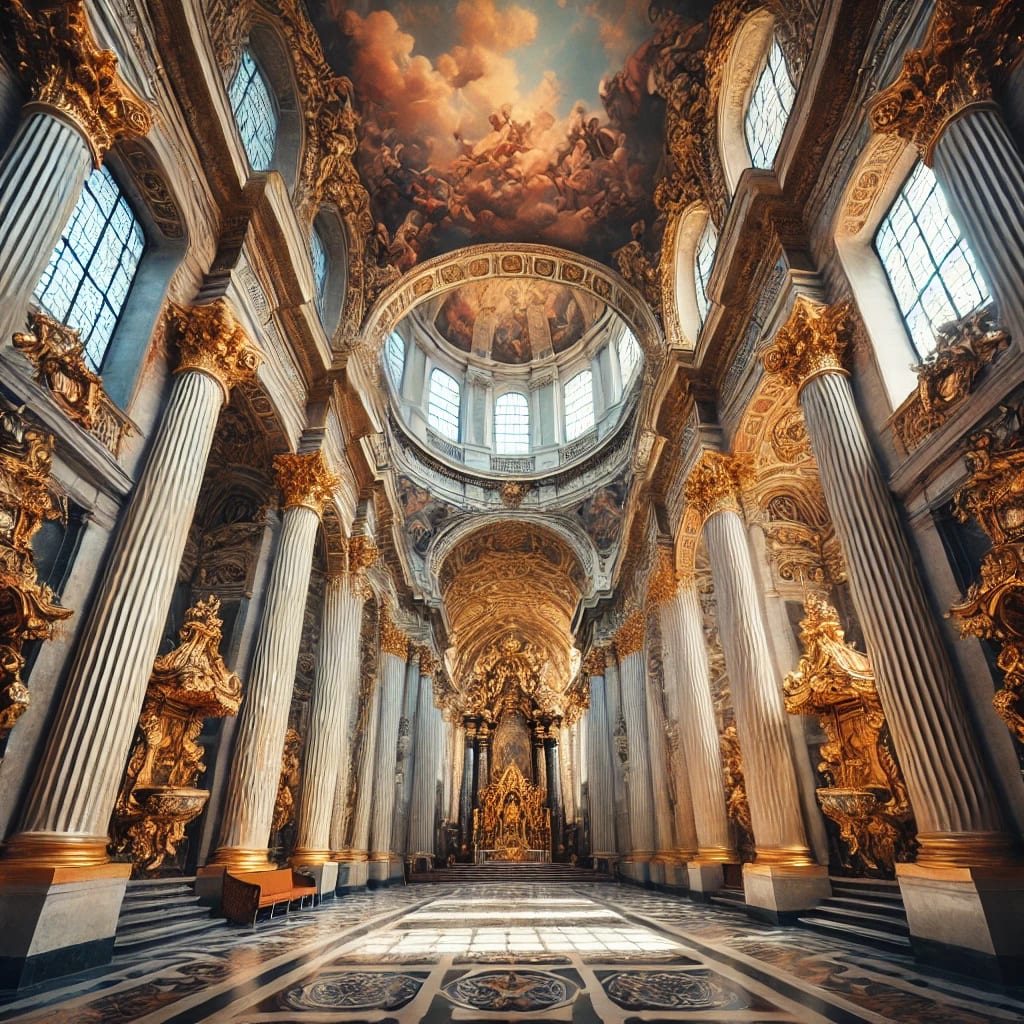
Baroque art and architecture emerged in the early 17th century and continued into the 18th century, leaving an indelible mark on the artistic and cultural landscape of Europe. This style developed as a response to the Renaissance and Mannerism, focusing on grandeur, movement, and emotional intensity. The Catholic Church, European monarchies, and aristocrats played significant roles in promoting this style to showcase power, divinity, and artistic superiority. This article explores the defining design elements of Baroque art and architecture, analyzing the key characteristics that distinguish it from other styles.
1. Grandeur and Ornateness
One of the most prominent features of Baroque design is its grandeur. Baroque artists and architects prioritized drama, theatricality, and opulence. They embraced elaborate decorations, bold color contrasts, and extravagant details that captured the viewer’s attention. Whether in painting, sculpture, or architecture, the emphasis was always on excess and splendor.
1.1. Highly Decorative Interiors
Baroque interiors were highly decorative, featuring intricate carvings, gilded elements, and frescoed ceilings. Churches, palaces, and grand halls were adorned with rich textures, stucco work, and tapestries to create an overwhelming sense of luxury and magnificence.
1.2. Use of Gold and Marble
Gold leafing and expensive marbles were common in Baroque buildings. Architects used these materials to enhance the dramatic and luxurious appeal of structures. The extensive use of gold symbolized divine power and wealth, making Baroque art synonymous with affluence.
2. Dramatic Use of Light and Shadow (Chiaroscuro)
Chiaroscuro, the technique of using light and shadow to create contrast, played a crucial role in Baroque art. Artists like Caravaggio mastered this technique, making their paintings appear three-dimensional and lifelike. Architects applied similar principles to interiors by incorporating natural light through large windows and strategically placed openings.
2.1. Theatrical Lighting Effects
Baroque painters and sculptors emphasized contrasts between deep shadows and bright highlights, giving the artwork a sense of depth and movement. Dramatic illumination in churches and palaces created a celestial ambiance that enhanced religious or royal themes.
2.2. Light as a Symbolic Element
In religious Baroque art, light symbolized divinity and enlightenment. Paintings often depicted figures bathed in divine light, representing a heavenly presence and drawing emotional responses from viewers.
3. Movement and Dynamism
Baroque art and architecture broke away from the static nature of Renaissance compositions. Instead of symmetry and balance, artists favored movement and energy, often creating compositions that guided the viewer’s eye dynamically through the scene.
3.1. Curved Lines and Twisting Forms
Baroque paintings and sculptures featured swirling, twisting figures that conveyed intense motion. Drapery, hair, and gestures were exaggerated to enhance the sense of activity and liveliness.
3.2. Spiral Columns and Undulating Walls
In architecture, curved lines and undulating facades replaced the strict symmetry of previous styles. Churches like St. Peter’s Basilica in Rome exhibit these elements, where spiral columns and irregularly shaped structures create a sense of movement.
4. Emotional Intensity and Realism
Baroque artists aimed to evoke strong emotions in viewers. They achieved this through dramatic expressions, realistic portrayals, and vivid storytelling.
4.1. Exaggerated Facial Expressions
Paintings and sculptures depicted figures with highly expressive faces, conveying emotions like ecstasy, sorrow, or devotion. This intensified the impact of religious and mythological narratives.
4.2. Realistic Human Figures
Unlike the idealized figures of the Renaissance, Baroque artists portrayed human anatomy more realistically, often emphasizing the imperfections and raw emotions of their subjects.
5. Grand Scale and Monumentality
Baroque architecture was grand in scale, with enormous churches, palaces, and public buildings designed to impress and overwhelm visitors.
5.1. Massive Domes and Vaults
Large domes and barrel vaults were common in Baroque churches, creating a sense of divine grandeur. St. Paul’s Cathedral in London and St. Peter’s Basilica in Rome showcase this element magnificently.
5.2. Expansive Frescoes and Ceilings
Ceiling frescoes extended the grandeur of Baroque spaces, often depicting heavenly scenes that created an illusion of infinite space. Gian Lorenzo Bernini’s designs in the Vatican exemplify this technique.
6. Illusionism and Perspective
Baroque artists mastered the use of perspective to create illusions of space and depth. Trompe-l’œil (trick of the eye) paintings were commonly used on ceilings and walls to give the illusion of three-dimensionality.
6.1. Quadratura Painting
Quadratura was a technique used to paint architectural details that seamlessly blended with real architecture, making walls and ceilings appear as though they extended infinitely.
6.2. Forced Perspective in Architecture
Architects designed buildings and urban spaces using forced perspective, where certain elements appeared larger or smaller depending on the viewer’s vantage point, creating dynamic visual effects.
7. Integration of Art, Architecture, and Sculpture
Baroque art did not exist in isolation. Instead, paintings, sculptures, and architecture were integrated to form a unified, immersive experience.
7.1. Sculptural Facades and Interiors
Buildings were adorned with intricate sculptures that complemented the architecture. Churches and palaces featured sculptural altars, pulpit designs, and dramatic facades.
7.2. Painted and Sculpted Ceilings
Ceiling paintings often merged with actual sculptural elements, blurring the line between two-dimensional and three-dimensional art.
8. Theatricality and Spectacle
Baroque art and architecture were designed to captivate and amaze. Whether through elaborate stage designs, monumental frescoes, or grand altarpieces, the goal was to engage the viewer on a sensory and emotional level.
8.1. Operatic and Dramatic Scenes
Baroque paintings and sculptures often resembled grand theatrical performances, with figures caught in moments of action and emotion.
8.2. Public Squares and Fountains
Urban planning during the Baroque era included vast public squares, often adorned with monumental fountains, such as the Trevi Fountain in Rome, which enhanced the dramatic urban experience.
Conclusion
Baroque art and architecture stand out due to their grandeur, drama, and emotional intensity. The movement’s defining features—ornateness, movement, dynamic lighting, realism, and large-scale compositions—created an immersive and theatrical experience. Whether through the works of Caravaggio, Bernini, or Borromini, Baroque artists left behind a legacy of artistic innovation that continues to inspire awe. This style remains a symbol of power, divinity, and artistic mastery, shaping the cultural heritage of many nations.
About the Creator
Andrew Taylor
Andrew Taylor is a skilled content writer with expertise in SEO blogs and brand storytelling. He made engaging, impactful content tailored to diverse audiences across industries, ensuring meaningful connections and driving great results.
Keep reading
More stories from Andrew Taylor and writers in Art and other communities.
Top 5 Free Tools to Help You Draw Dogs Like a Pro
Drawing dogs is an exciting and fun way to express your creativity, but using the right tools can help you create professional-quality sketches and illustrations. Thankfully, there are plenty of free digital drawing platforms available that offer easy-to-use interfaces and a wide array of features to help you master dog drawing, regardless of your skill level.
By Andrew Taylorabout a year ago in Art
Why 316 stainless steel sculpture is the gold standard for coastal sculptures
If stainless steel sculptures are installed in coastal environments, corrosion caused by sea breezes becomes an important issue to consider. Salt in the air, high humidity, and frequent temperature changes can all accelerate surface deterioration if the material or finish is not suitable.
By Shenzhen Ruiheng Crafts4 days ago in Art
Wild Card Weekend Recap: What Happens Now?
I think I figured out why I love Wild Card Weekend so much. It's because it's the first playoff anything of the calendar year. The NFL season starts in the fall, and once upon a time, the champion was crowned either on or slightly before New Year's. The evolution of the NFL schedule has resulted in the playoffs starting just into the New Year, and currently, the final week of the season falls on the first weekend of the New Year, with Wild Card Weekend coming a week after that. So yes, chronologically, the NFL's Wild Card Weekend serves as the first playoff anything of the calendar year.
By Clyde E. Dawkins5 days ago in Unbalanced



Comments
There are no comments for this story
Be the first to respond and start the conversation.