
When Art Becomes a Shared Experience: Inside Kate Van Doren’s Community-Based Exhibition
Exploring how collaborative visual storytelling connects culture, empathy, and contemporary art

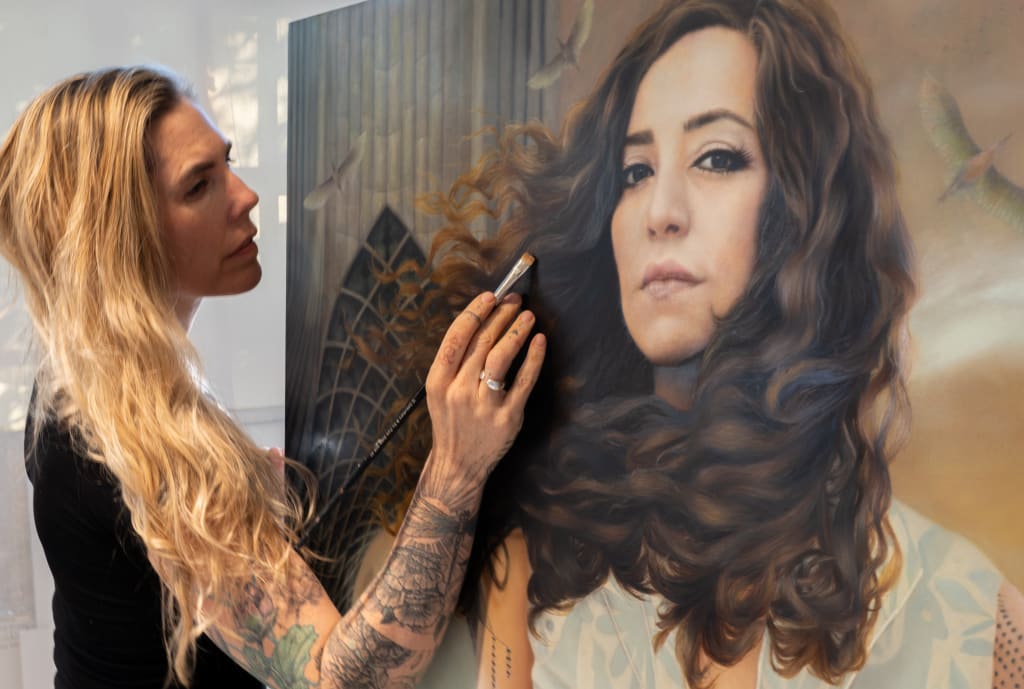
Art is often experienced quietly and individually. Visitors move through galleries, observe framed works, and form personal interpretations before moving on. However, some exhibitions invite a different kind of participation one that centers shared stories and collective reflection rather than isolated viewing. A recent example of this approach can be found in the work of contemporary artist Kate Van Doren and her ongoing Healing Words Project.
The project brings together photography, painting, and drawing to document personal narratives contributed by women and marginalized voices. Instead of focusing only on visual technique, the work emphasizes collaboration and dialogue. Each piece is created through conversation and mutual understanding, allowing participants to influence how their experiences are visually represented. This process challenges traditional boundaries between artist and subject by creating space for shared authorship.

The upcoming three-room exhibition at the Museum of Contemporary Art Querétaro presents a rare opportunity to view a large portion of this body of work in one place. The exhibition gathers artworks that were created over several years and across different regions. Many of these pieces are on loan from private collections, making the exhibition a temporary reunion of works that will later return to separate locations. This aspect gives the event historical value, transforming it into a moment of collective preservation.
What makes the exhibition particularly relevant is its connection to International Women’s Month. Opening during this period places the artwork within a broader cultural conversation about visibility, representation, and social participation. Rather than framing the exhibition as a celebration alone, the timing encourages reflection on how art can contribute to awareness and understanding.
The city of San Miguel de Allende holds a meaningful place in the development of the Healing Words Project. Since its early stages, the project has included collaborations with members of the local community alongside participants from other countries. This blend of local and international perspectives highlights the universal themes present in the work. While cultural backgrounds may differ, many participants share similar experiences of growth, resilience, and self-discovery.
The exhibition venue adds another layer of meaning. The Museum of Contemporary Art Querétaro is housed in a historic building dating back centuries. This setting creates a visual contrast between contemporary artwork and traditional architecture. Visitors encounter modern narratives within a space shaped by history, encouraging reflection on how stories evolve while human emotions remain deeply connected across generations.

Kate Van Doren’s interdisciplinary background also influences the project’s structure. With formal training in fine art and psychology, her approach places strong emphasis on ethical engagement and emotional awareness. Rather than treating participants as anonymous figures, she works to create respectful collaborations that prioritize personal agency and storytelling. This method reflects a broader movement within contemporary art that values process as much as outcome.
The exhibition itself is designed to be immersive. By presenting paintings, drawings, and hundreds of photographic works together, the display creates a layered visual experience. Viewers move through interconnected rooms rather than isolated sections, allowing the narratives to build gradually. This format encourages visitors to slow down and engage more deeply with the material rather than rushing through individual pieces.
Beyond the physical exhibition, the Healing Words Project raises important questions about the role of artists in society. Should art exist only as decoration or investment, or can it serve as a tool for dialogue and connection? Projects centered on collaboration suggest that creative spaces can function as platforms for listening and understanding. In this way, the artist becomes not only a creator but also a facilitator of shared expression.
Another important aspect of the project is accessibility. By organizing transportation options and encouraging community attendance, the exhibition aims to welcome a broad audience rather than limiting participation to established art circles. This inclusive approach reflects the project’s central philosophy: art should be experienced by the communities whose stories it represents.

For many visitors, the exhibition may offer more than visual appreciation. It provides an opportunity to reflect on personal experiences and the ways individual stories connect to larger cultural patterns. By presenting real narratives through visual form, the exhibition encourages empathy without prescribing specific interpretations.
As contemporary art continues to evolve, projects rooted in collaboration and community engagement may play an increasingly important role. The Healing Words Project demonstrates how visual storytelling can move beyond individual expression and become a shared cultural experience.
In the end, this exhibition is not only about showcasing artwork. It is about creating space for voices, fostering conversation, and reminding audiences that art has the potential to connect people across backgrounds, languages, and borders. When creativity becomes a shared experience, it transforms from something observed into something lived.
About the Creator
In the Name of Allah
Ahmad Raza was a children’s author who specialized in mystery and detective stories. His tales were filled with suspense and wonder, captivating readers of all ages. At home, besides him, only one trustworthy servant, Akram, managed the household. Ahmad Raza’s wife had passed away years ago, and their only son, a doctor, lived in the United Kingdom.
By Sudais Zakwana day ago in Art
Essence, Embodiment, and Relational Reality
The Failure of Reduction and the Need for Synthesis There is a persistent failure in many modern attempts to explain what a human being is. Some frameworks reduce the person entirely to matter, insisting that identity, consciousness, morality, and meaning are nothing more than emergent properties of physical processes. Other frameworks move in the opposite direction, detaching spirit from reason and grounding belief in intuition alone, often at the cost of coherence or accountability. Both approaches fail because both misunderstand essence. One denies that essence exists at all. The other treats it as something vague and undefinable.
By Peter Thwing - Host of the FST Podcastabout 16 hours ago in Art

Comments
There are no comments for this story
Be the first to respond and start the conversation.