
When and How to Ice an Injury Using Disposable Instant Cold Packs
Injuries can happen anytime—during a workout, while playing sports, or even from a simple slip at home.

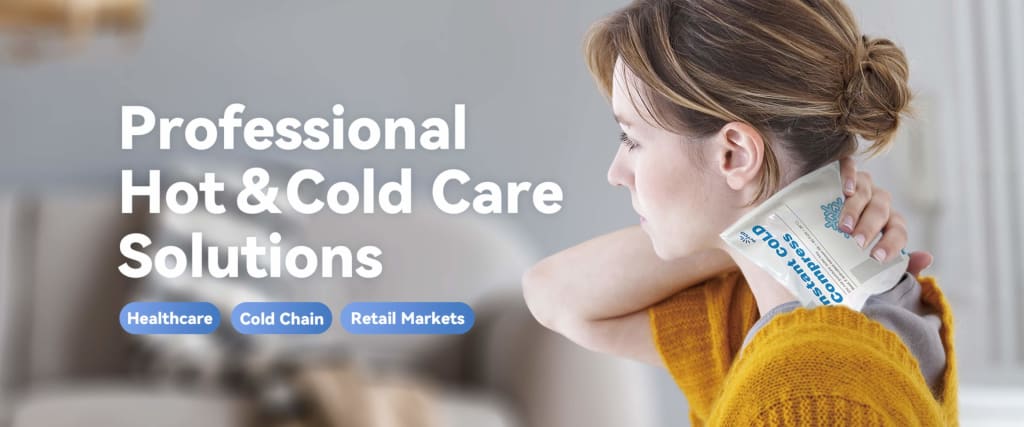
What Are Disposable Instant Cold Packs?
Disposable instant cold packs are single-use cold therapy products designed to provide immediate relief without the need for refrigeration. These packs consist of two compartments: one containing water and the other filled with ammonium nitrate or urea. When the pack is squeezed, the internal barrier breaks, causing an endothermic chemical reaction that rapidly cools the contents. Within seconds, the pack becomes cold and ready for use.
This makes them ideal for situations where access to ice or a freezer is not possible—such as during travel, sports, or in workplace first aid kits.
When to Use a Disposable Cold Pack
Cold therapy is most effective within the first 24 to 48 hours after an injury occurs. This period, known as the acute phase, is when inflammation and swelling are at their peak. Applying a disposable ice pack during this time can:
Reduce blood flow to the area, minimizing swelling
Numb nerve endings to reduce pain
Limit internal bleeding and tissue damage
Common Injuries Treated with Instant Cold Packs
Sprains and strains (ankles, wrists, knees)
Bruises and contusions
Muscle aches or spasms
Minor burns or insect bites
Post-surgical swelling
Joint inflammation (such as in arthritis flare-ups)
If you’re dealing with an injury that causes pain and visible swelling, an instant cold pack is often a safe and effective first step before seeking medical attention.
How to Use a Disposable Instant Cold Pack
Using a disposable cold pack is simple, but proper technique is essential for safety and effectiveness. Follow these steps:
Step 1: Activate the Pack
Locate the inner liquid pouch and firmly squeeze or strike the pack to rupture it. Shake the pack to mix the contents evenly until it feels cold.
Step 2: Apply to the Affected Area
Wrap the cold pack in a thin cloth or towel to prevent direct skin contact. This helps avoid cold burns or frostbite.
Apply the pack to the injured area for 15–20 minutes.
Step 3: Repeat as Needed
Use the cold pack every 2 to 3 hours for the first 24–48 hours post-injury. Avoid prolonged exposure in a single session.
Safety Tips and Precautions
While disposable cold packs are generally safe, they should be used with care:
Never apply directly to bare skin
This can cause frostbite or skin irritation. Always use a cloth barrier.
Do not puncture the pack
The chemical contents are not toxic but can irritate the skin or eyes if released.
Not suitable for certain conditions
Avoid cold therapy if you have poor circulation, Raynaud's disease, or hypersensitivity to cold.
Do not reuse
These packs are designed for single-use only. Once the chemical reaction ends, the pack is no longer effective.
Why Choose Disposable Over Reusable Cold Packs?
While reusable gel packs are ideal for home use, disposable cold packs offer unique advantages:
No need for refrigeration
Lightweight and portable
Instant cooling on demand
Great for emergency kits, first responders, and outdoor use
Hygienic single-use reduces contamination risk
Whether you’re a coach, parent, traveler, or health professional, disposable cold packs are an excellent addition to your first aid supplies.
Final Thoughts: Be Ready for the Unexpected
Accidents are unpredictable, but your response doesn’t have to be. Knowing when and how to ice an injury using disposable instant cold packs ensures you’re prepared to act fast when it matters most. These compact, easy-to-use cold packs are a must-have for anyone who values immediate care and recovery.
INTCO Medical offers high-quality, medical-grade disposable cold packs trusted by professionals around the world. Our cold packs are safe, easy to activate, and designed for maximum convenience—anytime, anywhere.
Explore our full range of cold therapy products today and be prepared for whatever life throws your way.
About the Creator
Leah Brave
yeah!! leah!!
Keep reading
More stories from Leah Brave and writers in Art and other communities.
Snow Vein
He woke again because of the cold touch on his neck. Morning light seeped through the cracks in the warped glass window, fragile and pale, casting a silver shimmer across the sweat glistening on his brow. His name was Samuel Evans, once a celebrated architect of northern libraries and winter sanctuaries, now a quiet recluse in a southern town slowly being devoured by the sun.
By Leah Brave9 months ago in Art
The River and the Drops
High in the mountains, where no one watched and no one applauded, tiny drops of water slipped from melting snow. Each drop was small, almost invisible, and carried a quiet fear within itself. They began their journey without knowing where they were going, only knowing that they were moving away from where they began.
By Sudais Zakwan5 days ago in Art
Center Stage with Paul Stewart
*** I'm keen to republish the interviews I did for my series with Vocal creators. It's been a few years and I thought it might be nice to revisit these wonderful conversations. I'll be releasing them one at a time for a few weeks/months.
By Heather Hubler2 days ago in Interview




Comments
There are no comments for this story
Be the first to respond and start the conversation.