
Wheels of Color: The Vibrant Tradition of Bangladesh’s Rickshaw Art
UNESCO to list Bangladeshi rickshaw art as ‘intangible heritage’

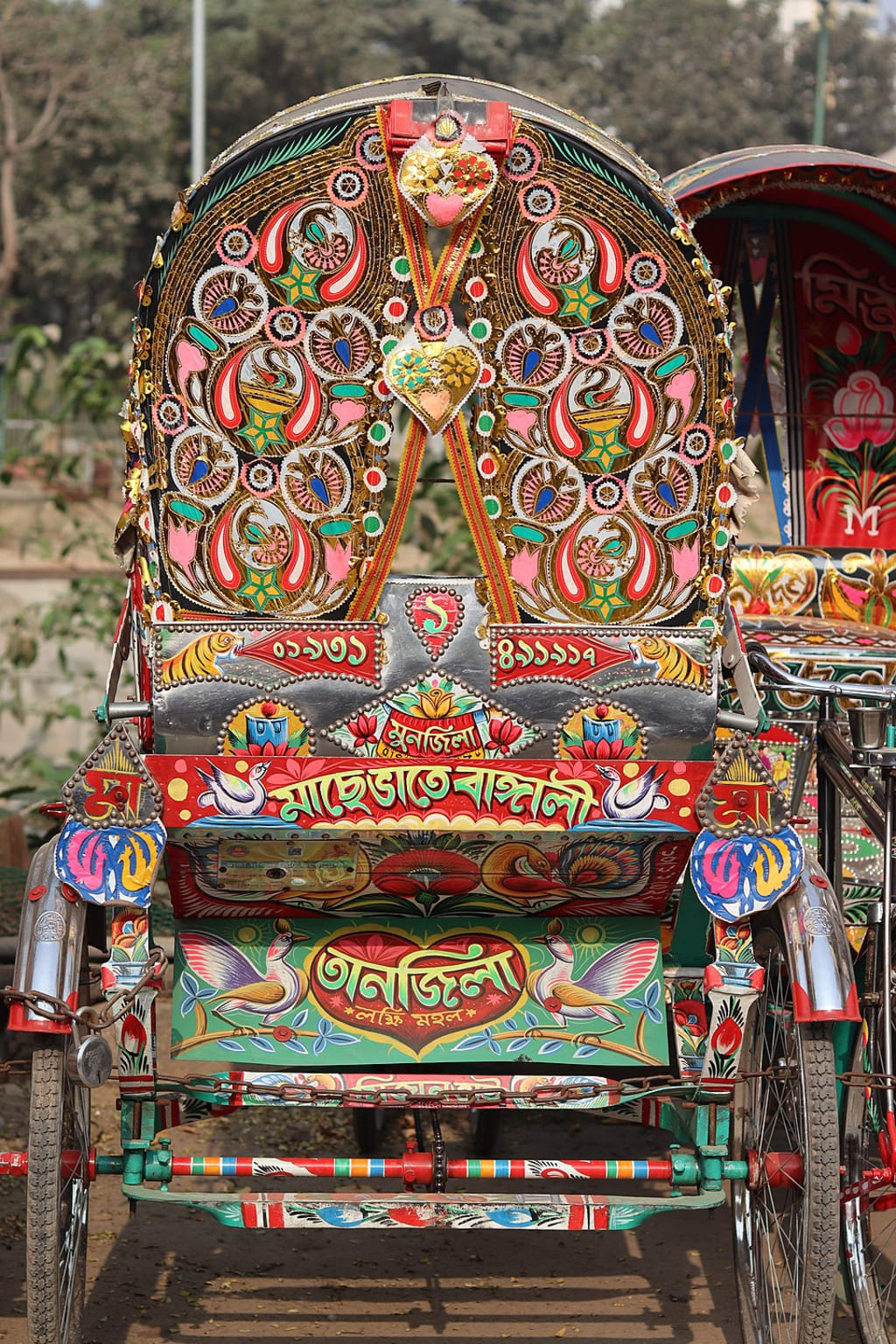
Bangladesh, a country rich in culture and creativity, is home to one of the most unique and colorful folk art traditions in South Asia—rickshaw art. Found on the three-wheeled cycle rickshaws that crowd the streets of Dhaka, Chattogram, and other cities, this mobile artwork transforms ordinary vehicles into vibrant canvases that tell stories, evoke emotions, and reflect the soul of the nation. Rickshaw art is not just a decorative form of expression; it is a cultural statement, a voice of the urban poor, and an emblem of the country’s creative resilience.
Origins and Evolution
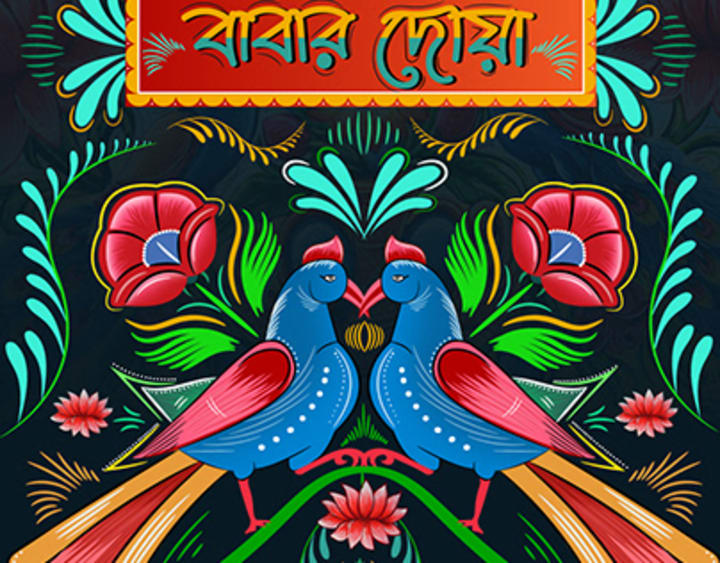
The history of rickshaw art in Bangladesh dates back to the 1950s and 1960s, soon after rickshaws were introduced to the country during the British colonial era. At first, the rickshaws were plain and functional. But as competition increased, rickshaw pullers and owners began to decorate their vehicles to attract passengers. What began as simple floral patterns or scenic landscapes evolved into an elaborate art form, characterized by bold colors, fantastical scenes, religious motifs, and portraits of film stars.
By the 1980s and 1990s, rickshaw art had reached its golden age. The back plates, hoods, and side panels of rickshaws became showcases of artistic ingenuity. Artists worked with enamel paints and tin sheets, often without formal training, using brushes, stencils, and their own creative instincts. Their designs were loud and joyous—tigers flying planes, Bollywood heroines with wide eyes, or idealized rural scenes with boats, trees, and birds in motion.
Themes and Motifs
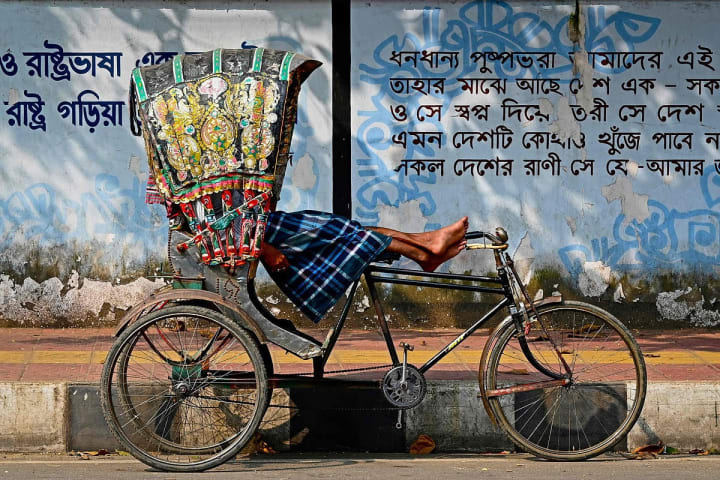
Rickshaw art thrives on exaggeration and fantasy. It draws from a variety of sources: local folklore, political events, religious iconography, nature, and cinema. The most common theme, perhaps, is escapism. Life for many rickshaw pullers and passengers is full of struggle, and the art offers a temporary journey into a brighter, more magical world.
Portraits of film stars—particularly from Dhallywood and Bollywood—are extremely popular. These glamorous figures become larger-than-life guardians on the road. Some rickshaws feature heroic scenes from historical battles, while others show idyllic village life, often idealized with golden sunsets, lush greenery, and peaceful rivers.
Religious imagery is also common. Islamic calligraphy, depictions of mosques, or symbolic elements like the crescent moon and stars offer spiritual protection. Occasionally, political commentary also finds its way onto rickshaws, with slogans or symbols from liberation movements or contemporary campaigns.
Artists and Their Role
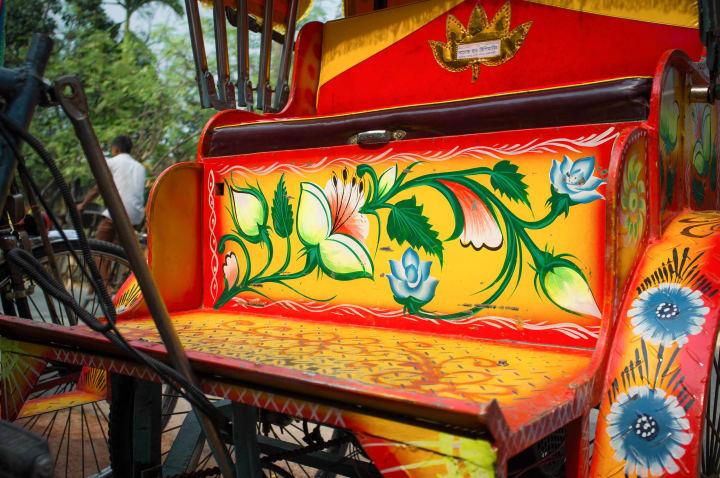
Rickshaw artists are often anonymous, unrecognized in mainstream art circles, yet they are essential to the cultural fabric of the nation. Most of them come from working-class backgrounds, receiving no formal training. They work in small workshops, often under difficult financial conditions, driven more by passion than profit.
Despite the lack of institutional support, their art is incredibly sophisticated in terms of composition, use of color, and thematic richness. Each piece is done by hand and is unique. Over the years, some rickshaw artists have gained a cult following, and their work has even been exhibited in international galleries and museums.
Challenges and Decline
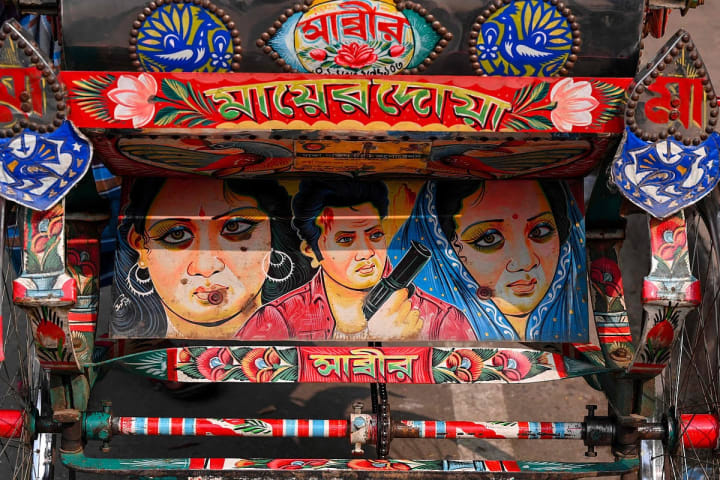
Despite its cultural significance, rickshawrt in Bangladesh has been declining. The rise of battery-powered auto-rickshaws, stricter traffic regulations, and modernization have all contributed to its fading presence. Many cities have imposed restrictions on rickshaws, viewing them as outdated or obstacles to traffic management. As a result, fewer people invest in decorative rickshaws, and fewer artists are able to sustain their craft.
Additionally, mass-produced stickers and printed decals have replaced hand-painted designs in many places, threatening the authenticity of this folk art form. While cheaper and quicker to apply, these replacements lack the originality and spirit of traditional rickshaw art.
Cultural Legacy and Preservation
In recent years, there have been renewed efforts to preserve and celebrate rickshaw art. Local NGOs, artists, and cultural organizations have started to document and promote this unique tradition. Exhibitions, photo books, and documentaries have helped draw attention to the art and its creators.
Some designers have even adapted rickshaw art into fashion, interior design, and advertising, giving it new relevance in a modern context. Tourists and urban youth are showing increased interest, purchasing miniature rickshaws or printed canvases as souvenirs and décor
Conclusion
Rickshaw art is more than just decoration—it is a mirror of Bangladeshi society, reflecting its dreams, challenges, humor, and hope. It tells the stories of a people who, despite hardship, continue to create beauty in motion. In a rapidly changing world, the preservation of this folk tradition is not only an act of cultural memory but also a celebration of the spirit of creativity that defines Bangladesh. If nurtured, rickshaw art can continue to roll down the streets not just as a mode of transport, but as a moving masterpiece of human imagination.
About the Creator
Riham Rahman
Writer, History analyzer, South Asian geo-politics analyst, Bengali culture researcher
Aspiring writer and student with a deep curiosity for history, science, and South Asian geopolitics and Bengali culture.
Asp
Keep reading
More stories from Riham Rahman and writers in Art and other communities.
Potchitra of Bengal: A Canvas of Tradition and Storytelling
For over two and a half millennia, Potchitra has been intertwined with the soul of the Indian subcontinent — a canvas where myth, devotion, protest, and pedagogy dance in vibrant colors. More than mere decoration, it has served as sacred expression, an educational medium, and a mirror to societal change. This ancient form of art, deeply woven into the cultural fabric of Bengal, is not just painted — it is performed, sung, lived.
By Riham Rahman 9 months ago in Art
The Best Philosophy in the World Is the One You Can Live
Ask ten philosophers what the best philosophy in the world is, and you will receive at least ten different answers—possibly delivered with footnotes, counterarguments, and mild contempt for the other nine. This disagreement is not a flaw of philosophy; it is its essence. Philosophy was never meant to be a universal prescription handed down like a rulebook. It exists to help human beings live better lives. By that standard, the best philosophy in the world is not the most elegant or complex—it is the one that can be lived.
By Fred Bradford4 days ago in Art




Comments
There are no comments for this story
Be the first to respond and start the conversation.