
Wheat sprouts are often hailed as a divine gift,
revered for their remarkable health benefits and medicinal properties that have captivated health enthusiasts around the globe. These tiny green shoots, bursting with vitality, encapsulate the essence of nature’s bounty and serve as a potent reminder of how the simplest foods can offer profound wellness advantages.


Wheat sprouts are often hailed as a divine gift,
revered for their remarkable health benefits and medicinal properties that have captivated health enthusiasts around the globe. These tiny green shoots, bursting with vitality, encapsulate the essence of nature’s bounty and serve as a potent reminder of how the simplest foods can offer profound wellness advantages.
To embark on your journey of growing wheat sprouts, you’ll need a modest clay pot, ideally measuring between 6 to 8 inches in diameter. Fill this vessel with 7 to 28 grams of clean, chemical-free black soil, ensuring a nurturing environment for your seeds. The beauty of sprouting wheat lies in its simplicity; you may sow the seeds in one, two, or even three pots each day, depending on your desire for a continuous supply of fresh sprouts. In a matter of days—typically between 6 to 10—you will witness the miraculous transformation as the sprouts reach a height of 5 to 7 inches, a stage at which they are packed with the most beneficial nutrients.
When the time comes to harvest your sprouts, the process is both satisfying and straightforward. Using a pair of scissors, gently cut the sprouts just above the soil line, or if you prefer, you can carefully pull them out by their roots. The beauty of this method lies in its sustainability; you can re-sow the wheat in the same pot, ensuring the soil is adequately covered and prepared for optimal growth. This cyclical approach not only maximizes your yield but also fosters a deeper connection with the natural world.
After harvesting, it’s essential to wash the sprouts thoroughly to remove any soil or impurities. The next step is to unlock their full potential by extracting the juice. You can accomplish this by grinding the sprouts and then squeezing the pulp through a cloth, or utilizing a juicing machine for convenience. This fresh juice is best consumed immediately, taken in small sips to allow for optimal absorption of its nutrients. It is advisable to refrain from consuming any food or drink for at least half an hour after drinking the juice to let the body fully benefit from its properties. While some individuals may experience mild side effects as their bodies detoxify, this is a natural response and should not cause undue concern.
To enhance the flavor and health benefits of your wheat sprout juice, consider adding a hint of ginger or betel leaves. These additions not only elevate the taste but also contribute their own unique health properties. However, it is wise to avoid mixing in lemon or salt, as these can diminish the juice's natural qualities. If juicing seems too labor-intensive, don’t fret—chewing the sprouts themselves can also yield significant health benefits, offering a crunchy, nutritious snack option.
The regular consumption of this nutrient-rich juice can profoundly support health across all demographics, making it particularly beneficial for pregnant women and newborns. Packed with vitamins, minerals, and antioxidants, wheat sprout juice serves as a natural tonic, promoting vitality and well-being. In an age where many seek quick fixes and processed solutions, embracing the simplicity of wheat sprouts reminds us of the powerful gifts that nature provides. Ultimately, incorporating wheat sprout juice into your daily routine can be a small yet transformative step toward nurturing your body and enhancing your overall health. With each sip, you may find yourself not just nourishing your body, but also celebrating the remarkable journey of life itself.
About the Creator
KETAN J HARANIYA
Welcome to our comprehensive platform dedicated to discussing personal health care, where we provide a wealth of information on both physical and mental health.
Keep reading
More stories from KETAN J HARANIYA and writers in Art and other communities.
———————Kamrakh (Starfruit ——————-
Kamrakh (starfruit) is a type of fruit. Kamrakh has been used as a medicine since ancient times. Kamrakh has been described in Puranas and many Ayurvedic texts by the name of Karmarang. Kapha-vata, pitta disorders can be cured by the use of Kamrakh. Kamrakh is an appetite stimulant and is tasty.
By KETAN J HARANIYA11 months ago in Art
Bone Carvings
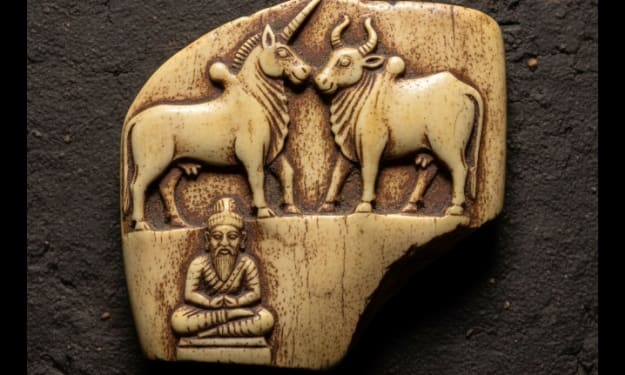
Long before marble statues, bronze sculptures, or digital art, humans carved meaning into what they had closest at hand—stone, wood, and bone. Among these, bone carvings stand as one of the most intimate and haunting art forms ever created. Made from the remains of animals hunted for survival, bone carvings blur the boundary between necessity and creativity, life and death, utility and beauty. Bone carving is not merely an ancient craft; it is a universal language that spans continents, cultures, and centuries. From prehistoric tools etched with symbolic patterns to sacred amulets and intricate modern artworks, bone carvings reveal how humans have always sought to transform mortality into meaning. The Origins of Bone Carving Bone carving dates back tens of thousands of years. Archaeological discoveries show that early humans carved bones to create tools, ornaments, and ritual objects. Unlike stone, bone was easier to shape and carried symbolic value—it came from living beings that sustained human life. Some of the earliest bone carvings include needles, fishhooks, flutes, and figurines found in Ice Age settlements. These objects prove that even in harsh survival conditions, humans made time for art. The act of carving itself became a quiet rebellion against impermanence. Bone was not chosen randomly. It represented strength, continuity, and the transfer of life from one being to another. In many cultures, carving bone was an act of respect rather than destruction. Bone as a Medium: Fragile Yet Powerful Bone is both fragile and resilient. It can crack under pressure, yet it can last thousands of years when preserved. This paradox makes bone a compelling artistic medium. Artists working with bone must understand its natural curves, density, and grain. Unlike wood or stone, bone demands patience and precision. Every mistake is permanent. This difficulty is part of the art’s appeal. Bone carving forces the artist to collaborate with nature rather than dominate it. The result is often intimate, organic, and deeply personal. Cultural Significance Across the World Bone carvings appear in nearly every ancient civilization, each with unique meanings and styles. Indigenous Arctic cultures carved bone and ivory into tools, masks, and spiritual figures, often depicting animals that guided their survival. African societies used bone carvings in ritual objects, symbolizing ancestry, protection, and communication with spirits. Asian traditions, particularly in Tibet and China, carved bone into prayer beads, amulets, and symbolic ornaments associated with impermanence and enlightenment. Polynesian and Maori cultures created intricate bone pendants that represented identity, lineage, and spiritual power. In many societies, bone carvings were never considered “decorative.” They were sacred objects, carrying energy, memory, and purpose. Symbolism: Life, Death, and Transformation At the heart of bone carving lies symbolism. Bone represents what remains after life has passed, making it a powerful metaphor for endurance and transformation. Carving bone is often interpreted as: Turning death into beauty Honoring the spirit of an animal Preserving memory beyond mortality Accepting impermanence while creating permanence Many spiritual traditions view bone carvings as reminders that life and death are not opposites, but parts of the same cycle. Bone Carvings as Functional Art Historically, bone carvings were not displayed in galleries. They were worn, held, used, and trusted. Combs, buttons, weapon handles, musical instruments, and tools were often decorated with carvings. This fusion of function and art challenges modern ideas about creativity. Bone carvings prove that art does not need a frame or a pedestal—it can live in the hands of everyday people. The Ethics of Bone Carving In the modern world, bone carving raises ethical questions. Conservation laws and animal rights concerns have reshaped how artists source materials. Today, responsible bone carving relies on: Naturally deceased animals Recycled or archaeological bone (where legal) Agricultural byproducts Many contemporary artists emphasize respect and sustainability, ensuring that the craft does not exploit wildlife. This ethical shift has given bone carving a renewed moral dimension, aligning ancient traditions with modern values. Modern Bone Carving: A Revival Despite being ancient, bone carving has not disappeared. In fact, it is experiencing a quiet revival. Contemporary artists use bone to explore themes such as: Identity and ancestry Environmental loss Mortality and memory Human connection to nature Modern bone carvings often combine traditional techniques with abstract forms, transforming the medium into a bridge between past and present. Social media and independent art platforms have also helped bring this hidden art form into public view, allowing global audiences to appreciate its depth. Bone Carvings in Museums and Galleries Major museums around the world preserve bone carvings as historical treasures. These artifacts offer rare insight into how early humans thought, believed, and expressed themselves. However, bone carvings still exist on the margins of the art world. They challenge conventional ideas of beauty and comfort, forcing viewers to confront mortality and material truth. This discomfort is precisely what gives bone carvings their power. Why Bone Carvings Still Matter In an age dominated by digital art and mass production, bone carvings remind us of something essential: art is born from touch, time, and intention. They tell stories without words. They connect us to ancestors we will never meet. They remind us that creativity existed long before comfort. Bone carvings are not relics of the past—they are mirrors reflecting humanity’s oldest questions. Conclusion: Art That Refuses to Fade Bone carvings stand at the intersection of survival and spirituality, art and memory. They are carved from what remains, yet they endure. In every groove and pattern lies a silent message: humans have always created meaning, even from loss. Bone carvings are not just art. They are proof that creativity survives—even after life has passed.
By Zahid Hussainabout 10 hours ago in Art



Comments
There are no comments for this story
Be the first to respond and start the conversation.