
What life is like in one of the most remote places on Earth
Living in one of the most remote places on Earth means experiencing isolation, breathtaking natural beauty, and a close-knit community. People rely on resourcefulness and adaptability to thrive. Life is deeply connected to nature, with a slower pace and a strong sense of self-reliance.

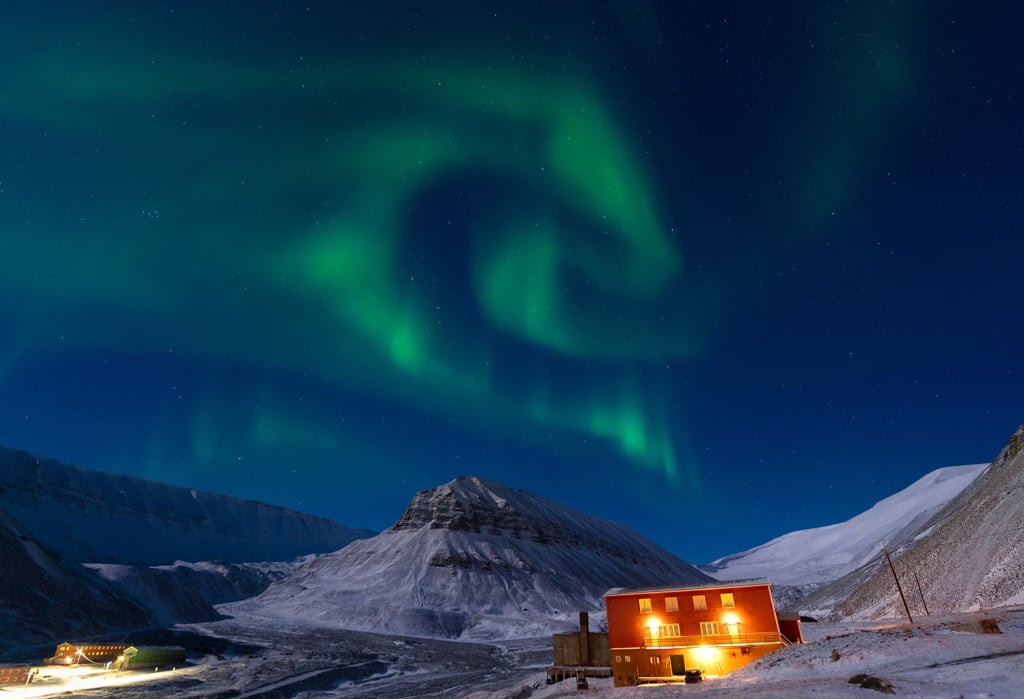
When we think of remote locations, images of isolated islands, vast deserts, or icy tundras often come to mind. These places—far removed from the conveniences of modern life—offer a glimpse into a world untouched by urban sprawl, bustling streets, and the hum of everyday technology. Life in one of the most remote places on Earth is both a challenge and a privilege, a unique existence defined by resilience, connection to nature, and a slower pace of living.
Defining “Remote”
Remote locations are not merely places far from major cities; they are areas where geographical isolation is compounded by limited access to infrastructure, communication, and basic services. These can range from the icy expanses of Antarctica, where temperatures plunge to unimaginable lows, to the arid interiors of the Australian Outback, to tiny islands like Tristan da Cunha in the South Atlantic Ocean, known as the most isolated inhabited archipelago on Earth.
Each of these places has its unique challenges and charms, shaping the lives of the people who call them home.
Daily Life: Adapting to Isolation
A Self-Reliant Existence
Life in a remote location often demands a level of self-reliance that few urban dwellers ever experience. Communities are frequently small, ranging from a handful of families to a few hundred residents. Survival hinges on local resources, whether that’s fishing, farming, or hunting. People grow their food, repair their tools, and even construct their homes with materials sourced from the surrounding environment.
On Tristan da Cunha, for example, the island’s 250 inhabitants rely on agriculture and fishing. Potatoes are a staple crop, grown in individual family plots called "The Patches." Meanwhile, fishing—particularly for crayfish—provides a vital source of both sustenance and income.
Limited Access to Modern Conveniences
In most remote locations, access to electricity, internet, and modern healthcare is sparse or non-existent. Residents must carefully manage their energy and resources. Solar panels, wind turbines, or diesel generators often power homes, and internet connections—if available—are slow and intermittent.
Healthcare poses a significant challenge. Remote areas seldom have hospitals or fully trained medical staff. In emergencies, people rely on rudimentary clinics, radio communication with distant medical centers, or evacuation—weather permitting. This necessity for ingenuity and preparation fosters a strong sense of community and mutual support.
The Role of Technology
While isolation remains a defining feature of remote living, technology has begun to bridge the gap. Satellite phones, GPS systems, and limited internet access enable communication with the outside world, reducing some of the hardships of isolation. However, these advancements are still far from making life in these areas comparable to urban centers.
A Unique Relationship with Nature
Living in Harmony
Remote areas often boast some of the most pristine environments on Earth. From the towering icebergs of Greenland to the untouched rainforests of Papua New Guinea, residents live in close harmony with their surroundings. Nature is not only a source of beauty but also the backbone of survival, dictating daily routines and cultural practices.
Challenges Posed by the Environment
The very environment that sustains life in remote areas also poses significant challenges. Harsh weather conditions—such as the blistering cold of Siberia or the searing heat of the Sahara—demand a high level of adaptability. Inhabitants must develop strategies to cope, such as building insulated shelters or conserving water meticulously.
Natural disasters—earthquakes, volcanic eruptions, or cyclones—can be devastating. For instance, Tristan da Cunha’s residents were forced to evacuate to the UK in 1961 after a volcanic eruption threatened their homes. Although they eventually returned, the event underscored the fragility of life in such environments.
The Social Fabric of Remote Communities
Tight-Knit Relationships
One of the most striking aspects of life in remote locations is the strength of social bonds. With few inhabitants and limited external interaction, community members depend heavily on one another. This reliance fosters deep relationships and a shared sense of responsibility.
Traditions and cultural practices play a significant role in maintaining cohesion. For example, the Inuit communities of the Arctic pass down survival skills through storytelling, ensuring that younger generations are equipped to face the region’s extreme conditions.
Education and Knowledge Sharing
Education in remote areas often takes unconventional forms. While formal schooling might be limited or non-existent, practical knowledge is abundant. Children learn from their elders, acquiring skills essential for survival, such as navigation, weather prediction, and the sustainable use of natural resources.
The Psychological Impact of Isolation
The Pros: Peace and Simplicity
Life in remote areas offers unparalleled tranquility. The absence of traffic, pollution, and the constant buzz of notifications allows for a slower, more intentional way of living. Many residents find solace in this simplicity, valuing the deep connection to their environment and the escape from the pressures of modern society.
The Cons: Loneliness and Isolation
However, the isolation can also take a psychological toll. Limited social interaction, the absence of entertainment options, and the difficulty of accessing mental health support can lead to feelings of loneliness and depression. Overcoming these challenges often requires strong community ties and a robust sense of purpose.
The Allure for Outsiders
Tourism and Exploration
Remote locations hold a special allure for adventurers and tourists seeking to escape the beaten path. The unique landscapes and cultures of these areas provide an opportunity to experience a way of life vastly different from their own.
However, tourism can be a double-edged sword. While it brings economic benefits, it also risks disrupting fragile ecosystems and local traditions. Responsible tourism, guided by sustainability principles, is crucial to preserving the essence of these remote places.
Scientific Research
Many remote locations serve as important sites for scientific research. Antarctica, for instance, hosts numerous research stations studying everything from climate change to astrophysics. These efforts provide invaluable insights but also highlight the delicate balance between exploration and preservation.
Conclusion: A Testament to Human Resilience
Life in one of the most remote places on Earth is not for the faint-hearted. It demands adaptability, resourcefulness, and an unyielding spirit. Yet, for those who embrace it, the rewards are immense—a deep connection to nature, a tight-knit community, and a way of life that offers both peace and purpose.
These remote areas serve as a reminder of humanity’s ability to thrive in even the harshest conditions. They challenge our understanding of what it means to live well, offering a perspective that is increasingly rare in our fast-paced, interconnected world. While most of us may never experience this way of life firsthand, the stories of those who do inspire us to cherish our own connections—to the land, to each other, and to the enduring spirit of adventure.
About the Creator
Muhammah Hanzalah
Passionate about history and culture. Join me on Vocal Media for captivating insights into hidden historical gems and diverse cultural traditions. Let's explore the rich tapestry of our shared heritage and artistic expressions.
Keep reading
More stories from Muhammah Hanzalah and writers in Art and other communities.
The Hunters in the Snow
Among the masterpieces of the Northern Renaissance, Pieter Bruegel the Elder’s The Hunters in the Snow (1565) stands as a remarkable testament to the fusion of artistic innovation and cultural resonance. This painting, part of Bruegel’s famed series of works depicting the seasons, represents winter with an unparalleled depth of narrative, technical mastery, and emotional weight. A careful analysis reveals the layers of complexity that make it a cornerstone of Western art history.
By Muhammah Hanzalahabout a year ago in Art
A Matter of Coincidence
Tuesday, 3 September 2024 Ayesha Fareed Ahmed, Mirpur Khas Sheeda was a simple and innocent man. One day, he was going to his wife’s village to bring her back. On the way, he saw some donkeys grazing on grass at a certain place. Eventually, he reached his in-laws’ house. His wife’s brother asked him to sit in the guest room.
By Sudais Zakwan2 days ago in Art
What Fine Line Tattoo Excellence Looks Like in Professional Practice
When you sit in the chair of one of the best fine line tattoo artists, you feel it straight away. The calm, the care, the way they handle your skin and your nerves at the same time. Fine line work looks light and effortless from the outside, but real excellence is anything but casual.
By Tools of Trade Studios7 days ago in Art
The Devil's Cut
“Comrade, finally you’re awake.” The voice was smooth, sensual. A flickering incandescent bar was all that lit the white, sterile room. All Vladimir remembered was everything going black. He tried to move his arms and found them strapped to the gurney.
By Matthew J. Fromm6 days ago in Fiction


Comments
There are no comments for this story
Be the first to respond and start the conversation.