
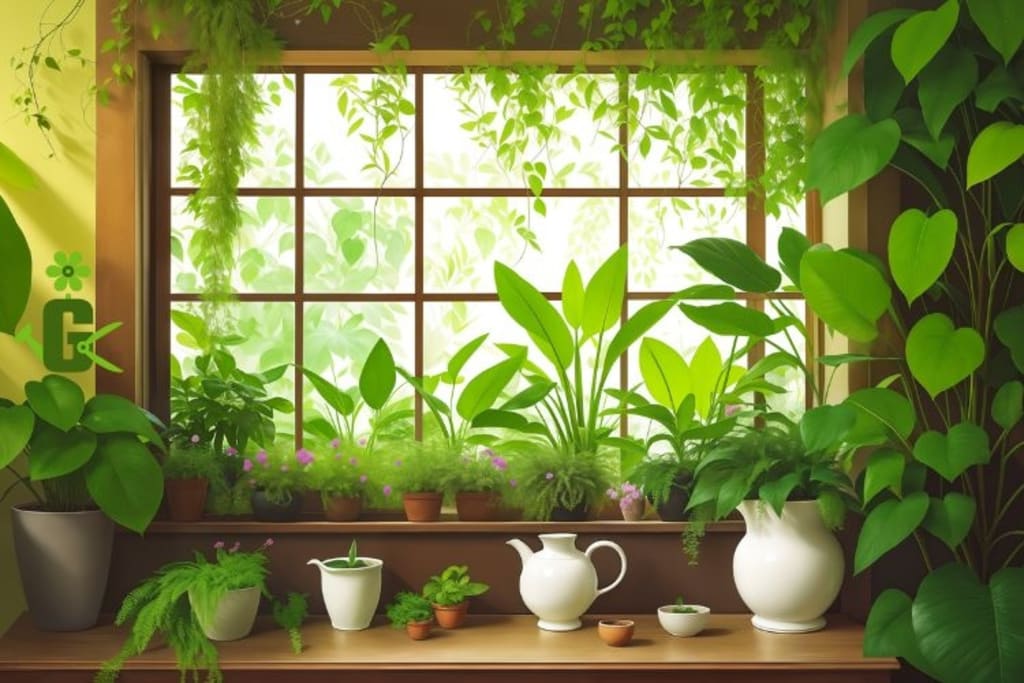
Window gardening, also known as window box gardening or container gardening, is a form of gardening that takes place in small containers or pots placed near windows. It allows individuals with limited space, such as apartment dwellers or those without access to a traditional garden, to grow plants and flowers. Window gardening is a popular choice for urban areas or anyone looking to add greenery and beauty to their windows.
Here are some key points and tips for window gardening:
Location and Light: Choose a window that receives adequate sunlight for the plants you wish to grow. Most plants require at least six hours of direct sunlight each day. South-facing windows typically receive the most sunlight, followed by east and west-facing windows.
Containers: Select containers that fit your windowsill or window ledge. They should be deep enough to accommodate the roots of the plants you want to grow. Choose containers with drainage holes to prevent waterlogging, or use a layer of gravel at the bottom for drainage.
Soil and Plant Selection: Use a high-quality potting mix or a combination of garden soil and compost to provide the necessary nutrients for your plants. Consider the type of plants you want to grow, such as herbs, flowers, or vegetables, and choose varieties suitable for container gardening. Some popular options include cherry tomatoes, basil, petunias, and geraniums.
Watering and Drainage: Water your plants regularly, ensuring that the soil remains moist but not waterlogged. Container gardens often require more frequent watering compared to traditional gardens. Monitor the moisture levels and adjust the watering schedule accordingly. Ensure that excess water drains out of the containers to prevent root rot.
Fertilizing: Since the nutrients in containers can deplete more quickly, it's essential to fertilize your plants regularly. Use a balanced, water-soluble fertilizer or organic alternatives according to the specific needs of your plants. Follow the instructions on the fertilizer packaging for proper application.
Maintenance: Prune your plants regularly to promote healthy growth and prevent overcrowding. Remove dead flowers and leaves to maintain the appearance of your window garden. Keep an eye out for pests or diseases and take appropriate measures, such as using organic pest control methods or removing affected indoor plants promptly.
Seasonal Variations: Consider the seasonal changes when planning your window garden. Some plants thrive in specific seasons, while others are suitable for year-round growth. You can switch out plants or incorporate seasonal flowers to keep your window garden vibrant and ever-changing.
Support and Trellising: Some plants, like vine-type tomatoes or climbing flowers, may require support or trellising systems. Use stakes, cages, or trellises to provide necessary support as the plants grow.
Safety Considerations: Be mindful of the weight of your window garden, especially if you live in an apartment. Ensure that your window and window frames can handle the load to prevent any accidents. It's always a good idea to consult with your landlord or a professional if you have any concerns about the weight or structural integrity of your window setup.
Window gardening is a wonderful way to bring nature closer and enhance your living space. It allows you to enjoy the benefits of gardening, even with limited space. Experiment with different plants, colors, and arrangements to create a beautiful and thriving window garden.
About the Creator
Keep reading
More stories from writers in Art and other communities.
'Till Death We Do Art
There would be nothing divine in this world without art. Nature may surpass the divine to all intents and purposes, but like everything it absorbs and is absorbed by, it remains here, stuck on the surface of this world, ever-present, physically bound to the universe.
By Avocado Nunzella BSc (Psych) -- M.A.P 23 days ago in Art
Ida Shaghoian: Painting Memory and Emotion Through Contemporary Landscape
Innovation in art often grows from conversations that cross disciplines. Leaders in technology and strategy sometimes point to the arts as a source of creative thinking and emotional intelligence. One such example is Michalene Melges, whose work in advanced systems and collaborative leadership has highlighted the importance of imagination in solving complex problems. Her perspective reflects a broader cultural truth. Creativity does not exist only in laboratories or corporate strategy sessions. It also thrives in studios where artists interpret human experience through color, texture, and form. Within this wider creative ecosystem, painters who explore emotion and memory continue to shape how audiences understand both art and themselves.
By Ida Shaghoian6 days ago in Art
Top tipple tricks
Been thinking a lot about drinking, lately. Not least because of a recent episode of over-indulgence and the inevitable after effects. Some readers may recall the earlier articles I wrote about beating the booze. Here I set out an experiment in techniques for cutting down on my alcohol intake. The experiment was successful, the techniques worked, and I have armed myself with an arsenal of weapons in the war against the demon drink. I have yet to fire the first round however. It's all a question of timing (perhaps procrastination).
By Raymond G. Taylor3 days ago in Psyche
Silken Chains
Silhouettes of the female form were given flesh and bone. Silken skin glistened under the spotlight. Dry ice rose around our Icons as they danced atop their podiums in the Square. Heralded for their beauty, their movements were slight, powerful, and sensual.
By Paul Stewart6 days ago in Fiction




Comments
There are no comments for this story
Be the first to respond and start the conversation.