
What is the Etiquette for Sending Wedding Invitations?
Mastering the Art of Wedding Invitations

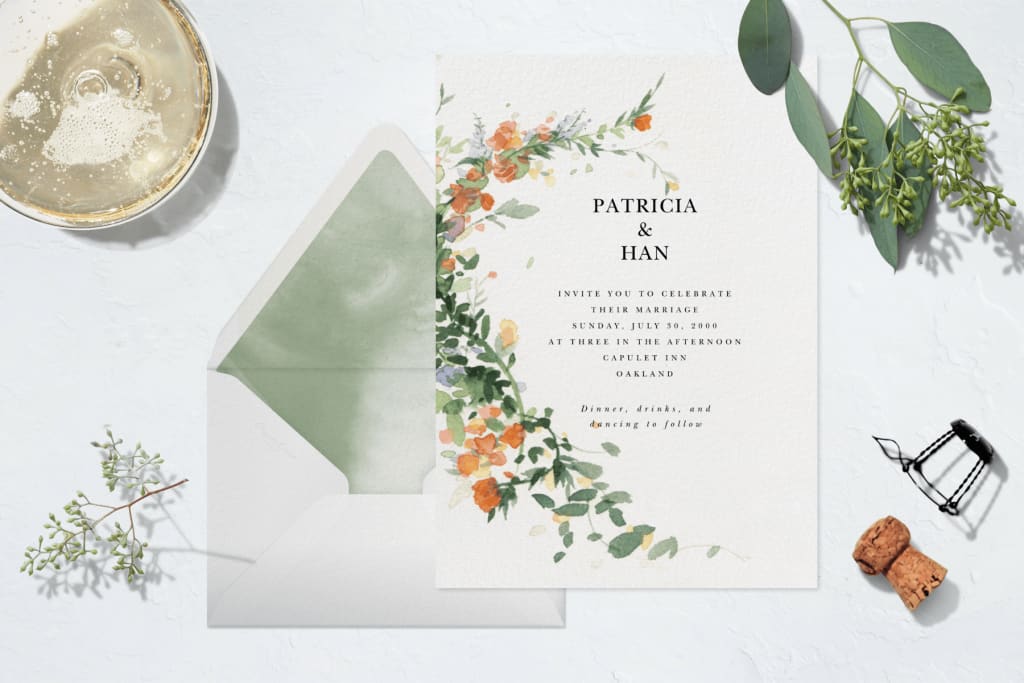
Wedding invitations are more than just a formality; they set the tone for your special day and offer your guests their first glimpse into the theme and style of the wedding. Sending a wedding invitation is an important task that requires careful attention to detail. Understanding the etiquette around it ensures your guests receive all the necessary information and feel valued in your celebration. Below, we will discuss the traditional and modern etiquette for sending wedding invitations, covering everything from timing to wording, and include a special mention of how online wedding invitations can streamline the process.
1. Timing: When to Send Wedding Invitations
The timing of sending out wedding invitations is crucial for allowing your guests ample time to RSVP and prepare for the event. The typical rule of thumb is to send wedding invitations 6-8 weeks before the wedding day. This provides guests with enough notice, especially if they need to make travel arrangements or take time off work.
For destination weddings or if your guests will need to travel a long distance, sending invitations 3 months in advance is recommended. This gives them enough time to make their plans and book accommodations.
2. Addressing the Invitations: Who Gets One?
One of the key elements of wedding invitation etiquette is ensuring you address each invitation properly. Traditional etiquette typically demands formal addressing, with titles used (Mr., Mrs., Dr., etc.), and the names written in full. However, if you're having a more casual or modern celebration, you can choose a less formal approach.
Furthermore, pay attention to the guest list. Couples should decide whether to extend invitations to children, colleagues, or distant relatives. This decision influences the wording and structure of the invitation, as the number of invited guests may be different from the number of households.
3. Wording of the Invitation: What Should You Include?
The wording of a wedding invitation is a delicate matter, and the format can vary depending on the formality of your event. Here are the key components typically included:
Hosts: Traditionally, the bride’s parents were considered the hosts of the wedding, but today it is common for both sets of parents to be listed, or even the couple themselves.
Request for Attendance: A polite phrase like “request the honor of your presence” or “request the pleasure of your company” is customary.
Details of the Wedding: This includes the date, time, and venue. Ensure that the information is clear and accurate, as this is the primary reason for sending the invitation.
Reception Information: If the reception is at a different location, this should be specified.
RSVP: Include an RSVP request, with either an email, phone number, or a return card for guests to confirm their attendance. Providing a specific deadline is key to ensuring you have an accurate headcount for your event.
4. Types of Wedding Invitations: Traditional vs. Modern
Traditionally, wedding invitations were mailed in paper form and came with matching envelopes, RSVP cards, and other inserts. Today, with the advancement of technology, many couples are choosing to send wedding invitations online.
Traditional Wedding Invitations:
Printed on high-quality paper.
Include multiple inserts such as RSVP cards, directions to the venue, and accommodation details.
Formal and elegant, often embellished with elegant calligraphy or monograms.
Online Wedding Invitations:
Online wedding invitations are gaining popularity due to their convenience and eco-friendly nature.
These invitations can be designed and personalized digitally and sent through email or social media platforms.
Many platforms offer customization tools, making it easy to match the invitation’s design with your wedding theme.
Wedding invitations online often come with integrated RSVP features, allowing couples to track responses in real-time.
Using online wedding invitations also reduces printing and postage costs, which can be significant when sending traditional invitations to a large guest list. Additionally, online invitations are more sustainable, offering an environmentally friendly alternative to paper.
5. Special Considerations: Destination Weddings, Elopements, and Plus Ones
If you’re planning a destination wedding, it’s important to consider the logistics of your guests' travel plans. Invitations should be sent as early as possible to give guests time to make arrangements. You might also include additional details such as flight and accommodation options to help your guests plan accordingly.
For elopements or intimate ceremonies, it’s essential to be clear about the nature of the event when sending invitations. In these cases, you may want to opt for a more informal approach and perhaps only invite immediate family or closest friends.
If you’re offering a “plus one” option, make sure your invitations clearly indicate this. Some couples prefer not to offer plus ones unless they are in a committed relationship with the invited guest. Be sure to specify this in the wording of the invitation so that your guest is aware of the invitation’s restrictions.
6. Etiquette for RSVP: The Importance of Responding Promptly
The RSVP is a critical part of wedding invitation etiquette. Guests should reply to invitations promptly, ideally within a week of receiving it. This allows the couple to finalize their guest list and make arrangements such as seating, catering, and event planning. If the RSVP deadline is not explicitly mentioned, responding within 2-3 weeks of receiving the invitation is considered polite.
Couples can choose to send out reminders for those who have not responded by the deadline, ensuring that they have an accurate headcount for the big day.
7. Personal Touches: Adding Unique Elements to Your Invitations
Personalizing your wedding invitations adds a special touch that will resonate with your guests. This can include custom illustrations, photos, or incorporating meaningful quotes or symbols that represent the couple's journey together.
Even if you choose wedding invitations online, many platforms offer features that allow for personalized designs and messages, making the invitation just as unique as a traditional one.
Conclusion: Embracing Technology with Motion Stamp
Wedding invitations hold an essential place in the planning process, setting the stage for your event and guiding your guests to your special day. While traditional wedding invitations are still widely appreciated for their elegance, online wedding invitations offer a modern, practical alternative. Whether you choose to send wedding invitations online or prefer to stick with paper versions, the key is to ensure clarity and attention to detail in every aspect.
For those looking to add an extra touch of elegance or creativity to their digital invites, consider using a Motion Stamp. This new tool allows couples to integrate beautiful animated designs into their digital invitations, bringing a dynamic, personalized feel to the traditional wedding announcement. By combining the best of both worlds—traditional etiquette and modern technology—your wedding invitations will be a memorable and impactful part of your celebration.
Read Also: How to Create the Perfect Baby Shower Evite: Tips & Tricks
About the Creator
Motion Stamp
Announce your engagement party invitations in style with MotionStamp's captivating party invitations. Choose from an array of elegant templates to set the perfect tone for your celebration.
Keep reading
More stories from Motion Stamp and writers in Art and other communities.
How to Claim Your Wedding Weekend with Beautiful, Customized Save the Dates
Planning your wedding is one of the most exciting times in your life. From picking the venue to deciding on the dress, every detail matters. One of the first steps in your wedding planning journey is letting your guests know about your big day. That’s where electronic save the date cards come in. They are a simple and stylish way to claim your wedding weekend and give your guests a heads-up.
By Motion Stamp9 months ago in Art
The Best Philosophy in the World Is the One You Can Live
Ask ten philosophers what the best philosophy in the world is, and you will receive at least ten different answers—possibly delivered with footnotes, counterarguments, and mild contempt for the other nine. This disagreement is not a flaw of philosophy; it is its essence. Philosophy was never meant to be a universal prescription handed down like a rulebook. It exists to help human beings live better lives. By that standard, the best philosophy in the world is not the most elegant or complex—it is the one that can be lived.
By Fred Bradford4 days ago in Art
Rachel Reviews: The Spiral Archive by Pieter Hendrik
It's difficult for me to know where to start with a review of this book as it was, for me, an entirely unique experience and one that I'll probably never have again. I don't want that to be interpreted as unenjoyable but it has left me scratching my head a little and ruminating on its content, its themes and its characters.
By Rachel Deeminga day ago in BookClub



Comments
There are no comments for this story
Be the first to respond and start the conversation.