
What Is the Difference Between Coloring for Fun and Therapeutic Coloring?
Fun and Therapeutic Coloring


Coloring is now one of our go-to hobbies. From kids with crayons to adults with intricate mandala books, coloring is a moment of calm in our busy, overstimulated world. But over the past few years, a new term has emerged alongside recreational coloring: therapeutic coloring.
They may look the same on the surface: colorful pencils, quiet time, and imagination. But beneath the surface, fun coloring and therapeutic coloring are distinct in intention, purpose, and emotional depth.
So, what really sets these two practices apart? And how can understanding the difference help you get the most out of your coloring time?
Let's explore the psychology, benefits, and techniques of both forms of coloring, so you can decide which approach—or combination—is right for you.
What Is Coloring for Fun?
Coloring for fun is the name: a soothing, enjoyable activity completed for its own sake. It's about self-expression, imagination, and escaping the daily routine, not about emotional healing or psychological goals.
1. The Purpose of Fun Coloring
The primary purpose is recreation. People color for fun when they:
- Need to relax after a stressful day.
- Have artistic inclinations but don't want the Stress of painting or drawing anew.
- Enjoy seeing the gorgeous, stunning results.
- Would like to recapture their inner child.
In short, it's recreation, not rehab.
2. What Fun Coloring Is Like
If you color for fun, you might:
- Get out your favorite coloring book and listen to a podcast.
- Try coloring with mixed colors—it is fun.
- Pick themes you enjoy—nature, fantasy, or animals, for example.
Don't worry about staying within the lines or making perfect choices.
It's relaxed, flexible, and exploratory. You can color alone, with friends, or even as a family activity.
3. Benefits of Coloring for Fun
While not exactly therapeutic, fun coloring has real mental and physical benefits:
- Always reduction of stress through creative distraction.
- Tighter focus as your mind stays on a straightforward task.
- More refined motor skills and hand eye coordination.
- Better mood from always creative satisfaction.
Mindfulness in disguise, you won't even realize you've been meditating until you've finished a page!
Adult coloring for fun reminds us that creativity doesn't have to be serious to be enjoyable.
What Is Therapeutic Coloring
Therapeutic coloring is a mindful exercise in emotional healing, self-expression, and stress reduction, though. It's not coloring—it's art therapy or meditation.
Whereas recreational coloring focuses on enjoyment, therapeutic coloring is rooted in psychology and emotional well being.
1. The Purpose of Therapeutic Coloring
The main aim is to provide mental, emotional, or spiritual wellness.
Therapeutic coloring can:
- Reduce symptoms of anxiety and depression.
- Assist in the processing of feelings like grief, anger, or fear.
- Improve focus and self awareness.
Create a sense of peace and connection to the present moment.
It's not about the finished product; it's about the coloring process itself.
2. What Therapeutic Coloring Looks Like
Therapeutic coloring is typically performed in specific settings:
- Guided sessions with an art therapist or counselor.
- Individual quiet routines at home, using calming music or meditation.
- Journaling along with coloring to process emotions.
- Picking colors or themes that symbolize inner feelings.
Men and women might opt for pages symbolizing growth (e.g., flowers or trees), healing (e.g., mandalas), or peacefulness (e.g., clouds and waves).
The purpose of each line is deeper. Instead of "What do I like?" you can ask yourself, "What am I feeling right now?" or "What color will bring me peace?"
3. Therapeutic Coloring Advantages
This coloring is not just a relaxation exercise. Science indicates that it can:
- Lower cortisol levels, calming physical symptoms of Stress.
- Activate the parasympathetic nervous system to promote calm and focus.
- Allow healing from trauma through safe emotional release.
- Raise mindfulness, remaining in the present with thoughts.
- Raise resilience and mood in the long term.
In coloring therapy, you connect more intimately with yourself.
Coloring and the Brain
To understand why coloring feels so good—fun or therapeutic—it is helpful to know what is happening in your brain.
1. Coloring and the Flow State
As you color, your mind goes into what psychologists describe as a flow state, mentally, time fades away, and you're completely immersed in what you're doing.
Flow releases dopamine, the "feel-good" neurotransmitter associated with focus and happiness.
Recreational and therapeutic coloring both invite flow, but therapeutic coloring always brings conscious awareness, utilizing that state as a vehicle for healing.
2. Coloring and Mindfulness
More practice of mindfulness involves being fully present in the moment and not judging it. Because of its repetitive movements and simple choices, coloring naturally promotes mindfulness.
You might find yourself paying attention to:
- The scratching of a pencil on paper.
- The weight of your hand on paper.
- The transition from color to another.
In therapeutic coloring, these sensations are amplified to calm the nervous system and to quiet intrusive thoughts.
3. Coloring and the Amygdala
The amygdala is the part of your brain that controls reactions to Stress and fear. Studies have shown that more creative activities, like coloring, soothe the amygdala, allowing the brain to unwind from a constant state of high alert.
That's why coloring is so relaxing,it gradually lowers emotional reactivity.

They can overlap. You might color for fun and gain therapeutic advantages or do therapeutic coloring while still enjoying yourself.
How to Turn Fun Coloring Into Therapeutic Coloring
You don't need a therapist to reap the therapeutic benefits of coloring. With a few deliberate adjustments, your coloring session can be a simple act of self-care.
This is how you can do it on purpose:
1. Make a Purpose
Before you sit down, you ask yourself:
- "What do I need today,calm, confidence, clarity?"
- "How do I want to feel after coloring?"
Purposing allows your mind a chance to connect with what your emotions are calling for.
2. Make a Calming Environment
Turn off distractions, light a candle, play soft music, and sit in a comfortable place.
Quiet, mindful spaces create therapeutic coloring to thrive.
3. Choose Meaningful Designs
Mandalas, nature, or spiritual shapes are likely to create introspection.
Choose designs that resonate emotionally, not just visually.
4. Listen to Your Breathing
Color very slowly, breathe deeply. Notice your rhythm.
Breathwork deepens the relaxation response, further reducing tension.
5. Watch the Colors You Choose
Colors mirror mood. For ex:
- Blue color = calm and clarity.
- Green color = growth and balance.
- Red color = passion or power.
- Yellow color = joy and energy.
There is no right or wrong choice, only awareness.
6. Journal Later
Consider your mood before and after coloring.
Did your mood shift? Were any thoughts that arose?
Writing can bring the experience together.
Choosing Which Kind of Coloring to Use
Choose Coloring for Fun When:
- You need a break from screens or work.
- You want a stress free, relaxing pastime.
- Want to be creative with friends or loved ones.
- Are you discovering materials or techniques?
Choose Therapeutic Coloring When You:
- Are you blue, anxious, or feeling overwhelmed?
- Need to let out wordless emotions.
- Want to cultivate mindfulness or gratitude.
- Are you recovering from loss, burnout, or Stress?
Just remember, you can use either one. Many use both depending on mood and purpose.
The Role of Art Therapy
Therapeutic coloring can be used in art therapy, a healing profession wherein licensed therapists use the arts to assist clients in emotional healing.
In art therapy sessions:
Artistic skill is not the focus; instead, expression and meaning are.
- Your therapist might ask you to color an emotion, a memory, or a dream.
- You can discuss your artwork later to uncover patterns or insights.
Whereas home therapeutic coloring is autonomous, art therapy adds professional supervision for more in-depth emotional working through—especially beneficial for trauma, anxiety disorders, or depression.
The Intersection: Why Both Are Important
While coloring for enjoyment and therapeutic coloring differ in depth and purpose, both share something remarkable: they reconnect you with your inner self.
Coloring for enjoyment nurtures your joyful, creative self.
Therapeutic coloring anchors your emotional self in the here and now.
They are two facets of the same coin—a reminder that creativity itself is therapeutic.
You might color for enjoyment on a sunny afternoon, and then turn to coloring therapy when things get serious. Every moment at the coloring table can be whatever you want it to be.
Everyday Tips for Maximizing Your Coloring Habit
Here are some tips on how to maximize your experience, whatever your goal:
1. Use High Quality Materials
Good paper and smooth pencils make coloring more satisfying and always less frustrating.
If you're coloring therapeutically, the tactile quality enhances more mindfulness.
2. Try Different Media
Experiment with markers, watercolor pencils, or gel pens.
The sensory change keeps your brain engaged and curious.
3. Don't Judge the results
Whether it's for fun or therapy, the process is what matters.
Perfection is the enemy of peace,so let go of the need to make it "look right."
4. Make It a Ritual
Schedule 15 to 30 minutes daily or weekly,pair coloring with tea or candles.
Habit makes the relaxing effect always potent.
5. Use It with Meditation or Music
You can incorporate gentle breathing, affirmations, or binaural beats.
It amplifies your sense of calm and presence.
The Emotional Power of Colors
Colors affect our emotions without us even being aware. Understand this, and fun, therapeutic coloring can improve.

In therapeutic coloring, you can choose colors on an intuitive level—whatever feels right in the moment.
In recreational coloring, you can use your favorite palette. Either is delicate and beautiful.
Popular Myths About Therapeutic Coloring
Myth 1: "You have to be an artist."
Not at all. Therapeutic coloring is a form of expression, not a skill to be done. Goopy lines or stick figures can still release emotion and soothe Stress.
Myth 2: "It only works if a therapist guides you."
While professional art therapy is very effective, self-guided therapeutic coloring still offers actual emotional benefits.
Myth 3: "It's only for adults."
Kids benefit from therapeutic coloring, too, it helps them express feelings they can't yet verbalize.
Myth 4: "Therapeutic coloring is always serious."
It can be tender and whimsical, too. Healing doesn't have to be somber—it can be bright and light.
Coloring in the Future of Wellness
With mindfulness, mental well-being, and artistry further intersecting, coloring has become an established part of modern wellness practices.
- Apps, classes, and adult coloring books are adding:
- Affirmations and gratitude practices.
- Emotional tracking with color.
- Stress-melting digital coloring on the go.
The line between coloring for fun and therapy coloring will likely blur even more, since happiness is therapeutic, and healing can be fun.
Last Thoughts: Balance Between Therapy and Fun
In essence, coloring is a fun art form and a form of self-care.
Whether you're coloring a magical garden or a mandala with intention, it invites you to unplug, unwind, and find your center.
- The difference is purpose:
- Coloring for fun can brighten your day!
Healing coloring is like a magic wand that repairs your inner landscape.
You don't need to pick one forever, color for joy today, color for peace tomorrow.
Let every brush stroke be a reminder that creativity is the most natural remedy.
About the Creator
Shenal Jay
All about Free Coloring Pages and Learning Materials (Pre-K to 5th)
For free download
Visit
https://freecoloringpagepro.com/
Or
https://www.patreon.com/FreeColoringPagesPro
Keep reading
More stories from Shenal Jay and writers in Art and other communities.
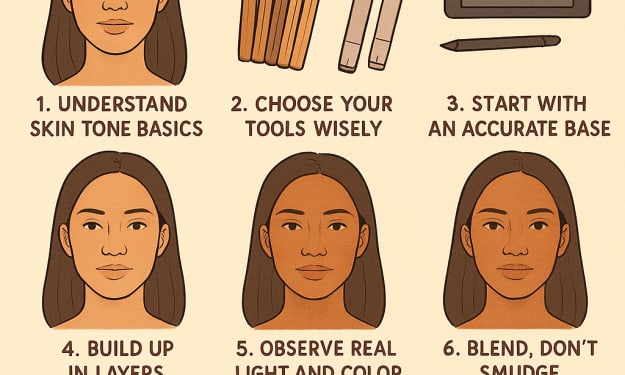
What’s the Easiest Way to Color Skin Tones Realistically?
What is the Easiest Way to Depict Skin Tones Naturally? Whether you're a beginner starting with your very first set of colored pencils or an experienced artist branching into digital art, achieving realistic skin tones can seem intimidating. Skin has fragile undertones, color changes, and fine gradations ,but employing the right approach, tools, and layering techniques, you can achieve beautiful, realistic effects with the least amount of hassle.
By Shenal Jay4 months ago in Art
'Till Death We Do Art
There would be nothing divine in this world without art. Nature may surpass the divine to all intents and purposes, but like everything it absorbs and is absorbed by, it remains here, stuck on the surface of this world, ever-present, physically bound to the universe.
By Avocado Nunzella BSc (Psych) -- M.A.P 12 days ago in Art
Review: Children of the Whales, first 3 episodes
I grew up upon anime. “3000 Miles in Search of a Mother”, “Nils Holgersson”, “The Moomins”, studio Ghibly, etc. but nowadays Netflix anime (their original ones, or at least some) is empty artstype wise, content wise. Repetitive. Plus, there’s a theme of violence and women opression (at least in some past animes) that is unclear and unethical.
By Maya Or Tzur3 days ago in Art



Comments
There are no comments for this story
Be the first to respond and start the conversation.