
What is the best material for backlit signs?
Choosing durable and visually striking materials to make your backlit signs stand out effectively

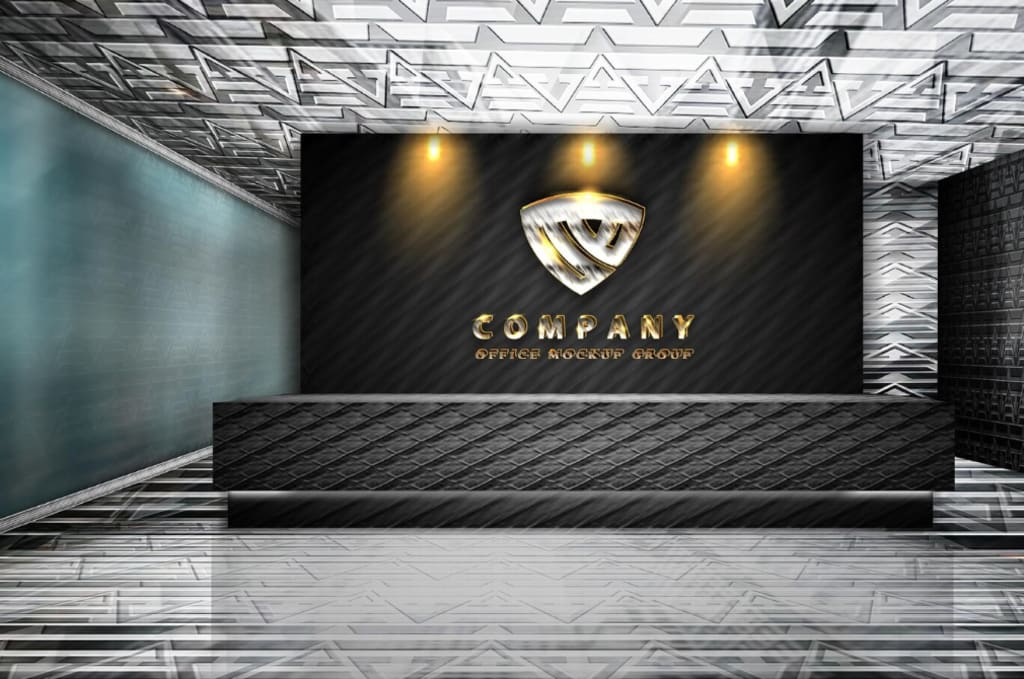
Backlit signs are an excellent way for businesses to stand out both day and night. Their illuminated presence catches the eye and enhances brand visibility. Choosing the right material for backlit signs is essential to ensure durability, aesthetic appeal, and optimal lighting effects. Many businesses are also interested in 3d backlit logo sign options to add dimension and sophistication to their branding. Understanding the materials commonly used can help make the best decision for your signage needs.
Acrylic as a Popular Choice
Acrylic is one of the most popular materials for backlit signs because of its clarity and ability to diffuse light evenly. This material allows light to pass through smoothly, creating a bright and attractive glow. Acrylic can be easily shaped into letters or logos, making it ideal for custom designs including 3d backlit logo signs. It is lightweight yet sturdy, making installation simpler. Additionally, acrylic comes in various thicknesses and colors, providing flexibility for creative signage.
Advantages of Aluminum
Aluminum is often used for the backing or frame of backlit signs due to its strength and resistance to corrosion. It is lightweight but strong enough to hold all the components together. When combined with acrylic faces, aluminum provides a sleek and modern look while protecting the internal lighting elements. For outdoor signage, aluminum’s weather-resistant properties make it a reliable choice. Many 3d backlit logo sign designs incorporate aluminum for a polished and durable finish.
Polycarbonate for Durability
Polycarbonate is another material sometimes chosen for backlit signs. It is extremely impact-resistant and can withstand harsh environmental conditions, making it suitable for outdoor use. While it is not as clear as acrylic, it can still effectively diffuse light and is more resistant to cracking or shattering. Businesses in high-traffic or exposed locations might prefer polycarbonate for its toughness and long-lasting performance.
Using Stainless Steel for Elegance
Stainless steel is often used for high-end backlit signs where a premium look is desired. It provides a reflective surface that can complement the illuminated parts of a sign. Though stainless steel is typically used for the backing or trim rather than the light-diffusing face, it adds sophistication and a polished finish. Many 3d backlit logo sign designs feature stainless steel elements combined with acrylic or other translucent materials to balance style and function.
LED Lighting Integration
The choice of material goes hand in hand with the lighting technology used. LED lights are preferred for backlit signs due to their energy efficiency, long lifespan, and brightness. Materials like acrylic work well with LEDs because they diffuse the light evenly without hotspots. When designing a 3d backlit logo sign, careful selection of both materials and lighting components ensures the sign remains vibrant and eye-catching at all times.
Maintenance and Longevity
The best materials for backlit signs also need to withstand weather, UV rays, and regular cleaning. Acrylic and aluminum, when combined, offer excellent longevity with minimal maintenance. Polycarbonate provides extra protection against physical damage, while stainless steel adds corrosion resistance and aesthetic durability. Selecting the right materials will reduce maintenance costs and keep the signage looking fresh for years.
Customizing for Branding
Every business has unique branding needs, and the material choice should support the desired look and feel. Acrylic allows for vibrant colors and smooth finishes that make letters and logos pop. Metals like aluminum and stainless steel offer more industrial or luxurious tones. For a standout effect, a 3d backlit logo sign uses layered materials to add depth and dimension, creating a memorable impression that attracts customers.
Cost Considerations
While some materials like polycarbonate and stainless steel may be more expensive, the overall investment depends on the size, design complexity, and installation requirements. Acrylic and aluminum are often the most cost-effective combination for high-quality backlit signs. Budget-conscious businesses can still achieve excellent results by selecting the right materials that balance cost with durability and appearance.
Conclusion
Choosing the best material for backlit signs involves understanding the strengths and characteristics of each option. Acrylic stands out for its light diffusion and versatility. Aluminum supports durability and modern styling. Polycarbonate offers toughness for challenging environments. Stainless steel adds an elegant touch to premium signage. Combining these materials with efficient LED lighting produces vibrant and lasting backlit signs. When aiming to create a striking 3d backlit logo sign, carefully selecting materials ensures the business sign captures attention, conveys professionalism, and endures over time.
About the Creator
Nova Pro Signs
At Nova Pro Signs, we don’t just make signs—we build brand identities. From a small workshop to an industry leader, we set new standards in quality, creativity, and innovation, delivering impactful signage solutions.
Keep reading
More stories from Nova Pro Signs and writers in Art and other communities.
What Are the Signs in Front of Stores Called?
Ever walked down a busy street and found yourself drawn to a certain store just because of its sign? Maybe it was bold and modern, glowing in neon, or maybe it had an elegant vintage charm that instantly made you curious. That eye-catching piece sitting right above the entrance or hanging on the side? That’s called a storefront sign and it’s more important than you might think.
By Nova Pro Signs10 months ago in Art
'Till Death We Do Art
There would be nothing divine in this world without art. Nature may surpass the divine to all intents and purposes, but like everything it absorbs and is absorbed by, it remains here, stuck on the surface of this world, ever-present, physically bound to the universe.
By Avocado Nunzella BSc (Psych) -- M.A.P 26 days ago in Art
The Stolen Smile: The True Story Behind the Mona Lisa Theft
In the summer of 1911, the art world experienced one of the most shocking and mysterious events in history when the most famous painting in the Louvre Museum suddenly vanished without anyone noticing until it was already gone. The painting was the Mona Lisa, the masterpiece created by the legendary Renaissance artist Leonardo da Vinci, and at that time it was already admired by artists and historians even though it had not yet achieved the global fame it holds today.
By The Curious Writerabout 9 hours ago in Art
Writing To Succeed
If you want to find something that will help readers find your writing, possibly expand your audience, and maybe even get you noticed for other things, then you’re not alone. But how can you get it done in a world full of want-to-be writers? Look less at what you’re writing now, and more at what other writers have used to boost their views and reads.
By Jason Ray Morton 7 days ago in Writers




Comments
There are no comments for this story
Be the first to respond and start the conversation.