
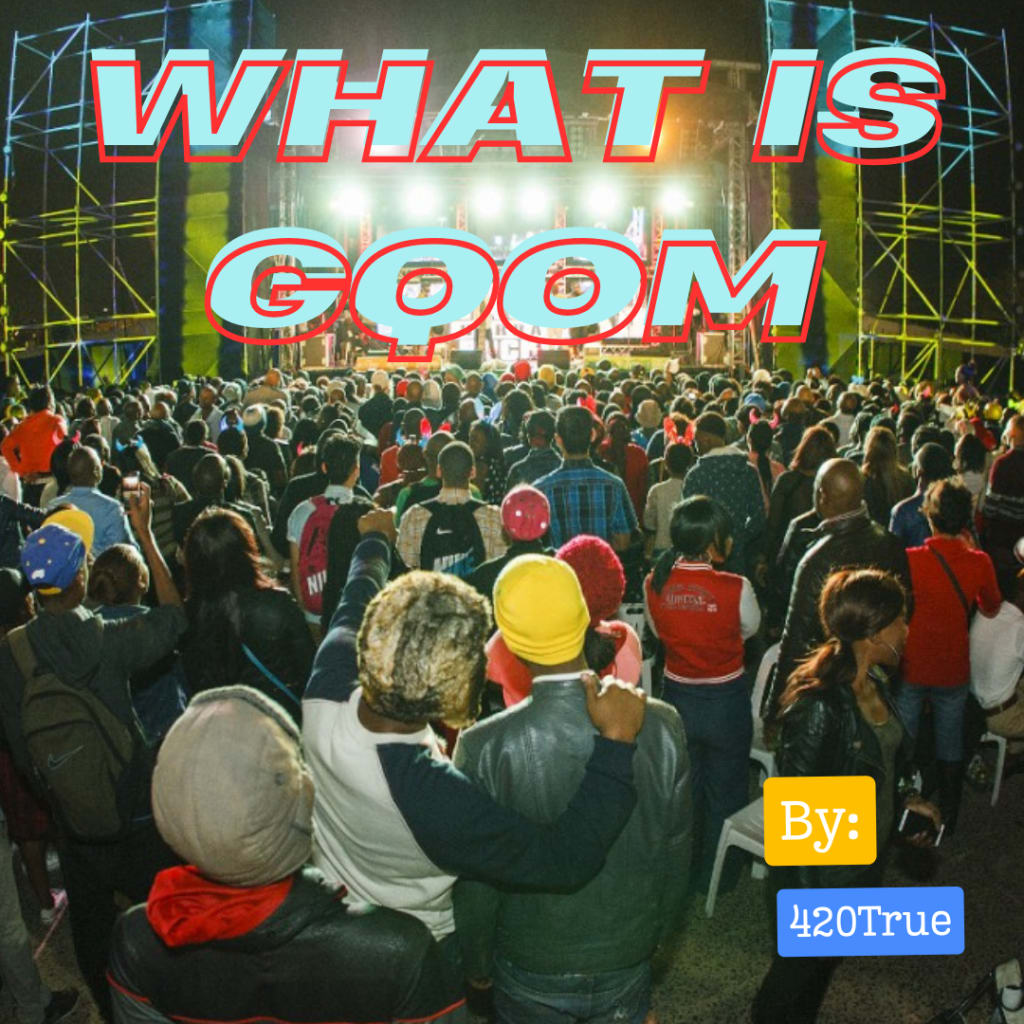
Origin
Gqom is a genre of electronic dance music that originated in the early 2010s in Durban, South Africa. The name "Gqom" is derived from the Zulu word meaning "hit" or "drum." It is characterized by its minimalist, hard-hitting beats, repetitive rhythms, and dark, bass-heavy sounds. Gqom is distinctive for its raw, stripped-down style, which contrasts with the more polished and melodic forms of house music that were popular in South Africa at the time.
The genre emerged from the townships and informal settlements around Durban, where young producers began experimenting with software like Fruity Loops (FL Studio) to create their own unique sound. These early tracks were often shared via social media and local networks, gaining popularity among the youth before catching the attention of the mainstream music industry.
Growth and Development
Early Pioneers
DJ Lag: Often referred to as the "King of Gqom," DJ Lag is one of the most influential figures in the genre. He started producing music in his teenage years and gained international recognition with his raw, energetic tracks. His EP "Trip to New York" helped introduce Gqom to a global audience.
Rudeboyz: This collective of producers played a crucial role in shaping the early sound of Gqom. Their tracks are known for their deep, hypnotic rhythms and have been pivotal in popularizing the genre both locally and internationally.
Distruction Boyz: This duo, consisting of Que and Goldmax, brought Gqom into the mainstream with their hit single "Omunye." Their debut album "Gqom is the Future" solidified their status as leading figures in the genre and contributed to its commercial success.
International Recognition
Gqom's unique sound soon caught the attention of international DJs and producers, leading to a surge in global interest. European labels like Goon Club Allstars and Hyperdub began releasing Gqom tracks, further propelling the genre onto the world stage. Festivals and clubs in Europe and North America started featuring Gqom artists, introducing the genre to new audiences.
Influential Tracks and Albums
"Omunye" by Distruction Boyz: This track became a massive hit and is often credited with bringing Gqom into the mainstream. Its infectious rhythm and catchy hooks made it a favorite in clubs and on radio stations.
"Trip to New York" EP by DJ Lag: This release showcased DJ Lag's innovative production style and helped cement his reputation as a leading figure in the genre. Tracks like "Ice Drop" became anthems in the Gqom scene.
"Gqom Oh! The Sound of Durban" compilation: Released by the Italian label Gqom Oh!, this compilation brought together tracks from various Gqom artists, providing a comprehensive overview of the genre and helping to introduce it to an international audience.
Key Producers and DJs
DJ Lag
As mentioned earlier, DJ Lag is a pioneering figure in Gqom. His innovative production techniques and relentless work ethic have earned him accolades and respect from both fans and fellow musicians. DJ Lag's ability to blend traditional African rhythms with modern electronic sounds has been instrumental in shaping the Gqom genre.
Rudeboyz
The Rudeboyz collective, consisting of Andile-T, Masive Q, and Menchess, has been at the forefront of the Gqom movement since its inception. Their tracks are known for their deep basslines and hypnotic rhythms, which have become hallmarks of the genre. The Rudeboyz have also been influential in mentoring and supporting up-and-coming Gqom artists.
Babes Wodumo
Babes Wodumo is one of the most prominent female artists in the Gqom scene. Her breakout hit "Wololo" brought Gqom to a broader audience and showcased the genre's potential for crossover success. Babes Wodumo's energetic performances and charismatic personality have made her a key figure in the Gqom movement.
Tira
DJ Tira, a well-known figure in the South African music industry, has played a significant role in promoting Gqom. Through his label Afrotainment, he has helped launch the careers of several Gqom artists and has been instrumental in bringing the genre to mainstream audiences. His collaboration with artists like Big Nuz and his involvement in popularizing the Durban sound have been crucial to the growth of Gqom.
Cultural Impact
Gqom has had a profound impact on South African music and culture. It has provided a voice for young, marginalized artists from the townships, allowing them to express their experiences and perspectives through music. The genre's raw, unfiltered sound reflects the realities of life in the townships, resonating with listeners both locally and internationally.
In addition to its musical influence, Gqom has also inspired new dance styles and fashion trends. The energetic, frenetic dance moves associated with Gqom music have become popular in clubs and on social media, while the genre's influence can be seen in streetwear and youth fashion.
Challenges and Future Prospects
Despite its success, Gqom faces several challenges. The genre's underground origins and DIY ethos mean that many artists struggle with issues like piracy, lack of resources, and limited access to mainstream distribution channels. However, the growing interest in African music globally and the rise of digital platforms offer new opportunities for Gqom artists to reach wider audiences.
The future of Gqom looks promising, with new artists and producers continuing to innovate and push the boundaries of the genre. As it evolves, Gqom is likely to incorporate elements from other genres and continue to influence the global music landscape.
Conclusion
Gqom is a vibrant and dynamic genre that has grown from its humble beginnings in the townships of Durban to become a global phenomenon. Its distinctive sound, driven by hard-hitting beats and minimalist production, has resonated with audiences worldwide. Influential figures like DJ Lag, Rudeboyz, Distruction Boyz, and Babes Wodumo have played crucial roles in shaping and promoting the genre. As Gqom continues to evolve, it remains a powerful expression of South African culture and creativity, poised to make an even greater impact on the world stage.
About the Creator
‘A Lot of Fear’: The Families Bearing the Brunt of Sweden’s Immigration Crackdown
Sweden, once widely regarded as one of Europe’s most welcoming destinations for refugees and migrants, is undergoing a profound shift in its immigration policy. In recent years, a tougher stance on asylum, residency, and deportations has taken hold, driven by political pressure, concerns over crime, and the rise of anti-immigration sentiment. While policymakers frame the changes as necessary to restore order and integration, families with migrant backgrounds say they are paying the highest price. For many, the new approach has created an atmosphere of fear, uncertainty, and emotional strain that reaches deep into everyday life.
By Salaar Jamaliabout 4 hours ago in Art
Bone Carvings
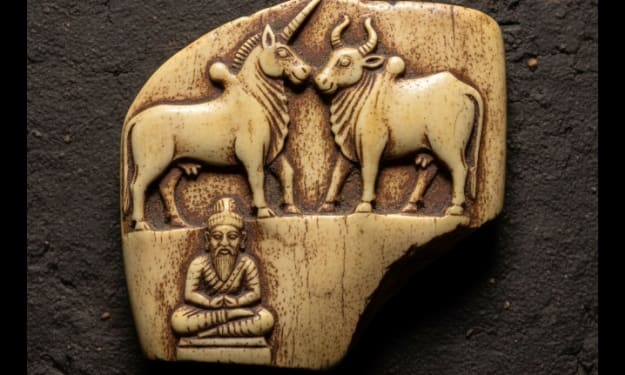
Long before marble statues, bronze sculptures, or digital art, humans carved meaning into what they had closest at hand—stone, wood, and bone. Among these, bone carvings stand as one of the most intimate and haunting art forms ever created. Made from the remains of animals hunted for survival, bone carvings blur the boundary between necessity and creativity, life and death, utility and beauty. Bone carving is not merely an ancient craft; it is a universal language that spans continents, cultures, and centuries. From prehistoric tools etched with symbolic patterns to sacred amulets and intricate modern artworks, bone carvings reveal how humans have always sought to transform mortality into meaning. The Origins of Bone Carving Bone carving dates back tens of thousands of years. Archaeological discoveries show that early humans carved bones to create tools, ornaments, and ritual objects. Unlike stone, bone was easier to shape and carried symbolic value—it came from living beings that sustained human life. Some of the earliest bone carvings include needles, fishhooks, flutes, and figurines found in Ice Age settlements. These objects prove that even in harsh survival conditions, humans made time for art. The act of carving itself became a quiet rebellion against impermanence. Bone was not chosen randomly. It represented strength, continuity, and the transfer of life from one being to another. In many cultures, carving bone was an act of respect rather than destruction. Bone as a Medium: Fragile Yet Powerful Bone is both fragile and resilient. It can crack under pressure, yet it can last thousands of years when preserved. This paradox makes bone a compelling artistic medium. Artists working with bone must understand its natural curves, density, and grain. Unlike wood or stone, bone demands patience and precision. Every mistake is permanent. This difficulty is part of the art’s appeal. Bone carving forces the artist to collaborate with nature rather than dominate it. The result is often intimate, organic, and deeply personal. Cultural Significance Across the World Bone carvings appear in nearly every ancient civilization, each with unique meanings and styles. Indigenous Arctic cultures carved bone and ivory into tools, masks, and spiritual figures, often depicting animals that guided their survival. African societies used bone carvings in ritual objects, symbolizing ancestry, protection, and communication with spirits. Asian traditions, particularly in Tibet and China, carved bone into prayer beads, amulets, and symbolic ornaments associated with impermanence and enlightenment. Polynesian and Maori cultures created intricate bone pendants that represented identity, lineage, and spiritual power. In many societies, bone carvings were never considered “decorative.” They were sacred objects, carrying energy, memory, and purpose. Symbolism: Life, Death, and Transformation At the heart of bone carving lies symbolism. Bone represents what remains after life has passed, making it a powerful metaphor for endurance and transformation. Carving bone is often interpreted as: Turning death into beauty Honoring the spirit of an animal Preserving memory beyond mortality Accepting impermanence while creating permanence Many spiritual traditions view bone carvings as reminders that life and death are not opposites, but parts of the same cycle. Bone Carvings as Functional Art Historically, bone carvings were not displayed in galleries. They were worn, held, used, and trusted. Combs, buttons, weapon handles, musical instruments, and tools were often decorated with carvings. This fusion of function and art challenges modern ideas about creativity. Bone carvings prove that art does not need a frame or a pedestal—it can live in the hands of everyday people. The Ethics of Bone Carving In the modern world, bone carving raises ethical questions. Conservation laws and animal rights concerns have reshaped how artists source materials. Today, responsible bone carving relies on: Naturally deceased animals Recycled or archaeological bone (where legal) Agricultural byproducts Many contemporary artists emphasize respect and sustainability, ensuring that the craft does not exploit wildlife. This ethical shift has given bone carving a renewed moral dimension, aligning ancient traditions with modern values. Modern Bone Carving: A Revival Despite being ancient, bone carving has not disappeared. In fact, it is experiencing a quiet revival. Contemporary artists use bone to explore themes such as: Identity and ancestry Environmental loss Mortality and memory Human connection to nature Modern bone carvings often combine traditional techniques with abstract forms, transforming the medium into a bridge between past and present. Social media and independent art platforms have also helped bring this hidden art form into public view, allowing global audiences to appreciate its depth. Bone Carvings in Museums and Galleries Major museums around the world preserve bone carvings as historical treasures. These artifacts offer rare insight into how early humans thought, believed, and expressed themselves. However, bone carvings still exist on the margins of the art world. They challenge conventional ideas of beauty and comfort, forcing viewers to confront mortality and material truth. This discomfort is precisely what gives bone carvings their power. Why Bone Carvings Still Matter In an age dominated by digital art and mass production, bone carvings remind us of something essential: art is born from touch, time, and intention. They tell stories without words. They connect us to ancestors we will never meet. They remind us that creativity existed long before comfort. Bone carvings are not relics of the past—they are mirrors reflecting humanity’s oldest questions. Conclusion: Art That Refuses to Fade Bone carvings stand at the intersection of survival and spirituality, art and memory. They are carved from what remains, yet they endure. In every groove and pattern lies a silent message: humans have always created meaning, even from loss. Bone carvings are not just art. They are proof that creativity survives—even after life has passed.
By Zahid Hussain2 days ago in Art


Comments
There are no comments for this story
Be the first to respond and start the conversation.