
What is China's Lantern Festival?
The Lantern Festival, also known as the Shangyuan Festival or Yuanxiao Festival, is a traditional Chinese celebration held on the 15th day of the first lunar month.

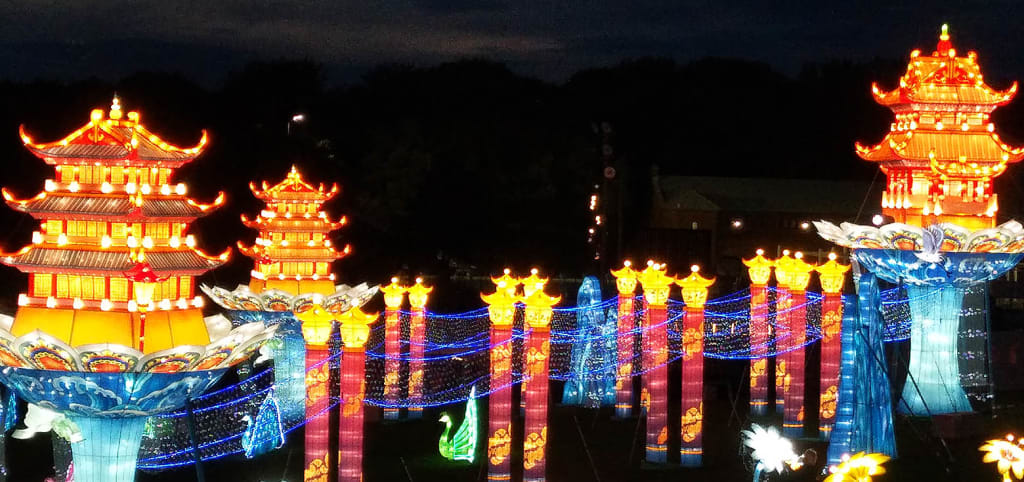
The Lantern Festival, also known as the Shangyuan Festival or Yuanxiao Festival, is a traditional Chinese celebration held on the 15th day of the first lunar month, marking the culmination of the Chinese New Year festivities. With a history spanning over 2,000 years, it originated during the Han Dynasty (206 BC–220 AD) and flourished during the Tang (618–907) and Song (960–1279) dynasties. Below is a comprehensive overview of its significance, customs, and global influence:
1.Origins and Historical Development
Roots in Han Dynasty: Initially linked to Buddhist rituals of lighting lanterns to honor Buddha and Taoist celebrations of the "Three Primes" (Sanyuan), it later evolved into a secular festival under Emperor Ming of the Eastern Han Dynasty, who promoted lantern lighting in temples.
Imperial Endorsement: Emperor Wu of Han designated the day for worshipping the deity Taiyi, while Tang Dynasty rulers extended celebrations with grand lantern fairs and lifted curfews for three nights of revelry
2.Key Traditions and Customs
Lantern Displays
Streets and parks glow with intricate lanterns shaped like dragons, phoenixes, flowers, and zodiac animals. Notable exhibitions include Zigong Lantern Show (Sichuan) and Qinhuai Lantern Show (Nanjing).Chinese painting lantern manufacturers have profound insights into the making of Chinese lanterns.
Symbolism: Lanterns represent hope, prosperity, and dispelling darkness.
Eating Tangyuan/Yuanxiao
Sweet or savory glutinous rice balls (汤圆 tangyuan in the south, 元宵 yuanxiao in the north) filled with sesame, red bean paste, or minced meat symbolize family unity and harmony.
Guessing Lantern Riddles
Riddles written on lanterns challenge visitors’ wit, with prizes for correct answers—a tradition dating to the Song Dynasty.
Cultural Performances
Dragon and lion dances, stilt-walking, and Yangko folk dances enliven streets, believed to ward off evil spirits.
Romantic Connections
Historically, the festival served as a "Chinese Valentine’s Day", offering rare opportunities for unmarried women to socialize under lantern-lit nights.
3.Cultural and Modern Significance
Unity and Heritage: The festival embodies family reunion and communal joy, inscribed as a National Intangible Cultural Heritage in 2008.
Modern Innovations: Traditional lanterns now blend with LED displays, VR experiences, and drone light shows, while online riddle games attract younger generations.
4.Regional Variations
North vs. South: Northern China rolls yuanxiao (元宵) with solid fillings, while southerners wrap tangyuan (汤圆) with diverse fillings.
Local Highlights:
Harbin Ice Lantern Festival: Ice sculptures illuminated by colorful lights.
Fujian’s "Vegetable Stealing": A playful custom symbolizing luck
6.Global Influence
Cultural Export:
Celebrated in Japan, Korea, Vietnam, and overseas Chinatowns with lantern parades and tangyuan tastings.
Major cities like Auckland and London host annual lantern festivals, attracting millions.
Soft Power:
Confucius Institutes and diplomatic events showcase the festival’s artistry, while brands like Starbucks release Lantern Festival-themed products
The Lantern Festival, a radiant tapestry woven from China’s 2,000-year-old heritage, has evolved into a dynamic symbol of cultural diplomacy and creative innovation. Confucius Institutes and diplomatic events serve as pivotal platforms for showcasing the festival’s artistry, blending tradition with modernity. For instance, during the 2024 China International Confucius Cultural Festival in Qufu, over 370 global delegates from 36 countries witnessed ceremonial rituals at the Confucius Temple, where LED-lit dragon lanterns danced alongside classical recitations of the Analects. Such events not only honor Confucian values of harmony and education but also reinterpret them through immersive technologies like virtual reality temple tours, bridging ancient philosophy with digital engagement for younger audiences.
Meanwhile, international brands like Starbucks have mastered the art of cultural resonance through Lantern Festival-themed products. In 2025, Starbucks’ limited-edition “Lunar Blessings” collection captivated consumers by fusing traditional motifs—such as crimson lanterns and gold-embossed calligraphy—with interactive designs. A cup’s blank lid invited users to sketch personal wishes, sparking the viral hashtag #LanternLightCreativity, which garnered 500 million impressions globally. This synergy of commerce and culture transforms festive symbols into “social currency,” enabling even those unfamiliar with Chinese traditions to participate in its legacy.
As a luminous bridge between eras, the Lantern Festival’s journey from spiritual observance to global phenomenon mirrors China’s cultural soft power strategy. Ancient practices like solving lantern riddles now thrive in digital realms, with apps like Zhongguo Dengmi (中国灯谜) hosting real-time competitions across continents. Similarly, cities like London and Sydney host annual lantern parades featuring hybrid installations—traditional silk lanterns illuminated by solar-powered LEDs, symbolizing sustainability alongside heritage. These innovations underscore the festival’s message of unity and renewal, as communities worldwide gather under the glow of shared aspirations.
About the Creator
Painting Lantern
Chinese lanterns are the symbol of festival activities,and we have excellent quality.
View our website: www.paintinglantern.com
Keep reading
More stories from Painting Lantern and writers in Art and other communities.
What a perfect blend — Christmas with Chinese lanterns!
1. Differences in Cultural Backgrounds Christmas Lights (Western Tradition): Originating in the West and tied to Christian traditions, they symbolize "Jesus as the light of the world." Modern Christmas lights (e.g., tree decorations, street displays) represent joy, hope, and festive ambiance, especially in Europe and North America, where they are central to seasonal celebrations.
By Painting Lantern2 months ago in Art
What Voice Cloning Technology Means for Creators and Digital Identity
The rise of artificial intelligence has reshaped the creative landscape in countless ways, from AI-generated visual art to automated music composition, and one of the most intriguing frontiers today is voice cloning. With tools that let users clone your voice using only a short sample of speech, creators and digital communicators are discovering new ways to produce audio content that feels natural and expressive.
By aliyashahzadi7 days ago in Art
“What If It Happens?”
Monday, 11 April 2022 Ishrat Jahan One of our friends, Mr. Farooq, is a middle-aged man, yet he has still not been able to free himself from his deeply suspicious and fearful nature. These days, I happened to have some free time, so I thought it would be a good idea to meet him and try to untangle the puzzle of his constant worries. By coincidence, he himself arrived at my humble home, jolting along in a rickshaw.
By Sudais Zakwanabout 17 hours ago in Art




Comments
There are no comments for this story
Be the first to respond and start the conversation.