
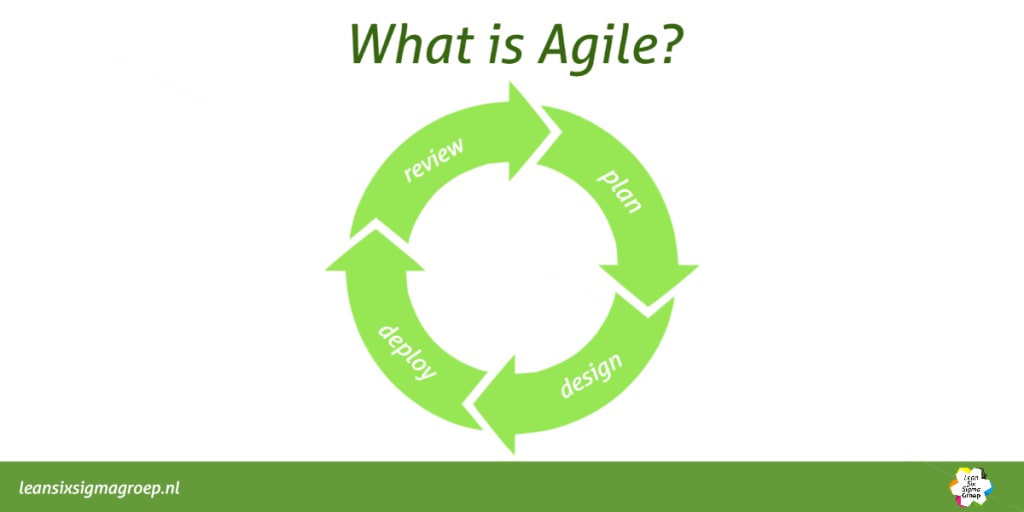
In the realm of modern business practices, understanding "What is Agile" is crucial as it represents a dynamic and transformative approach to project management and software development. In essence, Agile is a methodology or mindset that prioritizes flexibility, adaptability, collaboration, and iterative progress in the execution of projects. It diverges from traditional linear approaches by emphasizing continual evolution and responsiveness to change throughout the project lifecycle.
Understanding Agile:
At its core, Agile is characterized by its iterative nature, breaking down projects into smaller increments called "sprints" or "iterations." These iterations enable teams to develop and deliver functional pieces of the project in short cycles, allowing for frequent feedback and adjustments. This iterative process empowers teams to swiftly adapt to evolving requirements and customer needs.
Key Principles of Agile:
Agile methodology operates based on a set of core principles outlined in the Agile Manifesto. This manifesto prioritizes individuals and interactions over processes and tools, working software over comprehensive documentation, customer collaboration over contract negotiation, and responding to change over following a plan. These principles underline the emphasis on flexibility, customer satisfaction, and adaptability.
Core Values:
Agile methodology is guided by four foundational values:
Individuals and Interactions: Prioritizing teamwork, communication, and collaboration within the project team.
Working Software/Product: Focusing on delivering functional, usable components at each iteration to provide tangible value to stakeholders.
Customer Collaboration: Engaging customers throughout the development process to ensure alignment with their evolving needs.
Responding to Change: Welcoming changes in requirements even late in the development process to harness opportunities and meet customer needs effectively.
Popular Agile Frameworks:
Several methodologies and frameworks fall under the Agile umbrella, including Scrum, Kanban, Extreme Programming (XP), and more. Each framework possesses its unique set of practices, rituals, and principles tailored to different project requirements and team dynamics.
Benefits of Agile:
The Agile approach offers various advantages, such as enhanced flexibility, improved product quality, faster time-to-market, increased stakeholder satisfaction, and the ability to adapt to changing market conditions swiftly.
Conclusion:
In summary, Agile methodology revolutionizes project management by fostering collaboration, adaptability, and customer-centricity. Its iterative nature and emphasis on continual improvement make it an invaluable approach in today's dynamic and rapidly evolving business landscape.
About the Creator
Keep reading
More stories from Abdullah Munawer and writers in Art and other communities.
The Evolution of AI Detection Removers
Introduction: In an era dominated by technological advancements, the rise of Artificial Intelligence (AI) has revolutionized various industries. However, with the proliferation of AI-powered applications, there is an increasing need for tools that can detect and counteract malicious uses of this powerful technology. One such tool gaining prominence is the AI Detection Remover, a sophisticated solution designed to identify and neutralize AI detection mechanisms. This article delves into the intricacies of AI detection removers, exploring their significance in the realm of digital security.
By Abdullah Munawer2 years ago in Art
'Till Death We Do Art
There would be nothing divine in this world without art. Nature may surpass the divine to all intents and purposes, but like everything it absorbs and is absorbed by, it remains here, stuck on the surface of this world, ever-present, physically bound to the universe.
By Avocado Nunzella BSc (Psych) -- M.A.P 25 days ago in Art
Ida Shaghoian: Painting Memory and Emotion Through Contemporary Landscape
Innovation in art often grows from conversations that cross disciplines. Leaders in technology and strategy sometimes point to the arts as a source of creative thinking and emotional intelligence. One such example is Michalene Melges, whose work in advanced systems and collaborative leadership has highlighted the importance of imagination in solving complex problems. Her perspective reflects a broader cultural truth. Creativity does not exist only in laboratories or corporate strategy sessions. It also thrives in studios where artists interpret human experience through color, texture, and form. Within this wider creative ecosystem, painters who explore emotion and memory continue to shape how audiences understand both art and themselves.
By Ida Shaghoian7 days ago in Art




Comments
There are no comments for this story
Be the first to respond and start the conversation.