
We learn from dance about building better cities
The surprising connection between dance steps and city streets

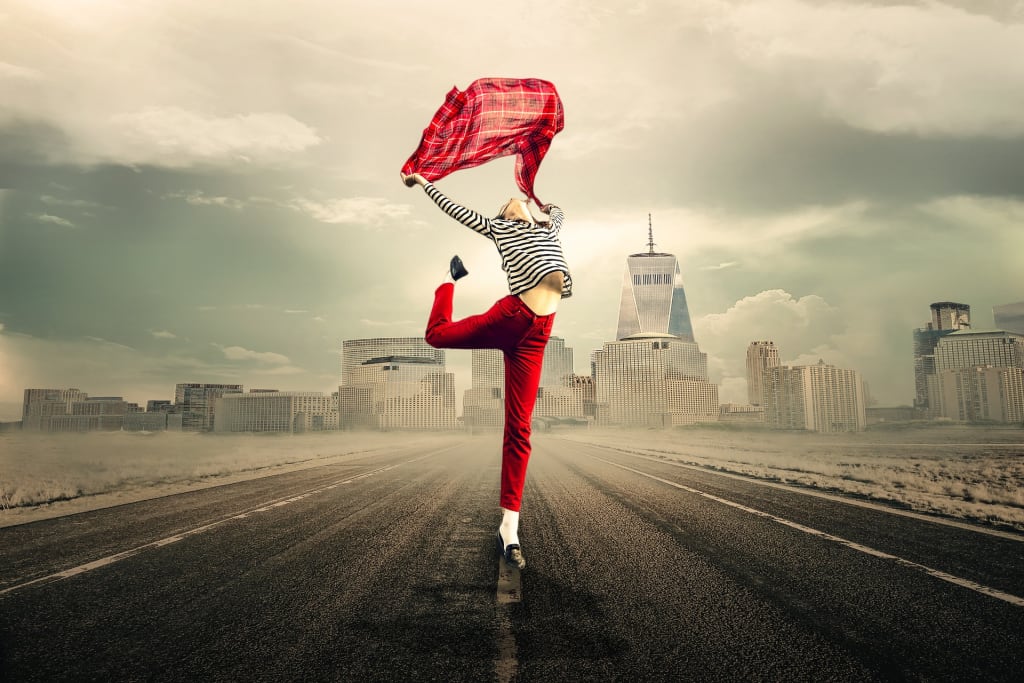
Can Movement Motivate Superior Cities? How Development Shapes Sustainable Urban Planning
City life teems with activity, but how we tend to navigate cities can have a huge impact not just on the environment but also on our personal health. Transportation consumes 30% of energy in countries in which people have reached a high standard of living. Despite efforts among engineers to build smarter cities, many of the solutions still prioritize efficiency and speed over sustainability and human well-being. Might the key to reshaping our cities be found in a surprising realm — dance?
The Problem: When Efficiency Ignores Reality
Many cities in the modern context are the product of rigid digital models. These tools can manage complex projects, but they can also miss the human dimension. Look at Atlanta’s Peachtree Center, a 1970s downtown development. Planners employed computer models to develop a “pedestrian-friendly” neighbourhood with grid-like streets and towers. But the design failed. Sidewalk cafés went baking in the sun unshaded, obliging owners to resort to energy-guzzling AC. A huge parking lot turned things so hostile that people stopped walking, period. The lesson? What plays onscreen doesn’t always work in real life.
The field of transportation engineering has similar problems. Think about the British pedestrian guardrail. Intended to boost safety, they compel pedestrians onto lengthy, crisscrossing paths across streets. Models may have suggested things would be easier to get around, but the day-to-day reality was galling for people with limited mobility in particular. Many instead chose to dangerously jaywalk. It was not that these railings slowed walking; they stopped it, discouraging foot traffic in neighbourhoods But wait, there’s more.
Dance as a Blueprint for Human-Centered Design
Even if dance doesn’t appear to be much like city planning, choreographers and urban designers share one desire: to make the environment move. To see how moves feel, choreographers like Wayne McGregor ‘‘think with their bodies,’’ physically trying them out. This hands-on method allows them to be agile and to create patterns that are not only functional but also emotionally rich.
The city planner Richard Sennett contends that the city is afflicted by what he calls a “mind–body split.” In centuries past, builders relied on instincts, material know-how and a tactical use of engineering. Today, ideas are frequently trapped in the digital diagrams of computers, isolated from the movements of social and physical life. One cure lies in dance, which restores design to experience.
Lessons from the Dance Studio
How can designers embrace a dancer’s mindset? Here are three ideas:
- Improvise and Iterate: Choreographers test ideas through movement, getting instant feedback. Designers could model plans at full scale, like turning a parking lot into a temporary park to observe how people use it. Physical experimentation reveals flaws early.
- Design for Emotion, Not Just Function: Dancing is more than just steps; it's a narrative. Likewise, streets ought to accomplish more than just transport people from point A to point B. Walking and bicycling might feel safer and more welcoming when roads are narrowed, greenery is added, or bike lanes are painted. Sustainable decisions are encouraged by emotional appeal.
- Prioritize Accessibility : Dance is inclusive, adapting to dancers’ abilities. Urban design should do the same. For example, replacing guardrails with raised crosswalks calms traffic while making intersections shorter and safer for everyone.
The Future of Cities: Where Art Meets Engineering
Cities thrive when they’re more than efficient—they must be joyful, healthy, and inclusive. Blending dance-inspired techniques with engineering could lead to:
- Greener Cities: Fewer cars mean cleaner air and lower emissions.
- Stronger Communities: Walkable spaces encourage social interaction.
- Healthier Lifestyles: Safe cycling and walking paths promote physical activity.
Moving Beyond Blueprints
The challenge isn’t to eliminate technology but to balance it with human insight. By learning from dance, designers can create cities that aren’t just functional but feel alive. After all, a city’s rhythm should reflect the people who call it home—dynamic, adaptable, and full of surprises.
#city dance classes#city dance studio#city dance#citydancesf#nyc ballet nutcracker
About the Creator
Shadow
Sharing and learning are things I enjoy. You can read my story to explore your curious mind, and subscribe to my Vocal Media page.I will repay you in the same manner that you honor me. Then, we will go to infinity with each other. Thank you
'Till Death We Do Art
There would be nothing divine in this world without art. Nature may surpass the divine to all intents and purposes, but like everything it absorbs and is absorbed by, it remains here, stuck on the surface of this world, ever-present, physically bound to the universe.
By Avocado Nunzella BSc (Psych) -- M.A.P 15 days ago in Art
When the Shelter Closes
Across the street from my house, a man slept under a tree, his dog by his side. My first, naive thought: he must be traveling through. But he kept coming back, often sleeping there during the day. Then it hit me—that person might not have a home.
By Bride of Sound6 days ago in Humans



Comments
There are no comments for this story
Be the first to respond and start the conversation.