
Unveiling the Mysterious World of 'Shan Hai Jing'
A Glimpse into Ancient Chinese Mythology and Lore
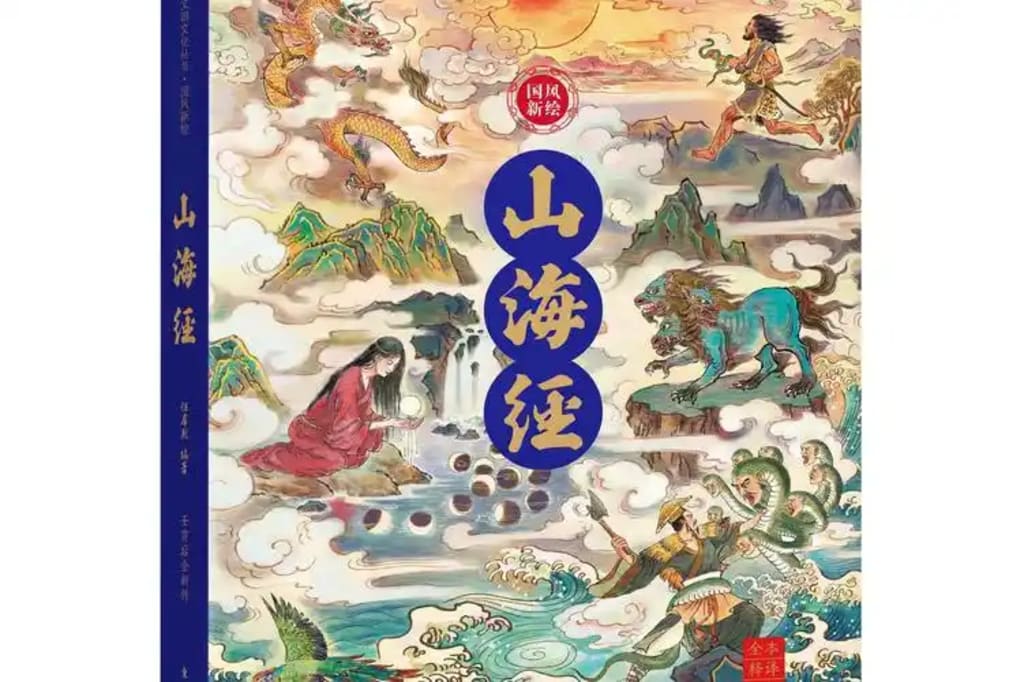
In the vast pantheon of Chinese literature, few works are as captivating, enigmatic, and influential as the "Shan Hai Jing," often translated as "Classic of Mountains and Seas." This ancient text, a compendium of myths, legends, geography, and natural history, offers a unique window into the rich cultural heritage of China, dating back thousands of years.
The Origins and Composition of 'Shan Hai Jing'
The exact origin of the "Shan Hai Jing" remains a subject of debate among scholars. It is believed to have been compiled over a long period, perhaps starting as early as the Warring States period (475 - 221 BCE) and continuing through the Han Dynasty (202 BCE - 220 CE). The text is thought to be a collective effort, incorporating the knowledge and stories passed down through generations, as well as accounts from travelers, scholars, and shamans.
The "Shan Hai Jing" is divided into 18 chapters, which can be broadly grouped into two main parts: the "Mountain Seas" section and the "Wilderness" section. The "Mountain Seas" part describes the geography of China, including mountains, rivers, and seas, as well as the strange creatures, plants, and minerals that inhabit these regions. The "Wilderness" section, on the other hand, focuses more on the mythological and legendary aspects, featuring tales of gods, goddesses, heroes, and strange tribes.
A Menagerie of Mythical Creatures
One of the most fascinating aspects of the "Shan Hai Jing" is its vivid descriptions of mythical creatures. From the fearsome Nine - tailed Fox, a symbol of beauty and wisdom in Chinese mythology, to the giant Kun Fish that can transform into a magnificent Peng Bird, the creatures in the "Shan Hai Jing" are both terrifying and enchanting.
Take, for example, the Qilin, a benevolent and auspicious creature often depicted as a cross between a deer and a horse, with a single horn on its head. The Qilin is said to appear only during times of peace and prosperity, and its presence is considered a sign of good fortune. Another notable creature is the Phoenix, a mythical bird that is reborn from its own ashes. The Phoenix is a symbol of renewal and immortality in Chinese culture.
These mythical creatures not only add a sense of wonder and mystery to the "Shan Hai Jing" but also reflect the ancient Chinese people's understanding of the world and their place in it. They are often associated with natural phenomena, such as the changing seasons, the movement of the stars, and the power of the elements.
Mythology and Legends
In addition to its descriptions of mythical creatures, the "Shan Hai Jing" is also a treasure trove of Chinese mythology and legends. It tells the stories of the creation of the world, the adventures of the gods and goddesses, and the heroic deeds of ancient heroes.
One of the most famous stories in the "Shan Hai Jing" is the tale of Nuwa, the goddess who created humanity. According to the legend, Nuwa used yellow clay to mold human figures, breathing life into them. When the sky began to collapse and the earth was flooded, Nuwa melted stones to repair the sky and saved humanity from destruction.
Another well - known story is the legend of Hou Yi, the archer who shot down nine suns to save the earth from scorching. In gratitude, the Queen Mother of the West gave Hou Yi the elixir of immortality, but his wife, Chang'e, stole the elixir and flew to the moon, where she became the moon goddess.
These myths and legends not only entertain but also convey important moral and cultural values. They teach the importance of courage, perseverance, and selflessness, as well as the relationship between humans and nature.
Geographical and Natural History Accounts
The "Shan Hai Jing" also provides valuable insights into the ancient Chinese understanding of geography and natural history. It describes the layout of the land, the location of mountains, rivers, and seas, and the distribution of plants and animals.
Some of the geographical descriptions in the "Shan Hai Jing" are surprisingly accurate, considering the limited knowledge of the ancient world. For example, it mentions the Yellow River, the Yangtze River, and the Himalayas, as well as the existence of distant lands and strange tribes. The text also describes a variety of plants and animals, some of which are still found in China today, while others are purely mythical.
These geographical and natural history accounts not only reflect the ancient Chinese people's curiosity about the world but also serve as a record of the natural environment of that time. They provide valuable information for modern scholars studying the history of geography, biology, and anthropology.
Influence and Significance
The "Shan Hai Jing" has had a profound influence on Chinese culture and literature. It has inspired countless works of art, literature, and film, and its influence can be seen in everything from traditional Chinese paintings to modern - day fantasy novels.
The mythical creatures and stories in the "Shan Hai Jing" have also become an integral part of Chinese folklore and popular culture. They are often used in festivals, ceremonies, and traditional performances, and their images can be found on everything from porcelain and textiles to modern - day advertising.
In addition to its cultural significance, the "Shan Hai Jing" is also a valuable source of historical and archaeological information. It provides insights into the beliefs, customs, and social structures of ancient China, as well as the natural environment of that time.
In conclusion, the "Shan Hai Jing" is a remarkable work of literature that offers a unique glimpse into the ancient Chinese world. Its rich tapestry of mythical creatures, legends, and geographical accounts continues to captivate readers around the world, and its influence on Chinese culture and literature is undeniable. Whether you are interested in mythology, history, or simply looking for a good read, the "Shan Hai Jing" is sure to leave you spellbound.
About the Creator
hello-word
As a Chinese person, love for the culture of my own country. Nowadays, the global exchange of information is becoming increasingly rapid. I also hope that more people can gain a deeper and more detailed understanding of Chinese culture.
Keep reading
More stories from hello-word and writers in Art and other communities.
Bi'an
In the 谱系 of mythical beasts in traditional Chinese culture, Bi'an (bì àn) stands out as a highly recognizable figure. As one of the "nine sons of the dragon," unlike Qiuniu, which exudes elegance, or Yazi, known for its ferocity, Bi'an has become a symbol of judicial culture with its unique mission of "guarding justice." Although there are no records of Bi'an in Shan Hai Jing (Classic of Mountains and Seas), over the course of a thousand years of cultural evolution, it has transitioned from a folk legend to a prominent presence in the halls of power, gazing with its majestic eyes upon humanity's eternal pursuit of fairness.
By hello-word9 months ago in Art
Why Strategic Branding Is Essential for Long-Term Business Growth
In today’s fast-paced digital environment, businesses face constant pressure to stand out. Consumers are exposed to endless choices every day, making attention harder to earn and trust harder to keep. While quality products and services are important, they are no longer the only factors that determine success. Strategic branding plays a key role in helping businesses grow steadily and remain relevant over time.
By Ayush Bagwari2 days ago in Art


Comments
There are no comments for this story
Be the first to respond and start the conversation.