
Understanding Parkinson's Disease and Its Treatment
Parkinson's Disease And Exploring Innovative Treatment Options

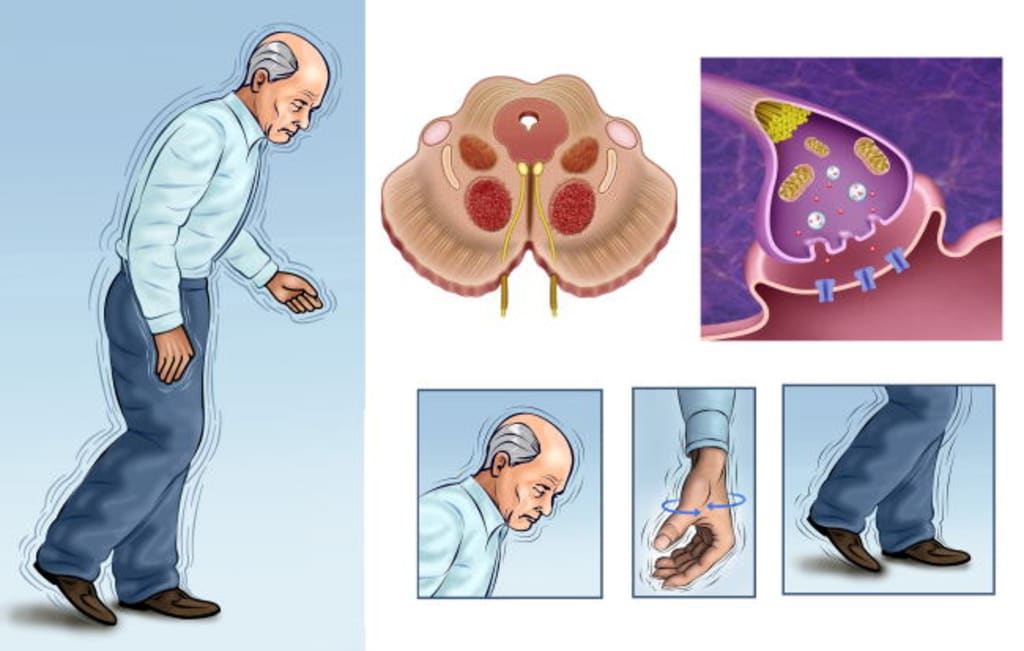
Introduction to Parkinson's Disease
Parkinson's disease (PD) is a progressive neurodegenerative disorder that primarily affects movement. It occurs due to the degeneration of dopamine-producing neurons in the substantia nigra, a critical area of the brain that regulates motor control. The onset of Parkinson's can be subtle, often beginning with mild tremors, stiffness, and bradykinesia (slowness of movement). As the disease progresses, it can lead to a variety of symptoms, including balance difficulties, cognitive decline, and mood disturbances.
Causes and Risk Factors
The exact cause of Parkinson's disease remains unknown, but it is believed to involve a combination of genetic and environmental factors. The age of onset typically occurs in middle to late adulthood, with the majority of patients diagnosed after the age of 60.
Treatment Approaches
1. Medications
The primary approach to managing Parkinson's disease is pharmacological treatment. The most commonly prescribed medication is Levodopa (often combined with Carbidopa), which helps replenish dopamine levels in the brain and improves motor symptoms. Other medications used include dopamine agonists, MAO-B inhibitors, and anticholinergic drugs, each of which can target specific symptoms and side effects.
2. Physical Therapy
Engaging in physical therapy is crucial for patients as it helps improve mobility, strength, and balance. Tailored exercise programs can aid in maintaining independence and enhancing the quality of life.
3. Speech Therapy
Many individuals with Parkinson's disease experience speech difficulties. Speech therapists can assist in developing communication strategies and improving vocal strength to help patients express themselves more effectively.
4. Occupational Therapy
Occupational therapy focuses on helping patients maintain their daily living skills and adapt their environments to improve functionality and safety. This can include assistance with tasks like dressing, cooking, and managing time efficiently.
5. Deep Brain Stimulation (DBS)
For patients with advanced Parkinson's disease who do not achieve adequate control of symptoms through medication, Deep Brain Stimulation may be an option. This surgical procedure involves implanting electrodes in specific areas of the brain to regulate abnormal impulses and alleviate motor symptoms.
6. Lifestyle Modifications
Incorporating a healthy diet, regular exercise, and adequate sleep can contribute significantly to symptom management and overall wellness. Support groups and counseling can also provide emotional support for both patients and caregivers, fostering a sense of community.
7. Research and Future Treatments
Ongoing research is focused on understanding the pathology of Parkinson's disease and exploring innovative treatment options, including gene therapy and neuroprotective strategies. Advances in research may lead to new therapeutic options that could alter the course of the disease.
Conclusion
In conclusion, while there is currently no cure for Parkinson's disease, a multifaceted treatment approach can significantly improve the quality of life for those affected. It is essential for patients to work closely with their healthcare team to tailor treatments according to individual symptoms and needs.
About the Creator
DRISS EL FANI
Iwrite to explore the human experience, sharing stories that connect and inspire. From personal insights to global perspectives, join me in discovering the moments that shape our lives."
Keep reading
More stories from DRISS EL FANI and writers in Art and other communities.
Marrakesh’s Oasis Of Art, Nature, And History
Jardin Majorelle: Marrakesh’s Oasis of Art, Nature, and History In the heart of bustling Marrakesh lies one of Morocco’s most cherished landmarks: Jardin Majorelle. This enchanting garden is not only a vibrant oasis of exotic plants and peaceful pathways but also a cultural treasure with a fascinating history
By DRISS EL FANIabout a year ago in Art
The Uncopiable Human Wit to Write
We all have been in that spot at least once in our schooldays where we have been wringing our brains off to curate written articles of some sort until our soul-less friends were born. At just four years old, our beloved soul-less, metallic, digital assistant who is always by our side when we turn on our computers and smart phones, will be doing much more than curating written content for us all, if you know what I mean.
By Sound Savvy7 days ago in Art


Comments
There are no comments for this story
Be the first to respond and start the conversation.