
Transform Your Space with Textured Wallpaper: Ideas and Inspiration
wallpaper
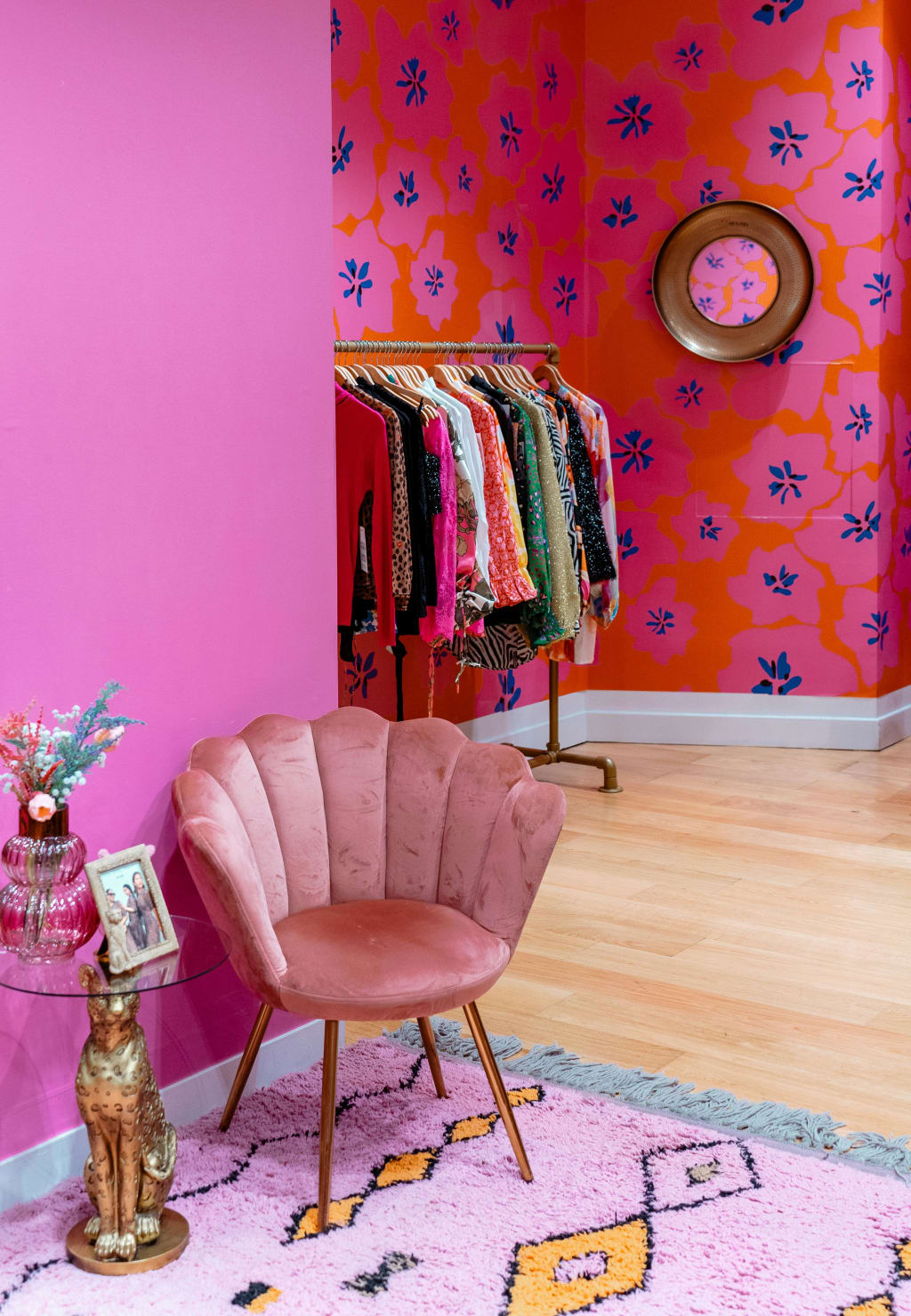
In the world of interior design, wallpaper has made a strong comeback, with textured wallpaper leading the charge in creating captivating, dynamic spaces. Textured wallpaper adds depth, warmth, and character to walls, turning a mundane room into a vibrant, visually appealing environment. Whether you’re looking to add a subtle touch or make a bold statement, textured wallpaper offers endless possibilities. Here’s how you can transform your space with textured wallpaper, complete with ideas and inspiration.
1. Understanding Textured Wallpaper
Textured wallpaper comes in various materials, patterns, and finishes, providing options to suit every style and preference. Common textures include:
Grasscloth: Made from natural fibers, grasscloth adds an organic feel to spaces and is perfect for creating a serene environment.
Vinyl: Durable and easy to clean, vinyl textured wallpaper can mimic other materials such as wood, stone, or fabric.
Fabric: Luxurious fabric wallpapers can add elegance and warmth, making them ideal for bedrooms or formal living areas.
3D Wallpaper: Innovative designs create a three-dimensional effect, adding a contemporary touch to any room.
Benefits of Textured Wallpaper:

Depth and Dimension: Textured wallpaper adds visual interest, making walls feel less flat and more engaging.
Sound Absorption: Some textured wallpapers help absorb sound, creating a quieter and more comfortable space.
Concealing Imperfections: Textured surfaces can help disguise wall imperfections, providing a more polished look.
2. Choosing the Right Texture for Your Space
When selecting textured wallpaper, consider the overall mood and style you want to achieve in the room. Here are some tips for choosing the right texture:
Room Purpose: For living rooms or dining areas, consider wallpapers that evoke warmth and conversation, such as fabric or grasscloth. In bedrooms, softer textures can create a cozy retreat.
Color Schemes: Light-colored textured wallpaper can make a small room feel larger, while darker colors can add intimacy and drama. Consider the existing color palette when making your choice.
Design Aesthetic: Align the wallpaper choice with your design style. For instance, a modern space may benefit from sleek, geometric textures, while a bohemian style can embrace more organic, nature-inspired patterns.
3. Accent Walls: A Bold Statement
One of the easiest ways to incorporate textured wallpaper is through an accent wall. By focusing on one wall, you can create a striking feature without overwhelming the entire room.
Accent Wall Ideas:
Behind the Bed: In a bedroom, apply textured wallpaper behind the bed to create a stunning focal point that draws attention and enhances the room’s ambiance.
Living Room Feature: Use textured wallpaper behind a media unit or fireplace to create a captivating backdrop for your furniture and decor.
Entryway: Transform a bland entryway with a textured wallpaper accent wall, welcoming guests with style and sophistication.
Write a comment
4. Layering Textures for Depth
Combining different textures in a room can add depth and interest. Consider layering textured wallpaper with other materials and elements to create a harmonious design.
Layering Techniques:
Mixing Materials: Pair textured wallpaper with other materials like wood, metal, or glass to create a well-rounded look. For example, a grasscloth wallpaper can beautifully complement wooden furniture or metal accents.
Complementary Textures: Use a textured wallpaper in conjunction with textured fabrics, such as plush cushions or woven throws, to create a cohesive look that invites comfort and warmth.
5. Incorporating Color and Patterns
Textured wallpaper doesn’t have to be monochromatic. Incorporating color and patterns can elevate your design and make a bold statement.
Color and Pattern Ideas:
Bold Patterns: Opt for large-scale patterns that catch the eye and create a focal point in the room. Floral, geometric, or abstract patterns can transform your space dramatically.
Subtle Textures with Color: Choose wallpapers with a subtle texture in a vibrant color to add interest without overwhelming the senses. A soft blue or muted green can create a calming atmosphere.
Contrasting Textures: Use contrasting textures, such as a rough textured wallpaper paired with smooth furnishings, to create an exciting visual dynamic.
6. Room-by-Room Inspiration
Living Room

In the living room, consider a textured wallpaper that mimics natural materials like stone or brick. This can add a rustic charm while remaining modern. Pair it with a sleek sofa and minimal decor to balance the look.
Bedroom
For a serene bedroom retreat, soft grasscloth wallpaper in light tones can create a peaceful atmosphere. Add layered bedding and textured throw pillows for a cozy feel.
Bathroom
In bathrooms, vinyl textured wallpaper that resembles tile or marble can provide a luxurious look without the high maintenance. It’s water-resistant and easy to clean, making it a practical choice.
Home Office
A home office can benefit from a textured wallpaper that inspires creativity. Opt for a geometric design in a bright color to energize the space, complementing it with sleek office furniture.
7. DIY Installation Tips
Installing textured wallpaper can be a rewarding DIY project. Here are some tips to ensure a successful application:
Prepare Your Walls: Clean and smooth the wall surface before application. Remove any old wallpaper and fill in holes or cracks for a flat surface.
Write a comment
Measure Accurately: Measure your walls carefully and calculate how much wallpaper you will need. It’s wise to order a little extra to account for mistakes.
Follow Manufacturer Instructions: Different wallpapers have varying installation methods (peel and stick vs. traditional paste). Always follow the manufacturer’s guidelines for the best results.
8. Caring for Your Textured Wallpaper
To maintain the beauty of your textured wallpaper, proper care is essential:
Regular Cleaning: Dust your wallpaper regularly with a soft cloth or vacuum with a brush attachment to keep it looking fresh.
Spot Cleaning: For stains, refer to the manufacturer’s cleaning instructions. Use a mild soap solution for fabric wallpapers, while vinyl can often be wiped clean.
Avoid Excess Moisture: In areas like bathrooms, ensure proper ventilation to prevent moisture buildup, which can damage the wallpaper over time.
About the Creator
'Till Death We Do Art
There would be nothing divine in this world without art. Nature may surpass the divine to all intents and purposes, but like everything it absorbs and is absorbed by, it remains here, stuck on the surface of this world, ever-present, physically bound to the universe.
By Avocado Nunzella BSc (Psych) -- M.A.P 27 days ago in Art
The Rise of Decentralized Social Media and What It Means for Content Creators
For most of the past two decades, a small number of centralized platforms have dominated the social media landscape. Companies like Facebook, Instagram, X (formerly Twitter), and TikTok built massive ecosystems that attracted billions of users, but they did so under a model where the platform holds ultimate control over content, data, and revenue distribution. Creators who poured time and energy into building audiences on these platforms often found themselves at the mercy of opaque algorithms, sudden policy changes, and revenue-sharing structures that heavily favored the platform itself.
By Chaturbateme4 days ago in Art




Comments
There are no comments for this story
Be the first to respond and start the conversation.