
Top 10 Ghibli AI Image Generators You Should Try in 2025
And They Are Fun!

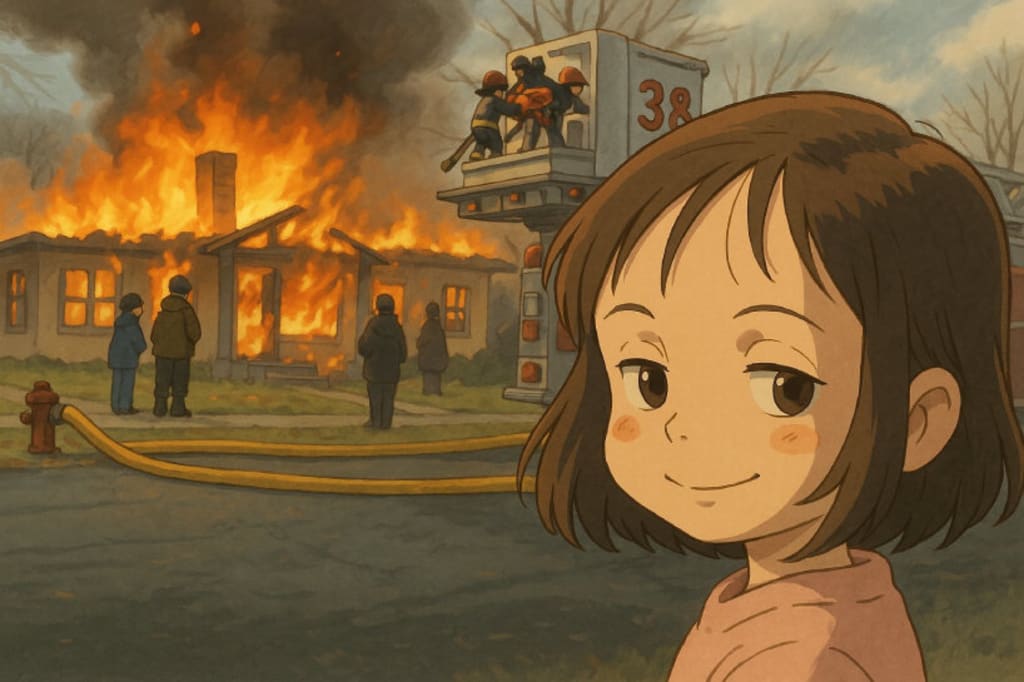
The enchanting worlds crafted by Studio Ghibli have captivated audiences for decades. From the soaring skies of *Laputa: Castle in the Sky* to the mystical forests of *Princess Mononoke* and the charming streets of *Kiki's Delivery Service*, the Ghibli aesthetic is instantly recognizable and deeply beloved. It’s a style defined by lush, painterly landscapes, expressive and often whimsical characters, meticulous attention to detail, soft, natural lighting, and a profound sense of nostalgia and wonder. For artists and fans alike, the dream of creating original artwork imbued with this unique Ghibli magic has often felt just out of reach – until now.
The explosive growth of AI image generation technology has opened up unprecedented creative avenues. Text-to-image models, powered by complex algorithms and trained on vast datasets, can now translate simple text prompts into stunning visuals. Crucially for Ghibli enthusiasts, many of these tools are becoming increasingly adept at capturing specific artistic styles, including the coveted Ghibli look. As we look ahead to 2025, the capabilities of these platforms are only expected to become more refined, intuitive, and powerful.
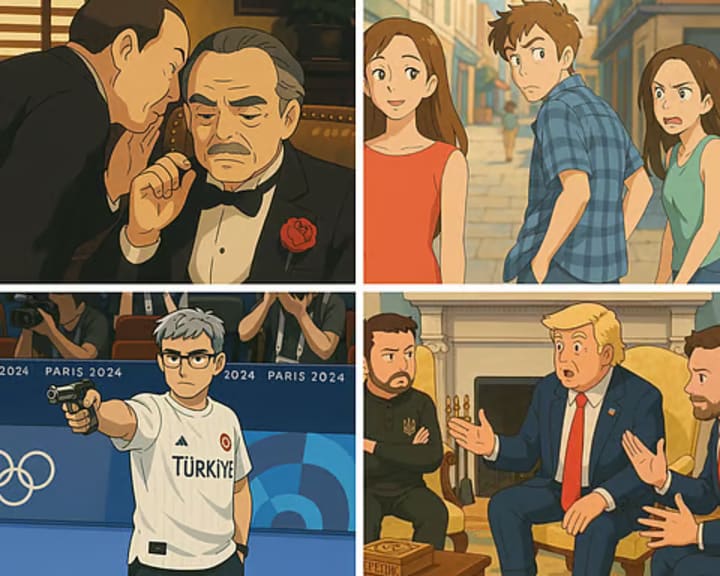
Whether you're an aspiring animator, a digital artist seeking inspiration, a storyteller wanting to visualize your world, or simply a fan yearning to step into a Ghibli-esque scene of your own making, AI image generators offer a compelling new toolkit. But with a growing number of options available, which ones are best suited for conjuring that specific Ghibli charm?
This list explores the anticipated top 10 Ghibli-style image generator apps and platforms to watch and try in 2025. We'll consider their potential for capturing the Ghibli aesthetic, ease of use, feature sets, and overall creative potential.
1. Anakin AI
(Anticipated #1 for Ghibli Style Generation in 2025)
Leading the pack as we look towards 2025 is Anakin AI. While perhaps not exclusively a "Ghibli generator," its strength lies in its remarkable versatility, user-friendly interface, and potent combination of underlying AI models. Anakin AI often acts as a sophisticated hub, potentially integrating various powerful image generation engines (like Stable Diffusion variants, DALL-E, Midjourney access, etc.) and offering users a streamlined way to access their capabilities without needing deep technical knowledge.
Ghibli Prowess: Anakin AI's anticipated edge in 2025 comes from its focus on simplifying the complex process of style replication. Users can expect refined prompt interpretation, allowing for nuanced requests that capture the *feeling* of Ghibli, not just the superficial elements. It likely features pre-set style options or simplified controls specifically tuned for anime and painterly aesthetics, making it easier to guide the AI towards generating those soft textures, vibrant natural palettes, and expressive character designs reminiscent of Miyazaki's masterpieces. Its potential for integrating custom-trained models or LoRAs (Low-Rank Adaptations) geared specifically towards Ghibli could be a significant advantage, all presented within an accessible UI.
Key Features: Expect a clean UI, integration of multiple top-tier AI image models, robust prompt assistance, potential for image-to-image generation (turning sketches or photos into Ghibli style), aspect ratio control, and potentially advanced features like inpainting/outpainting tailored for artistic workflows. Its focus is often on making powerful AI accessible and results-oriented.
Pros: High potential for quality Ghibli output via curated access to strong models, user-friendly for beginners and intermediates, versatile across different styles, likely offers a good balance of control and ease of use, continuous updates integrating the latest AI advancements.
Cons: Specific results might depend on the underlying engine selected within the platform. Advanced customization might be less granular than dedicated, open-source interfaces. Potential subscription costs for full access or high-volume usage.
Anakin AI is poised to be a go-to choice by offering a curated, high-quality experience that specifically caters to popular artistic styles like Ghibli, making complex AI generation feel intuitive and creatively rewarding.
2. Midjourney
Midjourney has consistently been a powerhouse in the AI art world, renowned for its opinionated, highly artistic output. It often produces images with a strong sense of composition, mood, and aesthetic coherence right out of the box, frequently favored by artists.
Ghibli Prowess: Midjourney excels at capturing atmospheric and painterly styles. Its engine seems particularly well-suited for generating lush landscapes, dramatic skies, and evocative scenes that resonate with the Ghibli feel. While direct character replication can be tricky, its ability to interpret stylistic prompts like "in the style of Studio Ghibli" or "Hayao Miyazaki aesthetic" often yields impressive and beautiful results. Its dedicated anime model, Niji Journey (-niji parameter), is specifically tuned for illustrative styles and is exceptionally good at achieving looks very close to Ghibli, especially with newer versions.
Key Features: Accessed primarily via Discord bot (though a web interface is evolving), powerful -niji mode, strong emphasis on aesthetic quality, continuous model updates (V6, Niji 6, etc.), upscaling options, style reference features.
Pros: Often produces stunning, high-quality artistic images, excels at atmosphere and landscapes, the Niji mode is a significant plus for anime/Ghibli styles, active community, improving prompt adherence.
Cons: Discord interface can be unintuitive for newcomers, less granular control over specific elements compared to some platforms, subscription-based model.
Looking Ahead (2025): Expect Midjourney to further refine its stylistic understanding and potentially improve its web interface, making its already strong Ghibli-style generations even more consistent and controllable, particularly via the Niji model.
3. Leonardo AI
Leonardo AI has carved out a niche by focusing on assets for gaming and art, offering fine-tuned models and a suite of tools for creative control within a user-friendly web platform.
Ghibli Prowess: Leonardo's strength lies in its platform models and the ability to use community-trained models. It's highly likely that by 2025, numerous high-quality Ghibli-specific models (checkpoints or LoRAs) will be available on the platform, trained to replicate the style with high fidelity. Its tools like Alchemy enhance prompt adherence and output quality, and features like Prompt Magic can help users craft better Ghibli-focused prompts.
Key Features: Diverse range of platform and community models, image-to-image, Alchemy pipeline for enhanced quality, Live Canvas editor for real-time generation and editing (inpainting/outpainting), prompt generation tools, free daily tokens.
Pros: Access to potentially specialized Ghibli models, good balance of quality and control, robust feature set beyond basic generation, generous free tier makes it accessible.
Cons: Can be slightly more complex than the simplest tools due to its feature depth, highest quality features often require paid subscription, consistency depends heavily on the model chosen.
Looking Ahead (2025): Leonardo AI's focus on custom models and creative tooling makes it a prime candidate for artists wanting fine-tuned control over their Ghibli-style creations within an integrated platform.
4. Stable Diffusion (via Custom Interfaces)
Stable Diffusion isn't a single app but a powerful, open-source model. Its true Ghibli potential is unlocked via dedicated user interfaces (like Automatic1111, ComfyUI, InvokeAI) or cloud services that allow deep customization.
Ghibli Prowess: This is where true Ghibli style mastery can be achieved through community efforts and precise control. Users can find, download, and utilize countless custom models (checkpoints) and LoRAs specifically trained on Ghibli artwork (often found on sites like Civitai). This allows for incredibly accurate replications of the style, characters, and environments, potentially surpassing what generic prompts in closed models can achieve. ControlNet extensions allow guiding the image generation with sketches, poses, or depth maps.
Key Features: Ultimate flexibility, use of custom models/LoRAs/embeddings, fine-grained control over parameters (sampling steps, CFG scale, seeds), inpainting, outpainting, ControlNet for precise guidance, upscaling options, open source, extensive community support.
Pros: Highest potential for stylistic accuracy and control with the right models/setup, unparalleled customization, free (if run locally, requires suitable hardware), vast ecosystem of community resources.
Cons: Steep learning curve, requires technical setup (for local installs) or navigating complex web UIs, results heavily dependent on finding and using the right custom models and prompts, can be time-consuming to master.
Looking Ahead (2025): While complex, the open nature of Stable Diffusion ensures it will remain at the forefront for users demanding the utmost control and fidelity in replicating specific styles like Ghibli, driven by ongoing community innovation and model improvements (like SDXL refinements or SD3).
5. NightCafe Creator
NightCafe has been a long-standing player in the AI art space, known for its community features and offering access to multiple generation algorithms within a relatively friendly interface.
Ghibli Prowess: NightCafe provides access to various models, including Stable Diffusion variants (SDXL) and potentially DALL-E or others through partnerships. It often features style presets, including anime and painterly options that can approximate the Ghibli feel. Users can experiment with different algorithms and apply artistic style modifiers. Its community aspect means users can see, learn from, and even evolve prompts others have used successfully for Ghibli-like results.
Key Features: Access to multiple AI models, style transfer capabilities, daily free credits, active community challenges and chatrooms, print-on-demand options, evolving tools.
Pros: Easy to get started, variety of tools and models under one roof, good community engagement for inspiration, generous free credits system allows experimentation.
Cons: Quality can be variable depending on the model/settings used, interface can sometimes feel cluttered with options, achieving perfect Ghibli consistency might require more tweaking than specialized tools.
Looking Ahead (2025): NightCafe will likely continue to be a popular entry point, integrating newer models (potentially SD3) and possibly offering more curated style options, making Ghibli-style experimentation accessible to a wide audience.
6. DALL-E 3 (via ChatGPT/Bing Image Creator)
Integrated directly into platforms like ChatGPT Plus and Microsoft's Bing Image Creator (often free), DALL-E 3 excels at understanding natural language prompts and translating detailed descriptions into images.
Ghibli Prowess: DALL-E 3 is remarkably good at interpreting complex instructions and incorporating specific details from the prompt. Asking for "A Studio Ghibli style illustration of a girl delivering bread on a bicycle in a quaint European town with cobblestone streets, lush flower boxes, and soft morning light" can yield surprisingly coherent and stylistically appropriate results. It understands the elements and mood of Ghibli well when described clearly. GPT-4o's enhanced understanding in ChatGPT can further improve prompt interpretation.
Key Features: Excellent natural language understanding, integration with conversational AI (ChatGPT), often free via Bing, generally good prompt adherence for scene details.
Pros: Very easy to use (conversational prompting), great for generating complex scenes from descriptive text, accessible (free option via Bing).
Cons: Less direct artistic control compared to Midjourney or Stable Diffusion with custom models, style can sometimes feel a bit generic or "DALL-E-fied" despite requests, limited customization options post-generation within the tool.
Looking Ahead (2025): Expect DALL-E models (perhaps DALL-E 4) to improve further in stylistic control, nuance, and consistency, making conversational Ghibli art generation even more powerful and intuitive.
7. Getimg.ai
Getimg.ai offers a suite of AI tools focused on image generation, including access to numerous Stable Diffusion models and Dreambooth for custom model training, presented in a clean interface.
Ghibli Prowess: Similar to Leonardo AI and other Stable Diffusion platforms, Getimg.ai's strength for Ghibli lies in its access to a wide variety of community-trained Stable Diffusion models and LoRAs. Users can easily browse and select models specifically fine-tuned for anime or Ghibli aesthetics from integrated sources. The platform's tools like image-to-image and editing can help refine these outputs.
Key Features: Access to dozens of Stable Diffusion models (SD 1.5, SDXL, custom), image-to-image, basic editing tools (inpainting), ControlNet support, potential for DreamBooth training (paid), free generation credits.
Pros: Wide selection of community models increases chances of finding a good Ghibli fit, offers model training capabilities for dedicated users, relatively user-friendly interface for Stable Diffusion features.
Cons: Free tier limitations on speed and features, best results often rely on knowing which community models work best, DreamBooth training requires effort and cost.
Looking Ahead (2025): Getimg.ai could become a valuable hub for easily accessing and experimenting with diverse Ghibli-focused Stable Diffusion models, potentially integrating newer base models like SD3 quickly.
8. Playground AI
Playground AI offers a user-friendly platform often with a generous free tier, making it great for experimentation and accessible to newcomers. It blends ease of use with access to capable models (its own and Stable Diffusion variants).
Ghibli Prowess: Playground AI allows users to generate images using Stable Diffusion (including SDXL) and its own fine-tuned models. By using descriptive prompts emphasizing watercolor, painterly styles, and Ghibli-related keywords, users can achieve pleasing results. It often includes filters or style presets (like "Anime," "Illustration") that can nudge generations towards a Ghibli-esque look. The social feed provides inspiration for prompts.
Key Features: User-friendly interface, generous free image generation credits per day, access to Stable Diffusion based models and Playground's own models, image-to-image, community feed, canvas for infinite extension.
Pros: Very easy to use, excellent for beginners, substantial free offering allows extensive experimentation, allows for quick iteration.
Cons: May offer less granular control than more advanced platforms, achieving perfect Ghibli nuance might vary depending on the chosen model/filter, quality dependent on underlying models available.
Looking Ahead (2025): Playground AI is likely to remain a popular choice for casual users and those exploring AI art, improving its models and potentially adding more sophisticated style filters relevant to aesthetics like Ghibli.
9. Mage.space
Mage.space provides straightforward, web-based access to a variety of Stable Diffusion models, often with a focus on simplicity and including free options, making it very easy to jump in.
Ghibli Prowess: Like other platforms leveraging Stable Diffusion, Mage.space allows users to select from numerous models hosted online, including those fine-tuned by the community for anime or specific artistic styles. Finding and selecting a good community Ghibli model here is key to achieving the desired aesthetic directly through the simple interface.
Key Features: Extremely simple interface, access to many Stable Diffusion models (SD 1.5, SDXL, numerous custom checkpoints), free tier available, optional premium features like enhanced models, privacy, and faster generation.
Pros: Very easy access to diverse Stable Diffusion models, great for trying out different community creations quickly without complex setup, valuable free option for basic use.
Cons: Interface is quite basic compared to feature-rich platforms, advanced control options (like detailed ControlNet or complex LoRA mixing) might be limited, heavily reliant on community models for high stylistic accuracy.
Looking Ahead (2025): Mage.space will likely continue to serve as a convenient, no-frills gateway to the world of Stable Diffusion models for users looking for simplicity in generating Ghibli-style art.
10. Artbreeder
Artbreeder takes a different approach, focusing on "breeding" or mixing images and adjusting their "genes" (parameters represented by sliders) rather than purely text-to-image generation from scratch.
Ghibli Prowess: While not a direct text-to-Ghibli generator, Artbreeder excels at creating character portraits and landscapes with a painterly, often ethereal quality that can strongly evoke the Ghibli feel. By mixing images that have Ghibli-esque features (anime eyes, soft color palettes, natural elements) or by carefully manipulating its "Genes" sliders (controlling elements like age, expression, artistic style, color), users can coax out results reminiscent of Ghibli concept art, particularly for character ideation or unique, dreamlike environments. Its newer features sometimes incorporate more direct text prompting as well.
Key Features: Image mixing ("breeding"), fine-tuning via "genes" sliders, creating portraits, landscapes, characters, etc., community sharing of creations and lineages, potentially integrated text prompts in newer versions.
Pros: Unique approach yielding novel results, great for character ideation and exploring painterly styles, interactive and intuitive process, can create beautiful, serendipitous results.
Cons: Not direct text-to-image at its core, less predictable for specific scenes described in text, achieving a precise Ghibli replica of a described scene is difficult, more about exploration than direct instruction.
Looking Ahead (2025): Artbreeder will remain a fascinating tool for artistic exploration, likely integrating more AI features while retaining its unique gene-mixing approach, making it useful for Ghibli-inspired concept art and character design.
Crafting the Magic: Prompting Tips for Ghibli Style
Regardless of the tool you choose, effective prompting is crucial. Even in platforms with style selectors, adding descriptive keywords enhances the result. Consider using keywords like:
Core Style: Studio Ghibli style, Hayao Miyazaki aesthetic, Ghibli movie screencap, Niji Journey style (if applicable)
Environment: lush green landscape, rolling hills, ancient forest, whimsical village, overgrown ruins, cloudscape
Lighting/Atmosphere: soft natural lighting, dappled sunlight, overcast sky, golden hour, nostalgic atmosphere, peaceful, sense of wonder
Medium/Texture: painterly texture, watercolor illustration, hand-drawn feel, soft lines, detailed background, impressionistic
Character: expressive anime character, simple character design, whimsical creature, friendly spirit
Also use negative prompts to steer away from undesired elements: photorealistic, 3D render, low quality, ugly, disfigured, realistic photo, sharp focus, generic modern anime.
The Future is Drawn
The ability to generate images in the beloved Studio Ghibli style using AI is more accessible and powerful than ever, and the tools are rapidly evolving. As we move firmly into 2025, platforms like the user-friendly Anakin AI, the artistically potent Midjourney, the flexible Leonardo AI, and the customizable world of Stable Diffusion are set to offer even more sophisticated ways to capture that unique blend of artistry, nature, and emotion. Whether you seek the perfect landscape, a charming character, or simply a touch of Ghibli's nostalgic magic in your own creations, these AI image generators provide an exciting new canvas. The dream of painting with the colors of Ghibli is no longer just a fantasy – it's at your fingertips. Start exploring, experimenting, and bring your own Ghibli-inspired visions to life!
About the Creator
Lynn Mikami
Write about private things
Keep reading
More stories from Lynn Mikami and writers in Art and other communities.
How to Skip OpenAI Sora 2 Invitations (Working Invites)
The digital landscape is crackling with anticipation for OpenAI’s Sora 2, the next evolution of the groundbreaking text-to-video model that promises to redefine the boundaries of AI-driven creativity. Following its stunning reveal, the most urgent question on every creator’s, developer’s, and tech enthusiast’s mind is: "How can I get access?" The excitement has spawned a torrent of rumors, forum posts, and whispers of backdoors, waitlist skips, and special "working invites." You may have even seen codes, like A85AN6, passed around in forums or private messages with the promise of instant access.
By Lynn Mikami5 months ago in Art
'Till Death We Do Art
There would be nothing divine in this world without art. Nature may surpass the divine to all intents and purposes, but like everything it absorbs and is absorbed by, it remains here, stuck on the surface of this world, ever-present, physically bound to the universe.
By Avocado Nunzella BSc (Psych) -- M.A.P 23 days ago in Art
How Andreas Szakacs Turned Into a Leading Film Podcast
Bringing the Theater Experience Online Streaming may dominate modern viewing habits, but Szakacs and his co-hosts believed something was missing: the conversation that begins the moment you leave a theater. That post-film discussion — emotional, analytical, spontaneous — became the foundation of their podcast.
By Andreas Szakacs8 days ago in Art




Comments