
Tips for Properly Hanging and Displaying Art at Home
Here is some help for getting your art on your walls.
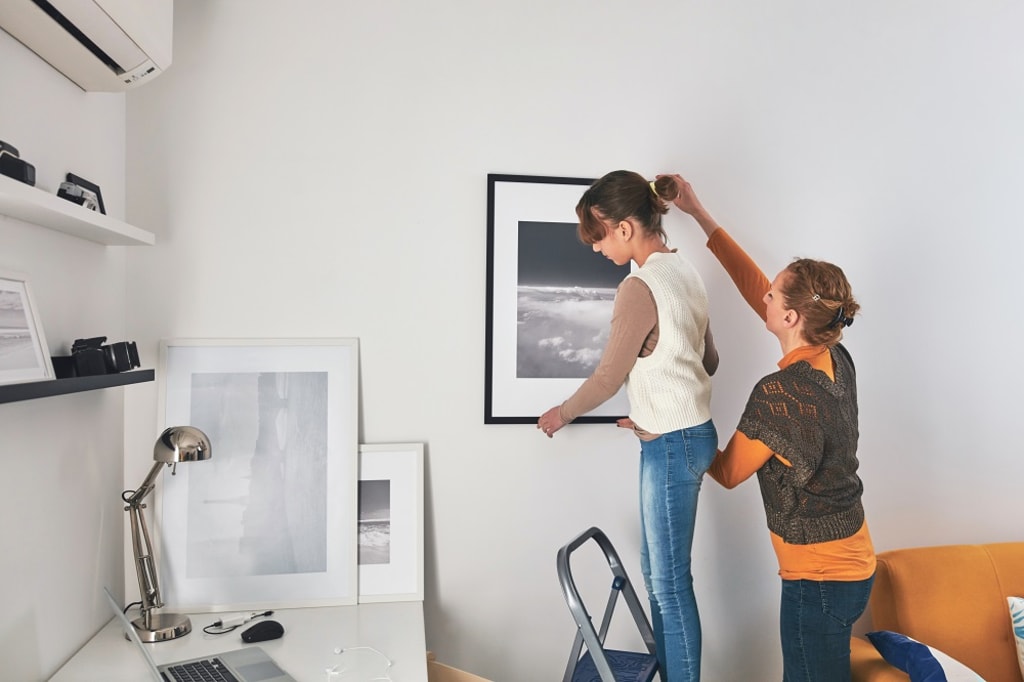
Displaying art effectively can turn your living space into a showcase of style and personality. The way you position, hang, and illuminate your pieces can influence not just the look of the room but also how you and others experience it. Below are detailed tips on how to hang and display your art to ensure its full potential shines through.
The Right Height
The height at which you hang your artwork is crucial. A general rule of thumb is to position the center of the piece at eye level. This placement feels natural and is easy to view. However, there are exceptions. For rooms where people spend more time seated, like living rooms or dining areas, slightly lower placement can feel more comfortable. For example, hanging a piece just above your sofa should leave enough wall space below the frame while still keeping the focal point desirable. Always consider the room’s function and typical line of sight to ensure the art feels integrated into the space.
The Right Tools
The tools you choose for hanging art should suit the weight of the piece and the type of wall, ensuring proper stability. Heavier framed works or canvases require sturdy anchors or screws to provide the necessary support, especially on drywall, where anchors help prevent sagging or damage. For lighter frames or prints, standard picture nails are usually sufficient. For renters who want to preserve their walls, removable adhesive hooks or strips designed for art are a great option. These can accommodate various weights and are easy to remove without leaving marks behind.
Regardless of the tools you select, take the time to ensure precise placement. Using a level or measuring tape can help you align your artwork perfectly, avoiding the frustration of crooked displays. Always check the weight restrictions on any hooks or fasteners to ensure your artwork is secure and properly supported. With the right tools and preparation, your pieces will look polished and professional.
The Right Balance
Most homes don’t just have one piece of art; often, it’s a combination of prints, photos, and paintings. When hanging multiple pieces together, plan a harmonious arrangement beforehand. Lay the pieces out on the floor as a mock-up to find the right configuration before committing to holes in the wall.
For a clean and cohesive look, maintain consistent spacing between items. Around 5-8 cm is a good range to keep your display visually balanced without feeling cluttered. Mixing art sizes and orientations can add interest, but strive for balance by anchoring larger works in the center or at the bottom of the layout and working outward with smaller, complementary pieces. This approach is particularly effective in creating gallery walls.
An example layout might start with a bold, vertically oriented painting at the center, framed by smaller horizontal photos or prints on either side. This kind of arrangement draws the eye naturally and keeps things looking intentional.
The Right Lighting
Good lighting can elevate your art, making colors more vibrant and details more pronounced. Poor lighting, on the other hand, can leave your pieces looking dull or cause annoying glare.
To showcase art effectively, consider adding picture lights, directional spotlights, or wall-mounted fixtures. These are particularly useful for statement pieces. For more subtle adjustments, position existing floor or table lamps to cast soft, indirect light onto your art.
Avoid positioning your art where natural sunlight hits directly, as prolonged exposure can cause fading—even with UV-protective glass. Instead, aim for consistent, warm-tone lighting that highlights the work without overpowering it.
The Right Help
For busy individuals or those wanting a flawless outcome, hiring professionals like The Chessler Company simplifies the process. They can handle everything from planning to installation, offering consultations on placement, framing, and lighting to integrate your artwork seamlessly into your space. This approach saves time and ensures a polished result that complements your décor.
The Right Tips
Before committing to a final placement, try taping paper cutouts of your artwork’s size onto the wall to visualize different arrangements and find the best fit. Ensure the bottom edge of a piece or grouping aligns well with nearby furniture; for example, a large piece above a sofa should be centered and leave a gap of about 15–25 cm above the couch for proportion. Additionally, consider the size of the artwork in relation to the wall space; if a piece feels too small, it may leave the area looking empty. To address this, either add more items to form a cohesive grouping or reposition the piece to a smaller, more suitable spot.
By following these guidelines, or seeking expert help when needed, you can turn your collection of art into a cohesive part of your home’s décor. Thoughtful placement and display techniques ensure your pieces not only look their best but also enhance the overall style and feel of your space.
About the Creator
Keep reading
More stories from Kara Masterson and writers in Art and other communities.
What to Consider When Earning a Degree Online
Earning a degree online is a flexible and convenient option that suits a variety of lifestyles, but it’s important to weigh your choices carefully to ensure success. Whether you’re a working professional, a parent, or someone who values the freedom of online learning, understanding key factors like program quality, financial aid options, and time management strategies will help you make informed decisions. By planning ahead and staying focused, you can make your online education experience both rewarding and manageable.
By Kara Masterson10 months ago in Education
The Uncopiable Human Wit to Write
We all have been in that spot at least once in our schooldays where we have been wringing our brains off to curate written articles of some sort until our soul-less friends were born. At just four years old, our beloved soul-less, metallic, digital assistant who is always by our side when we turn on our computers and smart phones, will be doing much more than curating written content for us all, if you know what I mean.
By Sound Savvy6 days ago in Art
Miss Persephone's Manual to a Seemingly Ordinary Life
Miss Persephone was found at the dining table, her blue eyes swollen, her tears arriving and retreating like the tides of the ocean. Earlier that day, her family had visited her in the retirement home where she had lived for eight years. It was her eightieth birthday.
By Imola Tóth3 days ago in Fiction



Comments
There are no comments for this story
Be the first to respond and start the conversation.