
Tips and Tricks for the Art of Pastels
Unleashing Your Creative Brilliance with Vibrant Colors and Textures
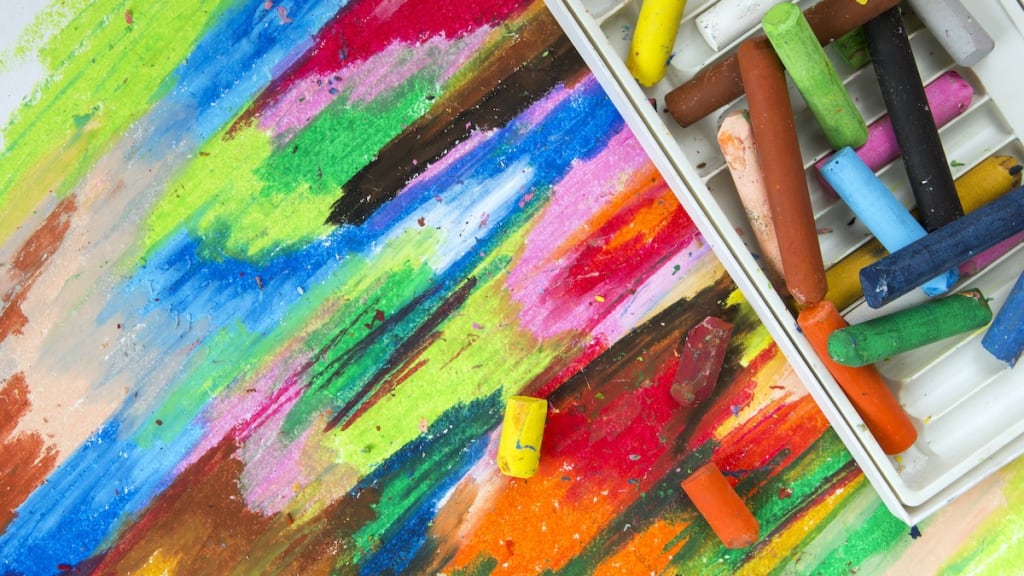
What is Pastel Colour?
In the HSV colour space, pastels are considered to be colours with a high value and low saturation. They are a member of the pale family of hues. They bear the name of a type of solid-based creative medium resembling crayons and composed of pigment.
Characteristics of pastel color:
- Softness: The appearance of pastel colours is pleasant and supple. They offer a more muted and subtle appearance rather than the intensity and brilliance of primary colours.
- Lightness: Pastel colours have a large proportion of white combined with the hue, making them light in value. They have an airy, delicate quality due to their lightness, which is comforting to the eye.
- Low Saturation: Saturation is a term used to describe a color's intensity or purity. Due to their low saturation, pastels lack the intensity and dominance of pure, saturated colours. Their quiet nature adds to their understated attractiveness.
- Versatility: Pastel colours are incredibly adaptable and go well together as well as with more powerful, brighter hues. They work nicely with various pastels and can also serve as a background for more colourful embellishments.
- Soothing Effect: Pastel colours have a calming and soothing effect on viewers due to their muted, gentle character. To produce calm and peaceful spaces, they are frequently utilised in fashion and home design.
- Timelessness: A variety of creative groups and historical eras have used pastel colours because of their eternal appeal. They never go out of style because to their timeless and sophisticated appeal.
- Wide Range: Pale pinks, gentle blues, subdued greens, light yellows, and delicate purples are just a few of the many shades that make up pastel colours. Numerous innovative options are made possible by this diversity.
- Natural Inspiration: Many pastel hues are affected by natural phenomena, including delicate blossoms, languid sunsets, and tranquil watercolour scenes. Their organic and harmonious sense is enhanced by this natural impact.
- Subtle Elegance: The use of pastel hues is frequently linked to subtlety and understated elegance. Due of their elegant and refined appearance, they are a popular option in formal settings, weddings, and high-end fashion.
Types of pastel colour:
- Pastel Pinks:
Baby Pink: This delicate shade of pink evokes the innocence and sweetness of baby blankets. It is soft and light.
Salmon Pink: A warm, subdued pink with a tinge of orange that resembles salmon flesh.
Blush Pink: A soft pink with a hint of beige that creates a warm and friendly tone frequently linked to femininity and romanticism.
- Pastel Blues:
Sky Blue: A bright, airy blue that resembles the sunlit sky on a clear day and inspires feelings of serenity and calm.
Powder Blue: A delicate, subtle shade of blue with a tinge of grey that resembles powdered chalk and is frequently used.
Periwinkle: Periwinkle is a soft violet-blue colour that evokes nostalgia and peace.
- Pastel Greens:
Mint Green: A light green with a tint of blue that resembles mint leaves and stands for vigour and freshness.
Sage Green: Used frequently in interior design for its calming impact, sage green is a subdued, grayish-green hue connected to nature and tranquilly.
Pistachio: A light green with a hint of yellow, resembling the colour of pistachio nuts, denoting expansion and abundance.
- Pastel Yellows:
Lemon Yellow: A happy and upbeat shade of yellow that resembles the colour of freshly squeezed lemons.
Butter Yellow: A gentle, creamy yellow that resembles butter and exudes cosiness.
Yellow that is muted and pale, indicating clarity and lightness, and frequently utilised to create ethereal, dreamlike settings.
- Pastel Purples:
Lavender:Lavender is a delicate, grayish-purple colour that was inspired by lavender blossoms and is known for its grace and elegance.
Lilac: A pale purple with a pinkish undertone that represents youth and innocence and is frequently used to evoke feelings of romance.
Mauve: A subdued purple colour with a grey undertone that symbolises refinement and class. It is popular due to its charming simplicity.
- Pastel Oranges:
Peach: A warm, mild orange with a soft pink or yellow undertone that resembles the colour of ripe peaches, and which stands for warmth and sincerity.
Apricot: The colour apricot, which is a mellow orange with a hint of yellow and symbolises originality and ingenuity, is also known as the apricot fruit.
Coral:Coral is a subdued orange colour with a pink or reddish undertone that was inspired by coral reefs and is a symbol of equilibrium and harmony.
10 Tips for Pastel Art:
1. Choose the Right Materials: Purchase pastels and papers of the highest calibre. Layering is possible as the pastel pigments hold together better on pastel papers having a textured surface, such as sanded or toothed paper. While hard pastels are excellent for adding fine details, soft pastels are perfect for blending and achieving seamless transitions.
2. Use the Right Techniques: To create diverse textures and effects, experiment with different techniques including blending, hatching, and stippling. Soft gradients and seamless transitions can be made by mixing with your fingertips or blending implements like brushes and blending stumps.
3. Start with a Sketch: To arrange your composition and layout, make a basic sketch. Make your lines thin so they won't show through the layers of pastel. For proper proportions and element placement, a solid sketch acts as a road map for your artwork.
4. Layering and Building: With pastels, you can layer colours to give your artwork depth and richness. Start with light hues and progress to darker ones over time. Adding layers of various colours produces lively effects that give your artwork a sense of brilliance.
5. Experiment with Colors: With pastels, you can layer colours to give your artwork depth and richness. Start with light hues and progress to darker ones over time. Adding layers of various colours produces lively effects that give your artwork a sense of brilliance.
6. Pay Attention to Values: In pastel art, understanding values—the lightness and darkness of colors—is essential. Consider the source of light in your composition as you develop a range of light to dark values. Your artwork gains depth and character from this contrast, which visually enlivens it.
7. Fixative Spray: Use a fixative spray to keep your pastel artwork from smudging and to preserve it. Before adding the next layer, correct the layer underneath. Adhere to the manufacturer's recommendations while applying the fixative and make sure the area is well-ventilated.
8. Practice Patience: It takes time and accuracy to create pastel painting. Build up layers slowly, blending colours, and perfecting details. Rushing through the process increases the likelihood of errors and produces less-than-stellar results. Allow your imagination to flow spontaneously while exercising patience.
9. Learn from Others: Study the pastel paintings of painters you appreciate. Consider their methods, colour schemes, and composition. Become a part of art communities, go to workshops, and interact with other artists. It might be beneficial to gain knowledge and inspiration from other people's experiences.
10. Practice Regularly: Pastel art can be improved with practise, just like any other art form. Set aside time to practise various skills, try out novel concepts, and take on difficult themes. You will become more assured and skillful as you practise.
To sum up, there are endless creative possibilities with pastel art. You may unleash your artistic potential and produce amazing pastel artworks that leave a lasting impact by selecting the appropriate materials, becoming proficient in a variety of techniques, and practising frequently. So grab some pastels, let your imagination run wild, and take in the vibrant experience of pastel art!
About the Creator
Sadia Afrin Soha
Hello,I'm Sadia Afrin Soha, a computer science student and passionate content writer who integrates technical difficulties into entertaining narratives, encourages learning, and attracts the interest of people all over the world.
Keep reading
More stories from writers in Art and other communities.
“What If It Happens?”
Monday, 11 April 2022 Ishrat Jahan One of our friends, Mr. Farooq, is a middle-aged man, yet he has still not been able to free himself from his deeply suspicious and fearful nature. These days, I happened to have some free time, so I thought it would be a good idea to meet him and try to untangle the puzzle of his constant worries. By coincidence, he himself arrived at my humble home, jolting along in a rickshaw.
By Sudais Zakwana day ago in Art
Introduction to Organic Solutions
In the realm of fitness, the role of nutrition cannot be overstated, and organic supplements are increasingly recognised as essential components of a well-rounded training regime. Unlike their synthetic counterparts, organic supplements are derived from natural sources, ensuring that fitness trainers can provide their clients with products that are free from harmful additives and chemicals. This not only promotes better health but also supports the body’s natural processes, thereby enhancing overall performance and recovery.
By Organic Products 6 days ago in Art


Comments
There are no comments for this story
Be the first to respond and start the conversation.