
Three Colors: Blue - A Poignant Symphony of Loss and Liberation
How Dealing With Loss Leads To Evolution
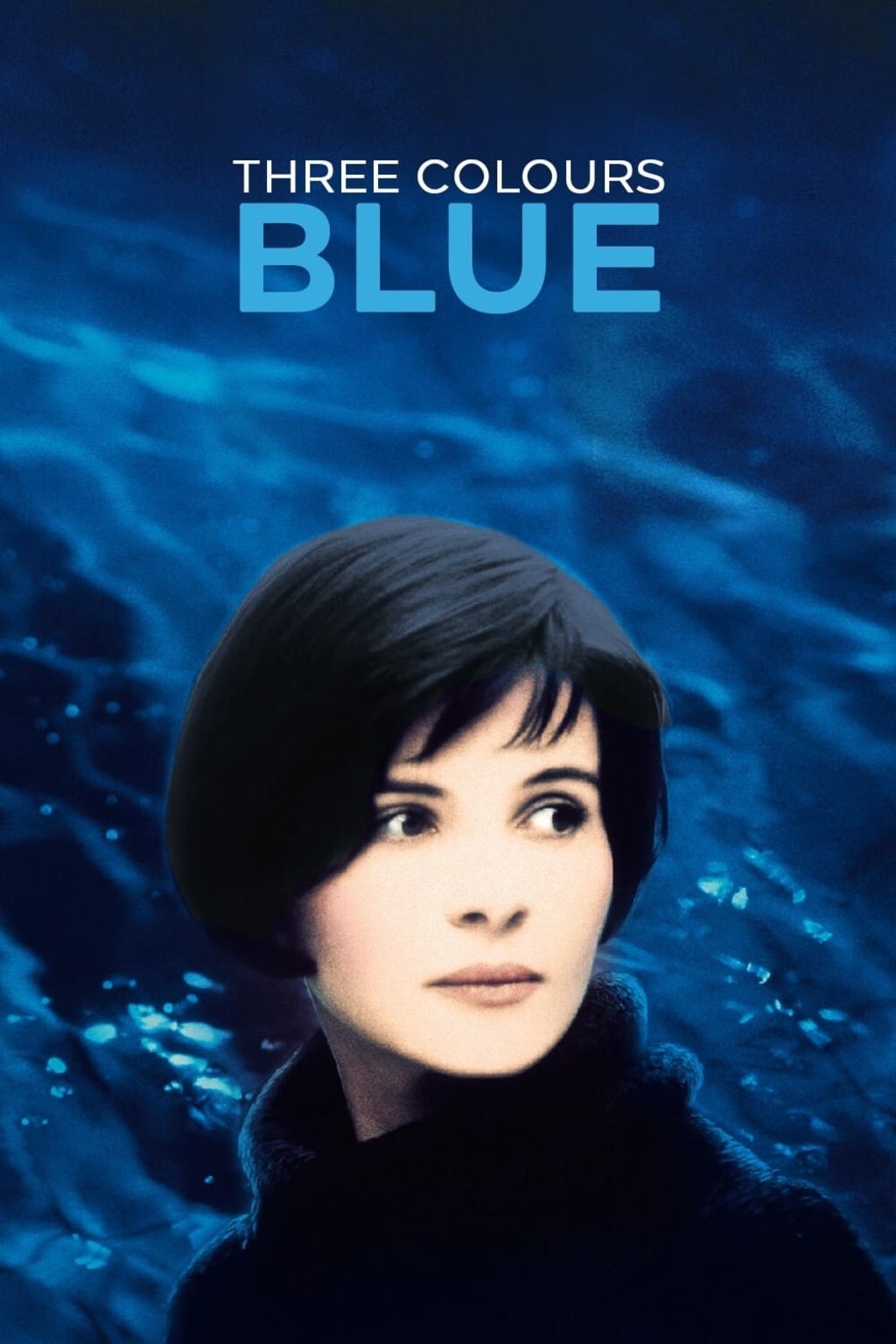
"Three Colors: Blue," the first chapter of Krzysztof Kieślowski's remarkable Three Colors trilogy, is an evocative portrayal of grief and the arduous journey towards emotional and creative freedom. This film, enriched by Juliette Binoche's compelling performance and Kieślowski's insightful direction, delves deeply into the solitude and liberation found in the wake of tragedy. Symbolizing liberty and weaving through themes central to the French Republic's motto, "Three Colors: Blue" transcends its narrative to become a profound exploration of human resilience and the path to self-discovery.
One particularly poignant scene that encapsulates the film's exploration of grief is when Julie, played by Binoche, swims alone in a pool, submerged in the blue water that permeates the film's visual and thematic tapestry. The silence of the water envelops her, serving as a metaphor for her isolation and the depth of her sorrow. This moment of solitude in the pool is both a physical and symbolic attempt to cleanse herself of her past and the overwhelming grief that has come to define her existence following the loss of her family.
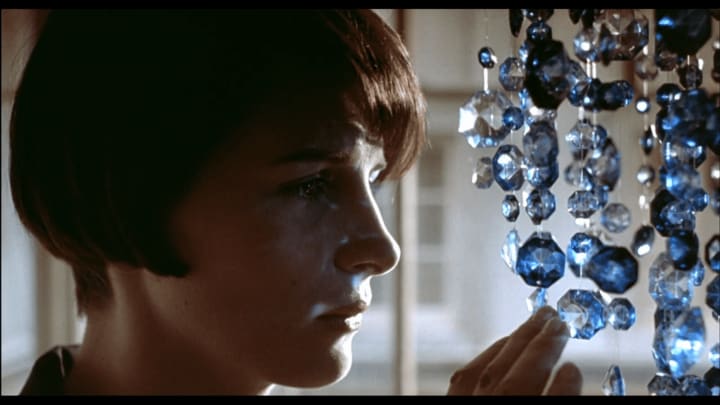
Another memorable scene involves Julie stumbling upon a street performer playing a piece of music that her husband, a renowned composer, was working on before his death. The music triggers a flood of memories and emotions, illustrating the complexity of Julie's grief. It is a moment where the past she is trying to escape relentlessly seeps back into her reality, highlighting the inescapable nature of memory and the profound impact of art in confronting and processing loss.
Throughout the film, Julie's interaction with objects and places connected to her late husband and daughter underscores her struggle with grief. One such instance is when she sifts through her husband's compositions, deciding which to keep and which to discard. The act of sorting through these physical remnants of her former life is laden with the weight of her sorrow and the daunting task of determining what to let go of and what to hold onto.
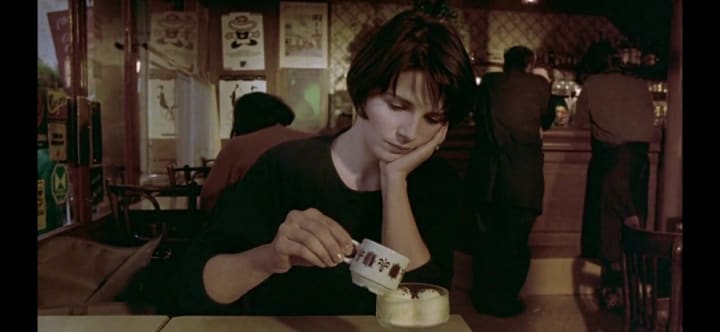
Kieślowski masterfully portrays Julie's grief not as a linear journey but as a complex process of ebbing and flowing emotions, moments of withdrawal, and sudden, unexpected confrontations with the past. Binoche’s nuanced portrayal brings an incredible depth to Julie, capturing the subtleties of her internal struggle with a raw honesty that is both heartrending and mesmerizing.
The film's conclusion, where Julie finds a semblance of peace and acceptance, does not suggest that her grief has been fully resolved but rather that she has found a way to coexist with her loss. It is a testament to the film's realistic portrayal of grief as an ongoing process, one that shapes but does not wholly define an individual.
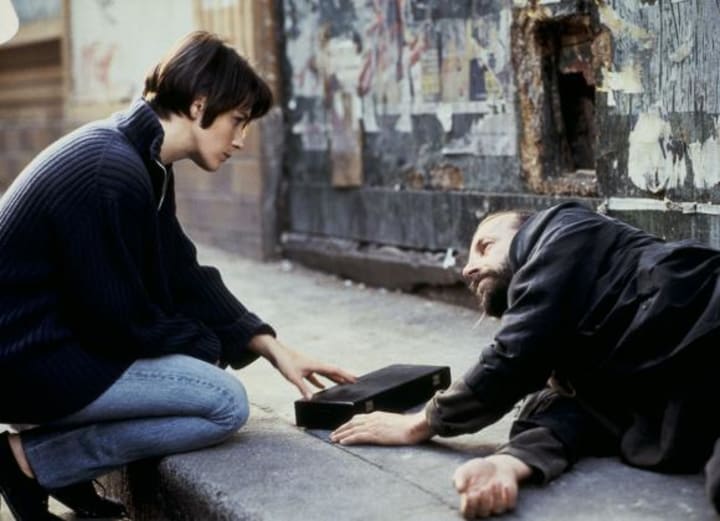
In summary, "Three Colors: Blue" is a cinematic masterpiece that poignantly explores the nuances of grief through its beautifully crafted scenes and Juliette Binoche’s unforgettable performance. Krzysztof Kieślowski's direction and the film’s use of color and music enhance this exploration, creating a multi-layered narrative that resonates deeply with its audience. With a 4.5/5 star rating, "Three Colors: Blue" stands not only as a tribute to the power of cinema to probe the depths of human emotion but also as an enduring exploration of the complexities of loss, memory, and the possibility of finding freedom within the confines of grief.
About the Creator
Keep reading
More stories from Tareque Sekandari and writers in Art and other communities.
The Best Philosophy in the World Is the One You Can Live
Ask ten philosophers what the best philosophy in the world is, and you will receive at least ten different answers—possibly delivered with footnotes, counterarguments, and mild contempt for the other nine. This disagreement is not a flaw of philosophy; it is its essence. Philosophy was never meant to be a universal prescription handed down like a rulebook. It exists to help human beings live better lives. By that standard, the best philosophy in the world is not the most elegant or complex—it is the one that can be lived.
By Fred Bradford4 days ago in Art




Comments (1)
Wow, I have not heard of this movie, but your review makes me want to see it! I love Binoche too. Thanks!