
This Hidden Gem in Cairo: The Egyptian Textile Museum Reveals the Art of Fabric Through Millennia
This Hidden Gem in Cairo: The Egyptian Textile Museum Reveals the Art of Fabric Through Millennia
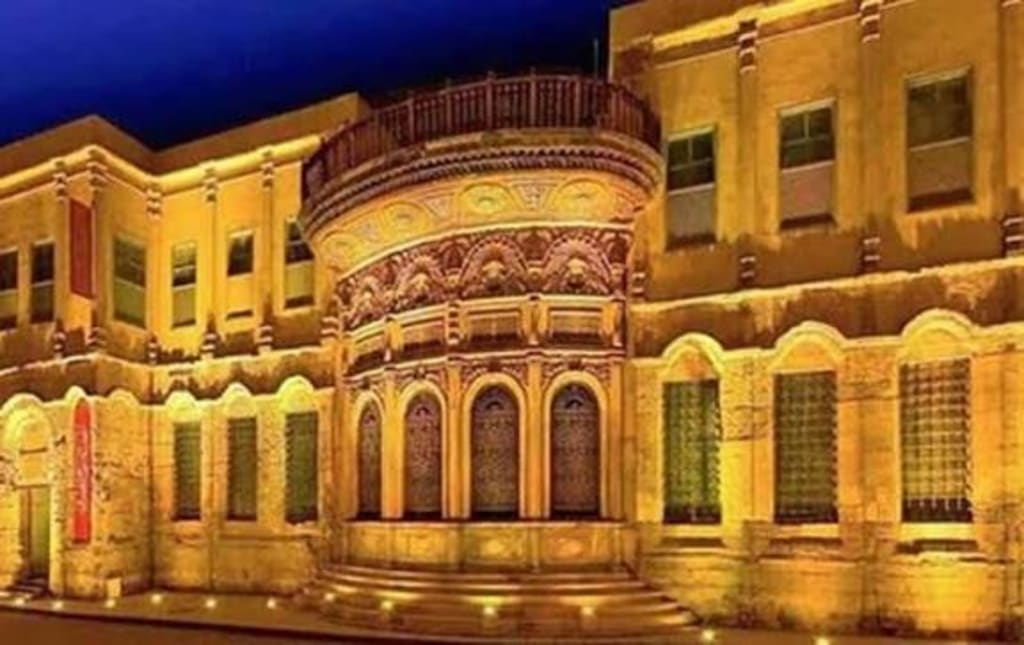
Tucked away in the winding alleys of Islamic Cairo, the Egyptian Textile Museum stands as a quiet treasure for anyone fascinated by fabric, art, and history. Originally built in 1828 by Muhammad Ali Pasha as a sabil (a charitable water fountain) in memory of his son Ismail, the building was later transformed into the first museum in the Middle East dedicated exclusively to textiles. Almajalla+3محافظة القاهرة+3Sharm Club+3
A Building That Speaks History
The museum building itself is full of charm and architectural detail. Its façade features ornate marble work, copper windows, and decorative engravings influenced by European Rococo styles. محافظة القاهرة Above the fountain was a school (kuttab) that operated until the mid-20th century, with notable students like Gamal Abdel Nasser. محافظة القاهرة
What You’ll Find Inside
Across two floors and eleven halls, you’ll encounter nearly 1,000 artifacts spanning Egypt’s textile history from the Pharaonic age to modern times. Africanews+4محافظة القاهرة+4Almajalla+4
Some highlights include:
• Pharaonic textiles like linen fragments, mummy shrouds, and early garments. محافظة القاهرة+4Sharm Club+4Travel2Egypt+4
• Coptic and Roman era fabrics showing intricate weaving and dyes. Travel2Egypt+2Sharm Club+2
• Islamic and modern pieces, including embroidered robes, traditional garments from different Egyptian regions, and even parts of the Kiswat al-Kaaba (covering of the Kaaba) historically made in Egypt. lonelyplanet.com+4محافظة القاهرة+4Sharm Club+4
• Tools and displays explaining weaving techniques, dyeing, and textile production through time. Sharm Club+2Almajalla+2
• Among the rarest items are woolen robes from the Amarna period, highlighting that Egyptians used wool earlier than often assumed. CairoScene+2Almajalla+2
Lighting, interactive screens, and detailed labels (in Arabic and English) help visitors better understand each artifact’s story. Travel2Egypt+3Almajalla+3Sharm Club+3
Significance & Context
Textiles in Egypt were never just decorative — they reflect social hierarchies, trade routes, cultural exchange, and religious traditions. By following the evolution of fabric, one can trace changes in technology, economy, and identity through Egyptian history.
In recent years, part of the museum’s collection was moved to the National Museum of Egyptian Civilization (NMEC) to protect the artifacts during building restoration. EgyptToday+2Almajalla+2 The new textile gallery there contains around 650 items, continuing the narrative of Egyptian weaving traditions through to modern times. Africanews+2Almajalla+2
Tips for Visitors
• Where: On Al-Moez Street in historic Cairo. lonelyplanet.com+2محافظة القاهرة+2
• Time: Visiting all halls usually takes 1 to 1.5 hours. تريب أدفايزر+2Tripadvisor+2
• Check status: Because of ongoing restoration, some exhibits may be temporarily relocated. EgyptToday
• Labels & info: Each piece is labelled with its date, origin, and story in both Arabic and English. Sharm Club+2Almajalla+2
About the Creator
Keep reading
More stories from writers in Art and other communities.
Dog Shoes for Small Dogs and Puppy Shoes A Practical, Paw-Friendly Guide
Small dogs and puppies may look tough, but their paws often need more protection than people realize. Their bodies are lighter, their paws are smaller, and many of them spend a lot of time on surfaces that were never designed for delicate paw pads. Add cold sidewalks, hot pavement, rough gravel, wet grass, or even slippery indoor floors, and you start to see why dog footwear has become more than just a cute trend.
By aliyashahzadi2 days ago in Art



Comments
There are no comments for this story
Be the first to respond and start the conversation.