
The Timeless Art of Mehndi: History, Significance, and Modern Trends
Timeless Art of Indian Mehndi

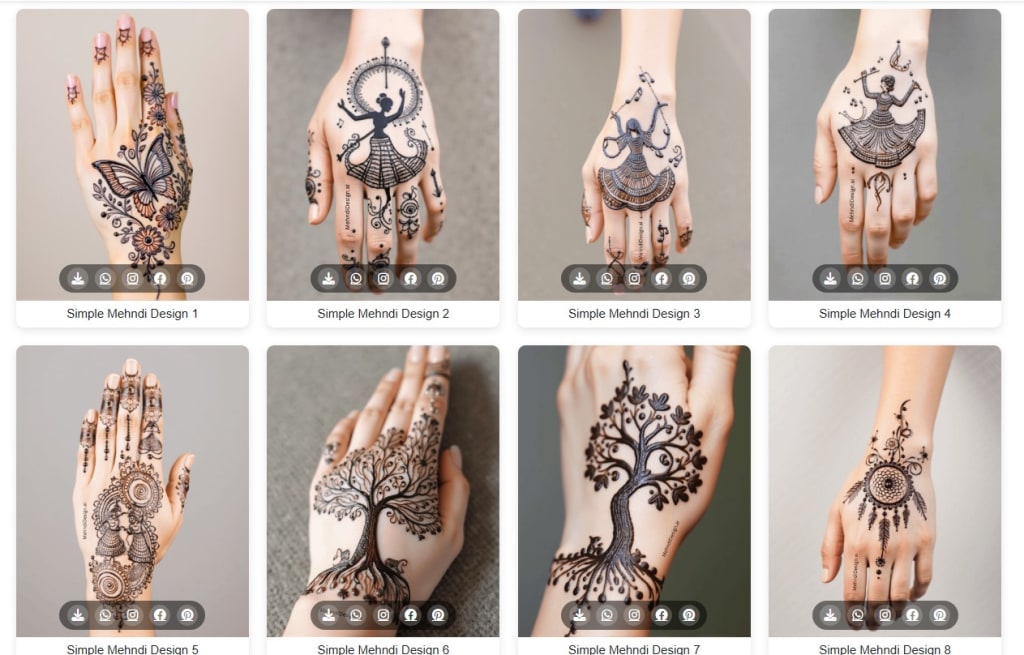
Mehndi—also known as henna—is an ancient form of body art and temporary tattooing that has been practiced for thousands of years across the Middle East, Africa, and the Indian subcontinent. Today, it stands as not just a symbol of beauty and artistic expression but also a cultural tradition woven into the tapestry of weddings, festivals, and spiritual ceremonies. Its intricate designs and symbolic motifs have evolved over time, blending ancient customs with contemporary aesthetics, and inspiring generations of artists and enthusiasts worldwide.
In this comprehensive guide, we’ll explore the enduring legacy of mehndi, its cultural roots, popular design styles, application techniques, and how this art form continues to reinvent itself in the digital age. Whether you are a bride-to-be seeking the perfect bridal mehndi or a curious observer fascinated by the richness of this tradition, you will gain a deep understanding of mehndi’s multifaceted allure.
A Brief History of Mehndi
The origins of mehndi can be traced back over 5,000 years, with references found in ancient Egyptian, Middle Eastern, and Indian civilizations. Traditionally, leaves of the henna plant (Lawsonia inermis) were ground into a fine paste and applied to the skin to create intricate patterns. As the paste dries, it imparts a rich, reddish-brown stain that can last from a few days to several weeks, depending on factors like body temperature, skin pH, and aftercare.
Cultural Significance:
In many cultures, mehndi is considered auspicious. It is a staple in weddings—especially in South Asia—where bridal mehndi ceremonies celebrate femininity, love, and fertility. Beyond weddings, mehndi patterns are also applied during religious festivals like Eid, Diwali, and Karva Chauth, serving as a form of spiritual and cultural identity. Over time, these intricate patterns have come to represent not just luck and prosperity but also storytelling, with motifs depicting nature, divine figures, and sacred symbols.
Popular Mehndi Styles
1. Indian Mehndi Designs:
Characterized by elaborate, dense patterns that cover large portions of the hands, arms, and feet, Indian designs frequently incorporate images of peacocks, lotus flowers, paisleys, and traditional Indian bridal symbols. These patterns often leave minimal empty space, resulting in a tapestry-like effect.
2. Arabic Mehndi Designs:
Arabic mehndi stands out for its bold, free-flowing outlines and more spacious patterns. With large floral motifs and graceful leaves, these designs typically emphasize negative space, creating a striking contrast that highlights the natural beauty of the skin. Arabic mehndi is popular for both casual and formal occasions, and its quicker application time makes it a go-to choice for many.
3. Pakistani Mehndi Designs:
Fusing Indian and Arabic elements, Pakistani mehndi often features complex geometric shapes, fine lines, and symmetrical patterns. These designs can be extensive, sometimes covering the entire forearm and extending to the feet, making them perfect for brides and festive celebrations.
4. African Mehndi Designs:
African-inspired henna patterns are known for their bold geometry, tribal symbolism, and the use of thick lines. They often feature linear and repetitive patterns that create a dramatic visual narrative, evoking centuries-old cultural motifs and rituals.
The Ritual of Bridal Mehndi
For many South Asian brides, the bridal mehndi ceremony is a highlight of their wedding preparations. A bride’s hands and feet are adorned with intricate designs that may include symbolic elements representing love, prosperity, and marital harmony. The ceremony often transforms into a lively gathering, where family members and friends join in the festivity, dancing, singing, and celebrating the bride’s journey into a new life chapter.
Personalization and Storytelling:
Contemporary brides often infuse their love stories into the mehndi patterns—initials of the couple’s names, important dates, or even small motifs representing shared passions and memories. This approach turns the mehndi into a form of personal storytelling, making the design as unique as the couple it adorns.
Tips for a Long-Lasting and Vibrant Mehndi Stain
1. Quality of Henna:
Choose natural, chemical-free henna cones or powders. High-quality henna produces a darker, longer-lasting stain and reduces the risk of skin irritation.
2. Pre-Application Care:
Before applying mehndi, wash and exfoliate the skin to remove any oils or dead skin cells. This ensures better absorption and a more intense color payoff.
3. Patience and Drying Time:
Allow the mehndi paste to dry naturally for several hours, ideally overnight. Avoid using blow dryers as heat can prematurely crack the paste, and do not wash the area until the paste has fully fallen off.
4. Natural Remedies:
After removing the dried paste, apply a mixture of lemon juice and sugar or dab with clove smoke to deepen the color. Keep the design warm—henna stains tend to darken with heat.
Mehndi in the Modern Age
While mehndi is steeped in tradition, it has also evolved in tandem with changing times. Artists now blend traditional motifs with modern aesthetics—incorporating geometric lines, minimalistic patterns, and even incorporating elements from Western tattoo art. Beyond weddings and festivals, mehndi has gained popularity in non-traditional contexts as well, from music festivals to wellness retreats, reflecting a global appreciation for this ancient art.
Influence of Social Media and the Internet:
Today, social media platforms and online communities have amplified the visibility of mehndi artistry. Artists share their latest creations, exchange tips, and help newcomers discover fresh patterns and techniques. With the rise of online tutorials and image repositories, anyone can learn to apply mehndi at home, fostering a new generation of enthusiasts who carry this tradition forward in innovative ways.
Discovering Designs and Expertise Online
If you are looking to explore mehndi designs, gain inspiration, or connect with professional artists, the digital sphere offers endless possibilities. Online platforms now serve as a hub for design ideas, tutorials, and expert advice. One such resource is MehndiDesign.ai, a curated platform offering a wide range of mehndi patterns, insightful tips, and the opportunity to connect with experienced artists.
Here, you can browse through traditional and contemporary designs, learn application techniques, and find the perfect pattern to suit your style—be it a simple floral motif for a casual event or a grand, story-rich design for a special occasion. Whether you are new to mehndi or a seasoned artist seeking fresh inspiration, this platform bridges ancient artistry with modern convenience.
Embracing the Future of Mehndi
From its roots in ancient civilizations to its pervasive presence in contemporary culture, mehndi remains a living art form that continues to captivate hearts around the world. Its adaptability and resilience make it more than just a form of body adornment—it is a universal language of beauty, celebration, and cultural identity.
As technology continues to shape our understanding of art and tradition, mehndi will remain a vibrant canvas on which history, innovation, and personal stories are painted. With the guidance and resources available online, including platforms like MehndiDesign.ai, aspiring artists and enthusiasts can ensure that the legacy of mehndi endures, evolves, and flourishes for generations to come.
About the Creator
Lena Jhonson
Sissy Stories, a safe and empowering space where identity, transformation, and self-expression take center stage. My name is Lena Jhonson, and I created this platform to share heartfelt, thought-provoking, and entertaining stories.
Keep reading
More stories from Lena Jhonson and writers in Art and other communities.
Masquerade of the Heart
The letter arrived on a crisp autumn morning, the kind that hinted at the approach of winter with a gentle, chilling breeze. Christopher, usually indifferent to social gatherings, found his interest piqued by the elegant handwriting and the golden seal on the envelope. He slid a finger under the flap and unfolded the heavy parchment. It was an invitation to the annual Masquerade Ball hosted by the affluent Hargrove family, an event renowned in his small town for its opulence and the mystery that surrounded it.
By Lena Jhonsonabout a year ago in Families
A Matter of Coincidence
Tuesday, 3 September 2024 Ayesha Fareed Ahmed, Mirpur Khas Sheeda was a simple and innocent man. One day, he was going to his wife’s village to bring her back. On the way, he saw some donkeys grazing on grass at a certain place. Eventually, he reached his in-laws’ house. His wife’s brother asked him to sit in the guest room.
By Sudais Zakwan2 days ago in Art
What Fine Line Tattoo Excellence Looks Like in Professional Practice
When you sit in the chair of one of the best fine line tattoo artists, you feel it straight away. The calm, the care, the way they handle your skin and your nerves at the same time. Fine line work looks light and effortless from the outside, but real excellence is anything but casual.
By Tools of Trade Studios6 days ago in Art
The Devil's Cut
“Comrade, finally you’re awake.” The voice was smooth, sensual. A flickering incandescent bar was all that lit the white, sterile room. All Vladimir remembered was everything going black. He tried to move his arms and found them strapped to the gurney.
By Matthew J. Fromm5 days ago in Fiction




Comments
There are no comments for this story
Be the first to respond and start the conversation.