
The Timeless Appeal of Religious Statues in Modern Homes
Blending Tradition and Spirituality in Modern Homes
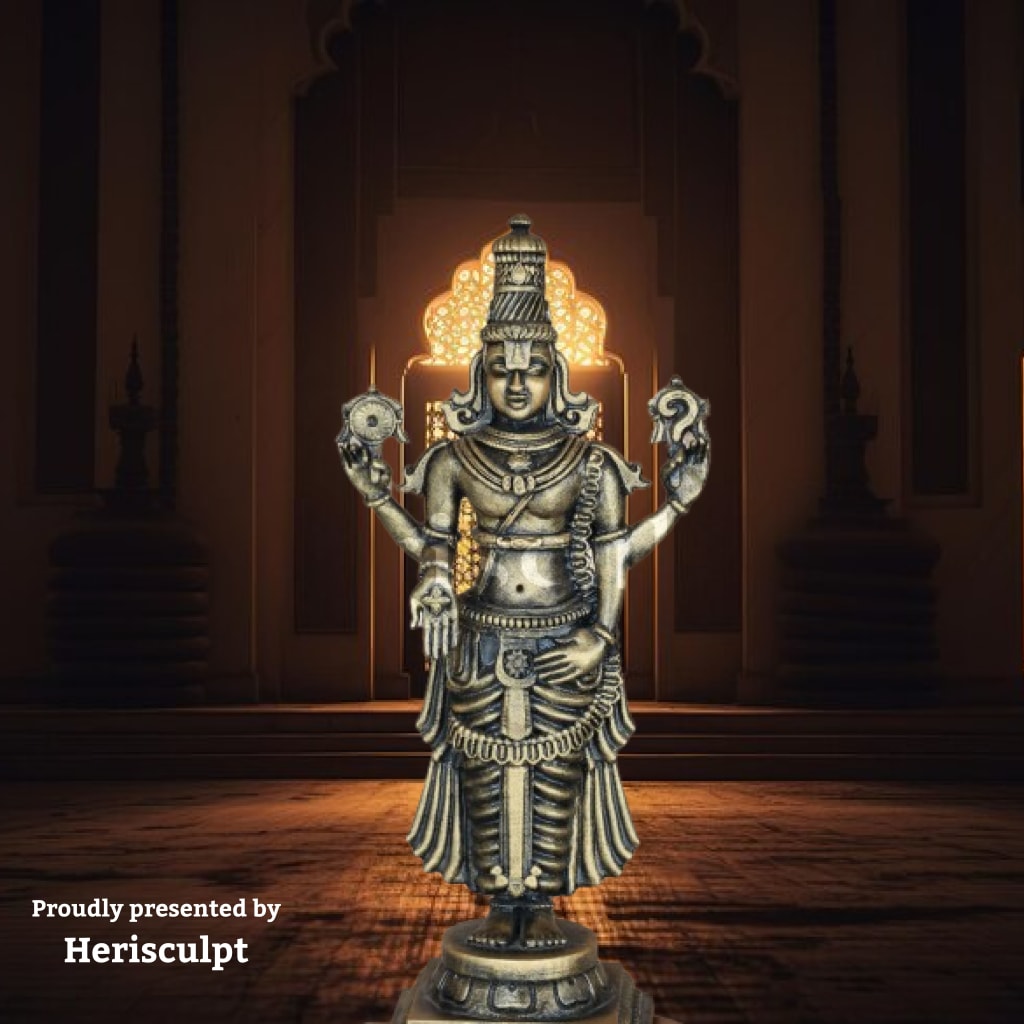
Religious statues have been part of human civilization for thousands of years. These statues symbolize faith, spirituality, and culture. Since ancient temples to the wall of modern homes, these continue to occupy a significant place in the lives of many around the world. In the contemporary world where homes have become a reflection of personal belief, religious statues are placed with tradition and current aesthetics.
A Deep Spiritual Connection
The first and foremost reason religious statues are never out of style is their deep spiritual significance. Religious statues are not merely art; they are a reminder of the connection to something greater. Whether it is a statue of a deity, saint, or spiritual symbol, each figure represents values and beliefs people hold close. In many homes, a simple glance at a religious statue provides comfort during difficult times and serves as a source of inspiration in daily life.
Additionally, it's an experience putting up a religious statue in a house because this might be a personal experience or even sacred. In most cases, it might involve placing an altar with candles or arranging a statue in an ideal location. The statues have a serene atmosphere, thereby promoting peace and mindfulness. It is a tangible manifestation of one's faith to many, encouraging them into moments of reflection, prayer, or meditation.
Artistry and Aesthetic Value
Besides their spiritual values, religious statues have undeniable aesthetic values. Made with precision, these statues are, by themselves, works of art. From the fine carvings in stone to delicate strokes in metal or wood, the craftsmanship involved in the making of these statues is a marvel.
Today, religious statues come in various styles, ranging from classical and traditional forms to more contemporary interpretations. Whether someone prefers the intricate beauty of ancient sculptures or the clean lines of modern designs, there is a wide array of options to suit every home’s decor. The versatility of religious statues enables them to fit into diverse interior design themes ranging from minimalism to eclectic styles. They add beauty and sense to living rooms, and thus they become attractive to the faithful as well as to art lovers and collectors.
Cultural Heritage and Tradition
Religious statues also act as a bridge to cultural heritage. To many people, these statues symbolize more than just faith; they symbolize the ancestral roots of the people. Displaying a religious statue in a modern home is one way to honor thoseroots, preserve traditions, and keep one's heritage alive.
The beauty in this fact lies in that these handcrafted statues are made by artisans whose skills have been passed from one generation to the other. They, by the use of techniques of art passed down for centuries, make statues that portray what their communities think is worthy of being considered artistic or cultural. This makes possessing a religious statue be in part giving support to this old-time skill that has been the key life-attribute factor in many cultures.
In addition, religious statues can narrate history, tradition, and mythology. For example, the god and goddess statues from Hinduism, Buddhism, or Christianity have their own stories with rich symbolism that transcends time and place. When they are placed in a house, they can be used as conversation pieces to discuss faith, history, and cultural diversity.
Integrating Religious Statues in Contemporary Environments
The placement of religious statues in a modern home requires thoughtfulness and care. While these statues serve a decorative purpose, they are also imbued with spiritual meaning. Therefore, it is important to display them in a way that respects their significance.
Some homeowners create dedicated sacred spaces within their houses, such as altars or small shrines, and place religious statues there as a means of personal reflection. These spaces often become a focal point in the home to invite quiet contemplation or spiritual practices like meditation or prayer.
Some other individuals would add the religious statues as part of the general interior decoration of their homes and position them in the living rooms, entry ways, or even in gardens. In whichever place they put them, these statues must be positioned in a way that gives them respect due to their spiritual and cultural values.
Establishing Mindfulness and Serenity
Religious statues not only beautify a space but create an atmosphere that encourages people to become mindful and peaceful. In a very fast and chaotic world, having religious symbols around the home can be a reminder of slowing down and reflecting on what truly matters. A statue of Lord Buddha represents calm, while a portrait of the Virgin Mary symbolizes compassion, bringing about a sense of inner peace.
These statues can also be used as a visual prompt for daily rituals of mindfulness or meditation. For instance, the quiet corner in a home may find a statue as its centerpiece in personal meditation, serving as a focal point for calming and grounding oneself.
Personal and Cultural Significance
For many people, religious statues have deep personal and cultural significance. Religious statues are more than just ornaments; they depict personal beliefs, family traditions, and sometimes memories of family members or loved ones. These statues often become treasures passed from generation to generation, carrying stories and values that form part of the family and cultural identity.
In multiple faiths or traditions being practiced in the home, religious statues can be symbols of inclusion, symbolizing unity of different beliefs in a home. This would lead to the harmonious blend of diverse spiritual traditions in a place of mutual respect and acceptance for diversity.
Conclusion
Religious statues have endured for ages and remain treasured for their religious, cultural, and artistic significance. In the modern home, they can be much more than just ornamentation. They are reminders of faith, heritage, and artistic expression—an amalgamation of tradition and modernity that appeals to many.
Incorporating religious statues into home decor creates spaces that are not only aesthetically beautiful but also promote a deeper connection to belief, culture, or personal history. Whether placed on a shelf or displayed as a centerpiece in the living room, these statues bring peace, beauty, and mindfulness to any home.
If you're looking to add a meaningful touch to your home, explore our unique collection of religious statues at Herisculpt. Discover pieces that blend tradition with modern elegance and create a space that speaks to your soul.
About the Creator
Keep reading
More stories from writers in Art and other communities.
'Till Death We Do Art
There would be nothing divine in this world without art. Nature may surpass the divine to all intents and purposes, but like everything it absorbs and is absorbed by, it remains here, stuck on the surface of this world, ever-present, physically bound to the universe.
By Avocado Nunzella BSc (Psych) -- M.A.P 28 days ago in Art
The Rising Demand for Custom Physical Therapy Apps
Healthcare delivery is evolving faster than ever, and rehabilitation is no exception. Physical therapy — once limited to in-clinic sessions and paper-based exercise plans — is now being transformed by mobile technology. With increasing smartphone adoption and a growing demand for remote care, healthcare providers are exploring digital solutions to improve patient engagement and treatment outcomes.
By Steve Waugh4 days ago in Art



Comments
There are no comments for this story
Be the first to respond and start the conversation.