
The Sound of Change: How Music is Shaping the Future of Storytelling
Exploring the Evolution of Sound in Modern Narratives and How It Connects Us All
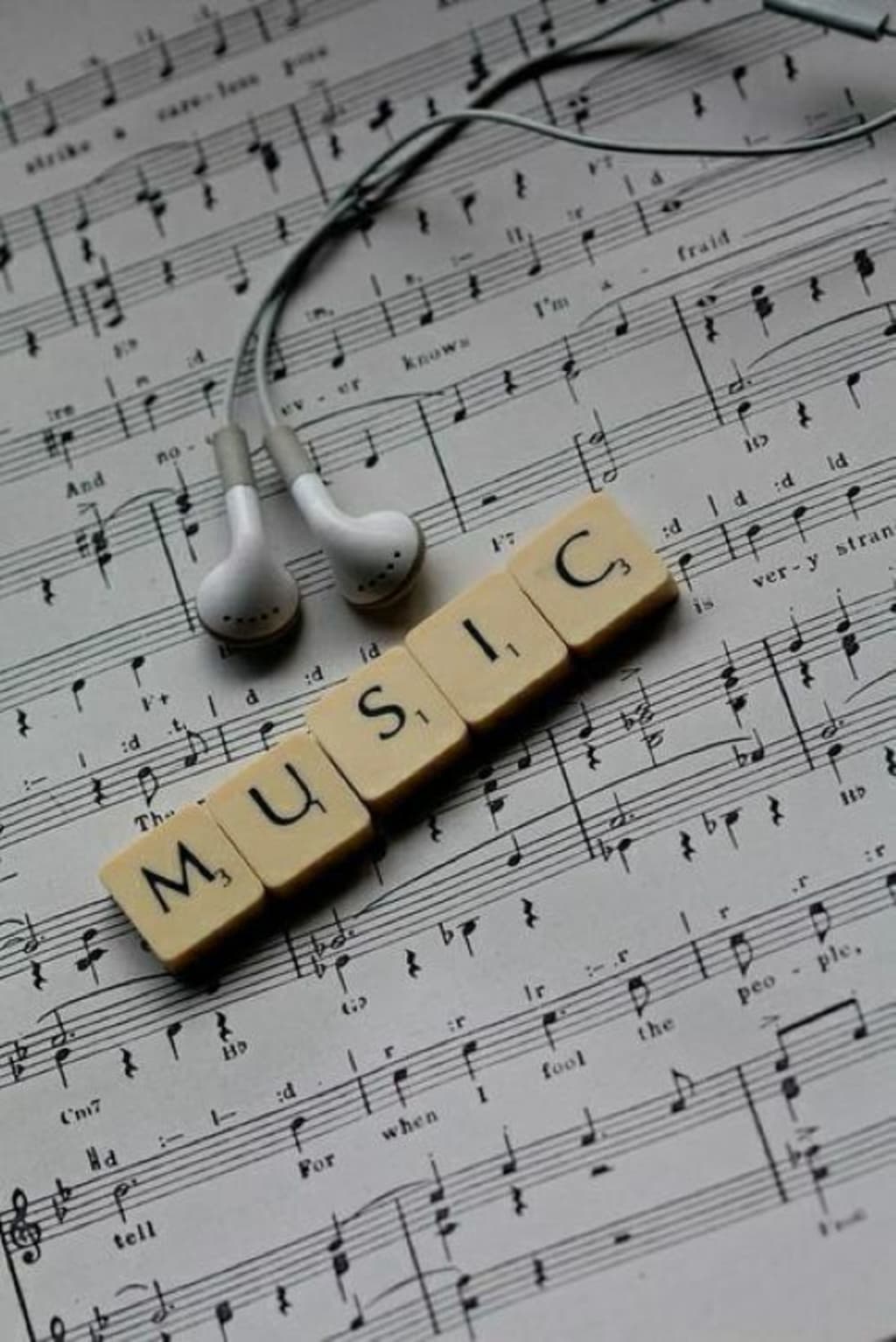
Music has always had a special place in storytelling. But today, it’s not just an accessory—it’s becoming the heartbeat of the narrative itself. From movies to podcasts, social media, and even video games, music isn’t just accompanying stories anymore; it’s transforming how we experience and connect with them.
Think about it: when you hear the first few notes of a familiar movie score, don’t they immediately take you to a specific moment? Whether it’s the epic theme from Star Wars or the haunting melody from The Godfather, music in storytelling does something unique—it amplifies emotion and guides our reactions.
But the way we experience music-driven narratives is changing. Let's take a moment and think about how you experience music today. Is it through a playlist while driving, a favorite track playing during a workout, or perhaps the background music in your favorite TV show? How do you feel when a song perfectly fits the scene or mood of a moment in the story? Music has this magical ability to amplify feelings, but now, it’s evolving in unexpected ways.
For example, have you ever listened to a podcast where the sound design becomes part of the story? The rise of podcasts is changing the way we consume narratives. Soundscapes, beats, and musical transitions aren’t just there to fill gaps—they guide your emotions, heighten tension, or provide relief. Close your eyes for a second. Picture yourself in a suspenseful podcast scene. What does the music sound like? What emotions does it stir up in you?
Now, let’s talk about video games. Gone are the days when music was a passive background element. Today’s game soundtracks are dynamic and interact with the player. Picture yourself in an intense moment of gameplay—does the music shift as you make a choice or take an action? It’s almost like the music itself is reacting to your decisions, helping to guide you through the emotional journey of the game.
And then there’s social media. We’ve all seen those viral TikToks or Instagram stories where a song can take a short video from ordinary to extraordinary. Music is now the driving force behind how we tell stories in just a few seconds. Have you ever heard a song that immediately made you think of a particular person or event? With social media, music becomes a shorthand for emotion, a way to condense complex feelings into a quick, relatable moment. How do you think a song can completely change the meaning of a simple video or meme?
It’s clear that music is more than just a passive element in storytelling. It’s interactive. It’s part of the experience. It’s shaping how we communicate stories, and it’s blurring the lines between mediums, emotions, and even cultures.
Think about it: in a world where boundaries are constantly shifting, music has the power to bring people together, regardless of background or language. How often do you hear a song from a different culture and feel an immediate connection? Music is a universal language, and it’s becoming central to how we connect and understand the stories of others.
So, how do you see music shaping the future of storytelling? Will it continue to evolve alongside technology, or will it lead the way in crafting more immersive, interactive experiences? The lines between music, emotion, and narrative are blurring, and it's an exciting time to be part of this transformation.
About the Creator
The Other Way
The Other Way – Story No. 2878 Nader had a gold watch, a precious gift from his grandfather. “Sir! Please, just give me two hundred rupees. You can deduct it from my wages. For God’s sake, have mercy on me, I am poor!” Nasser’s eyes were filled with tears as he clutched the feet of Seth Qamaruddin, pleading desperately.
By Sudais Zakwan3 days ago in Art




Comments
There are no comments for this story
Be the first to respond and start the conversation.