
The Rise of the Machines: How Technology is Replacing Humans and What We Can Do About It
As AI and automation reshape the workforce, adapting with resilience, innovation, and empathy is key to staying relevant in the future.
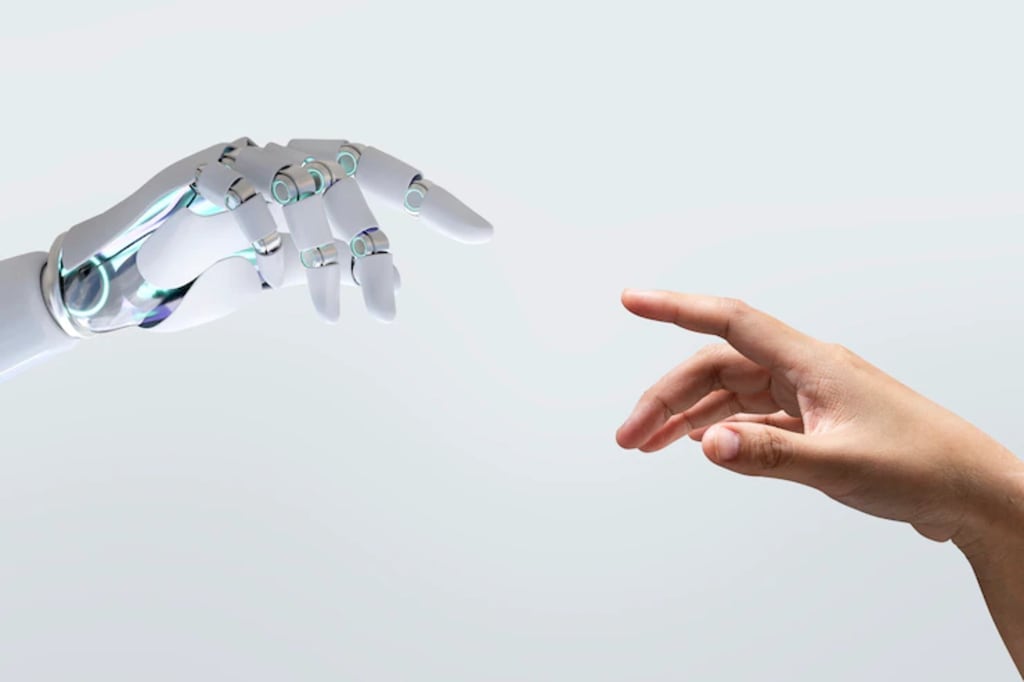
In just a few decades, technological advancements have reshaped the way we live, communicate, and work. From factory floors to corporate offices, machines and algorithms are increasingly replacing human roles once thought indispensable. Automation, artificial intelligence (AI), robotics, and machine learning are no longer futuristic buzzwords—they're realities changing the very fabric of the global workforce.
This revolution brings undeniable benefits: increased productivity, reduced costs, and faster results. But as the rise of technology continues, so too does the displacement of human labor. The big question now isn't if technology will replace humans—it’s what we do next.
---
How Technology Is Replacing Human Labor
1. Automation and Robotics in Manufacturing:
Robots have long been a staple in manufacturing, especially in automotive and electronics industries. Today, they are faster, smarter, and more efficient. They don’t tire, don’t demand raises, and can operate 24/7. As a result, thousands of factory jobs have disappeared globally. According to some studies, nearly 20 million manufacturing jobs may be lost to automation by 2030.
2. Artificial Intelligence in White-Collar Jobs:
AI is no longer confined to repetitive tasks. It can now perform complex functions like data analysis, legal research, customer service, and even medical diagnostics. Chatbots are replacing customer support agents, and software can now draft legal documents in minutes—displacing paralegals and junior associates. Even doctors are using AI for more accurate diagnostics, raising concerns about the long-term need for certain medical roles.
3. Self-Checkout and Delivery Automation:
Retail and food industries are undergoing a transformation. Self-checkout stations are replacing cashiers in supermarkets and convenience stores. Delivery services are becoming automated with drones and autonomous vehicles, cutting out human drivers and delivery personnel. Major retailers and food chains are actively investing in these systems to streamline operations and reduce human error.
4. AI-Driven Creativity:
Even creative fields are being disrupted. AI can now write articles, compose music, generate digital art, and create marketing content. While these tools are often seen as collaborators that enhance human creativity, they also introduce fierce competition, especially for freelancers and artists who rely on commissions and contract work.
---
The Human Cost of Technological Advancement
While businesses gain efficiency, the human cost is significant. Job displacement leads to economic instability, rising unemployment, and mental health challenges. Low-skilled workers are often the most affected, with fewer resources and opportunities to reskill or transition into tech-centric roles.
In developing countries, where cheap labor was once a competitive advantage, automation could deepen economic inequality and lead to broader social challenges if not addressed proactively.
---
What Can We Do About It?
1. Embrace Lifelong Learning:
The most effective way to stay relevant is through continuous learning. Governments, companies, and individuals must invest in education and upskilling programs that prepare people for emerging roles in tech, healthcare, green energy, and other growth sectors.
2. Focus on Human-Only Skills:
Machines can't replicate every trait—especially those uniquely human. Empathy, critical thinking, creativity, emotional intelligence, collaboration, and ethical decision-making remain invaluable. Jobs that depend on these skills—like teachers, therapists, social workers, and creative professionals—are harder to automate.
3. Support Universal Basic Income (UBI):
Some economists and futurists propose UBI as a safety net in an automated world. By providing a guaranteed income, individuals can pursue education, caregiving, or entrepreneurship without the constant fear of unemployment or poverty.
4. Encourage Ethical Tech Development:
Tech companies and governments must prioritize ethical considerations in AI and automation. This includes transparency, accountability, and ensuring that innovation benefits society as a whole—not just corporations or the elite. Policies must be created that protect workers and enforce responsible tech deployment.
5. Redesign Work Itself:
We need to rethink what “work” means in a tech-driven world. This could include shorter workweeks, more flexible roles, and human-machine collaborations that focus on improving well-being over profit margins. It's an opportunity to redefine success and productivity in more humane terms.
---
Conclusion: Technology as a Tool, Not a Threat
While it’s easy to view the rise of machines as a threat, technology is ultimately a tool. Its impact depends on how we wield it. If we approach it with fear and resistance, we risk being left behind. But if we engage with it creatively, ethically, and strategically, we can harness its power to build a more equitable, efficient, and fulfilling world.
The future isn't about choosing between humans and machines—it’s about designing a world where both can thrive, together.
About the Creator
Behind Closed Doors: The Silent Struggle of Sexual Mental Health
In a world that often celebrates sexual expression yet stigmatizes honest conversations about it, sexual mental health remains one of the most neglected aspects of overall well-being. While we openly discuss anxiety, depression, and physical health, our sexual selves—how we feel, think, and experience sexuality emotionally—are often buried beneath layers of shame, taboo, and silence.
By Shaida 9 months ago in Confessions
Dog Shoes for Small Dogs and Puppy Shoes A Practical, Paw-Friendly Guide
Small dogs and puppies may look tough, but their paws often need more protection than people realize. Their bodies are lighter, their paws are smaller, and many of them spend a lot of time on surfaces that were never designed for delicate paw pads. Add cold sidewalks, hot pavement, rough gravel, wet grass, or even slippery indoor floors, and you start to see why dog footwear has become more than just a cute trend.
By aliyashahzadi2 days ago in Art
Every Brushstroke Was a Wish
In the small, quiet town of Avelar, there was a woman named Lena who painted with the kind of passion that only the truly lost could understand. Her cottage was perched at the edge of a vast forest, the kind of place where the whispers of the trees seemed to reach through the windowpanes, mingling with the rhythm of her brush against canvas. People in the town would pass by and sometimes glance at the paintings displayed in her window. But few, if any, understood the soul of her work.
By Jhon smithabout 20 hours ago in Art



Comments
There are no comments for this story
Be the first to respond and start the conversation.