
The Rise of AI-Driven Creativity: Transforming Art, Media, and Beyond
The Rise of AI-Driven Creativity


in a world increasingly influenced by artificial intelligence (AI), creativity is no longer solely a human endeavor. From generating art to composing music and even scripting films, AI is transforming the landscape of creative industries. This technological revolution is not just a trend—it’s a paradigm shift that is reshaping how we create, consume, and think about art and media.
AI in Art: Redefining Boundarie
AI-driven tools like DALL-E, Mid Journey, and Stable Diffusion are revolutionizing the art world. These platforms can produce stunning visual artworks based on textual prompts, enabling artists and non-artists alike to explore uncharted creative territories. For instance, designers can quickly prototype ideas, and hobbyists can bring their imaginations to life without traditional art skills. However, this accessibility has sparked debates about authorship, intellectual property, and the role of human intuition in art
Historically, art has been a deeply personal and human expression, a reflection of emotions, culture, and individuality. AI's ability to generate art challenges this narrative by producing works that, while visually compelling, may lack the depth of human experience. Still, many artists view AI as a tool rather than a replacement, leveraging its capabilities to enhance their creativity rather than diminish it. By collaborating with AI, artists can push their boundaries and explore new dimensions of artistic expression.
Music and Writing: A Symphony of Collaboration
AI’s influence extends to music and literature as well. Tools like Open AI’s Muse Net and Google’s Magenta can compose music in diverse styles, blending genres and pushing creative limits. These platforms allow musicians to experiment with melodies, harmonies, and arrangements they might not have considered, opening doors to innovative compositions.
Similarly, writing assistants powered by AI are helping authors draft, edit, and refine their works, blurring the lines between human and machine contributions. Novels, scripts, and even poetry are being crafted with the help of AI, offering writers a collaborator that can generate ideas, suggest improvements, and even mimic specific styles. However, this raises questions about authorship and originality. When an AI contributes significantly to a work, who should take credit? And how do we measure the creative value of machine input versus human ingenuity?
AI in Film and Media Production
The film and entertainment industry is another frontier where AI is making waves. From scriptwriting algorithms to automated video editing and deep fake technology, AI is enhancing production efficiency and creating new storytelling possibilities. For example, AI-generated actors can bring historical figures back to life, offering fresh perspectives on history and culture.
Moreover, AI tools can analyze audience preferences, helping filmmakers tailor content to specific demographics. This data-driven approach enables creators to craft stories that resonate deeply with their audiences. However, these advancements also raise ethical concerns about authenticity, manipulation, and the potential for AI-generated content to overshadow human contributions.
Challenges and Ethical Considerations
Despite its transformative potential, AI in creativity poses significant challenges. Issues of bias, copyright infringement, and the devaluation of human artistry are hotly debated. AI models are trained on vast datasets that include existing works, which can lead to unintentional plagiarism or replAI in Art: Redefining Boundaries
AI-driven tools like DALL-E, MidJourney, and Stable Diffusion are revolutionizing the art world. These platforms can produce stunning visual artworks based on textual prompts, enabling artists and non-artists alike to explore uncharted creative territories. For instance, designers can quickly prototype ideas, and hobbyists can bring their imaginations to life without traditional art skills. However, this accessibility has sparked debates about authorship, intellectual property, and the role of human intuition in art.
Historically, art has been a deeply personal and human expression, a reflection of emotions, culture, and individuality. AI's ability to generate art challenges this narrative by producing works that, while visually compelling, may lack the depth of human experience. Still, many artists view AI as a tool rather than a replacement, leveraging its capabilities to enhance their creativity rather than diminish it. By collaborating with AI, artists can push their boundaries and explore new dimensions of artistic expression.
Music and Writing: A Symphony of Collaboration
AI’s influence extends to music and literature as well. Tools like OpenAI’s MuseNet and Google’s Magenta can compose music in diverse styles, blending genres and pushing creative limits. These platforms allow musicians to experiment with melodies, harmonies, and arrangements they might not have considered, opening doors to innovative compositions.
Similarly, writing assistants powered by AI are helping authors draft, edit, and refine their works, blurring the lines between human and machine contributions. Novels, scripts, and even poetry are being crafted with the help of AI, offering writers a collaborator that can generate ideas, suggest improvements, and even mimic specific styles. However, this raises questions about authorship and originality. When an AI contributes significantly to a work, who should take credit? And how do we measure the creative value of machine input versus human ingenuity?
AI in Film and Media Production
The film and entertainment industry is another frontier where AI is making waves. From scriptwriting algorithms to automated video editing and deepfake technology, AI is enhancing production efficiency and creating new storytelling possibilities. For example, AI-generated actors can bring historical figures back to life, offering fresh perspectives on history and culture.
Moreover, AI tools can analyze audience preferences, helping filmmakers tailor content to specific demographics. This data-driven approach enables creators to craft stories that resonate deeply with their audiences. However, these advancements also raise ethical concerns about authenticity, manipulation, and the potential for AI-generated content to overshadow human contributions.
Challenges and Ethical Considerations
Despite its transformative potential, AI in creativity poses significant challenges. Issues of bias, copyright infringement, and the devaluation of human artistry are hotly debated. AI models are trained on vast datasets that include existing works, which can lead to unintentional plagiarism or replication of biased perspectives present in the training data.
There’s also the question of how AI-generated content impacts employment in creative industries. Traditional roles such as illustrators, editors, and composers may face disruption as AI tools become more sophisticated. On the flip side, new opportunities are emerging for those who can harness AI effectively, such as AI trainers, prompt engineers, and technologists who bridge the gap between art and technology.
Moreover, the rapid adoption of AI raises concerns about the homogenization of creativity. If creators rely heavily on AI-generated ideas, there’s a risk that unique, culturally specific, and experimental works might diminish in favor of universally appealing but less distinctive outputs.
The Future of AI-Driven Creativity
As AI continues to evolve, its role in creativity is likely to grow more prominent and nuanced. Collaboration between humans and AI could lead to unprecedented innovations, fostering a new era of creativity that combines machine efficiency with human emotional depth. For instance, AI could be used to revive lost art forms, reinterpret classical works, or even create entirely new genres of expression.
Educators and policymakers must adapt to these changes, ensuring that creative tools are accessible while addressing ethical and legal implications. Integrating AI literacy into education can empower the next generation of artists and creators to use these tools responsibly and effectively. Governments and industry leaders must also work together to establish frameworks that protect intellectual property and uphold ethical standards.
In conclusion, the rise of AI-driven creativity is more than a technological trend—it’s a cultural shift with profound implications. Embracing this change requires balancing innovation with responsibility, ensuring that the future of creativity remains inclusive, ethical, and inspiring for generations to come.
The integration of AI into creative processes doesn’t diminish the value of human artistry; rather, it redefines it. By embracing this technology thoughtfully, we can unlock new realms of imagination and collaboration, making art and media more dynamic and accessible than ever before.
About the Creator
Keep reading
More stories from bishal minj and writers in Art and other communities.
Eat a Balanced Diet: The Foundation of Good Health
In our fast-paced lives, where convenience often takes priority, it’s easy to fall into poor eating habits—processed foods, sugary drinks, and fast food meals. While these options may be quick and tasty, they can harm your long-term health. That’s why understanding and following a balanced diet is so important. A balanced diet isn't about strict limitations or depriving yourself; it’s about feeling great, having more energy, and keeping your body strong.
By bishal minj9 months ago in Lifehack
When the Artist Becomes the Art
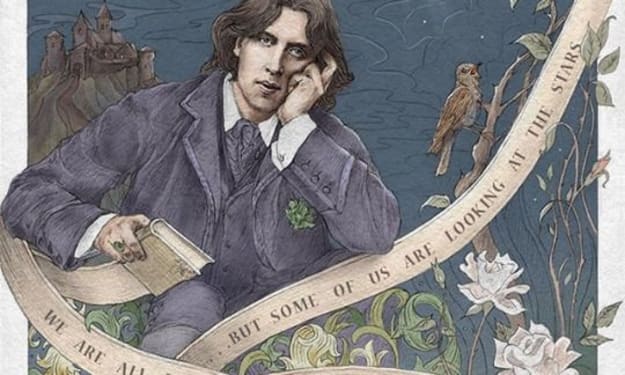
We like to think we can separate the art from the artist, but can we, really? Art is born from the same place as sin. It mainly emerges from conflict: between what is felt and what is permitted, between the self that is lived and the self that must be hidden. No figure embodies this tension more vividly than Oscar Wilde: a man who transformed his own contradictions into style, wit, and devastating clarity. His novel The Picture of Dorian Gray is not merely a tale of aesthetic decadence but the battleground on which this question is fought.
By Yasmine Lagras3 days ago in Art



Comments
There are no comments for this story
Be the first to respond and start the conversation.