
The Rise of AI and Its Impact on Human Creativity
Exploring the Intersection of Artificial Intelligence and Human Creativity: How AI is Transforming the Future of Art, Music, and Writing

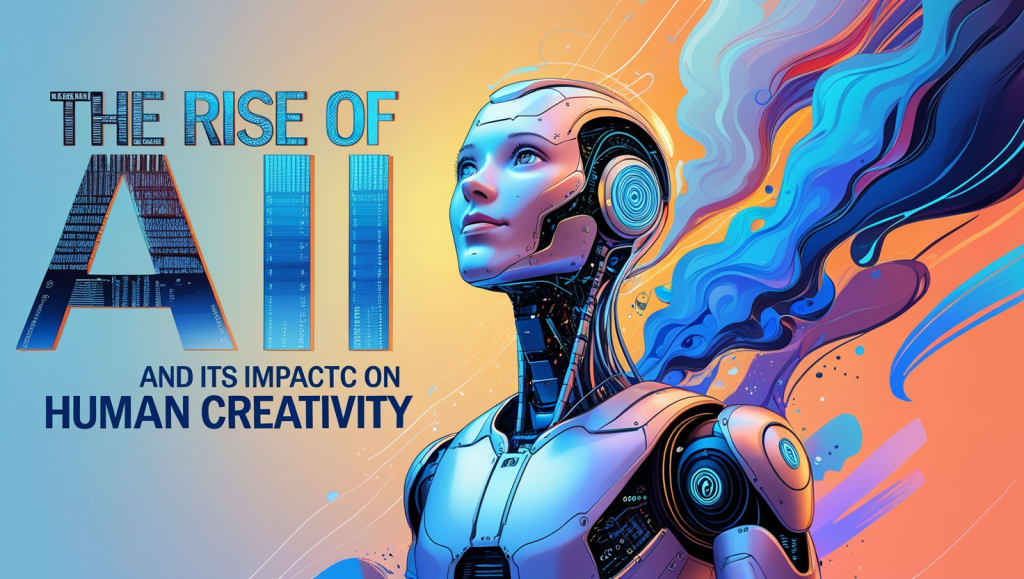
Artificial Intelligence (AI) is rapidly changing the way we live, work, and think. From self-driving cars to predictive algorithms in social media, AI's influence on various industries is undeniable. But perhaps one of the most intriguing areas where AI is making a significant impact is in the world of human creativity.
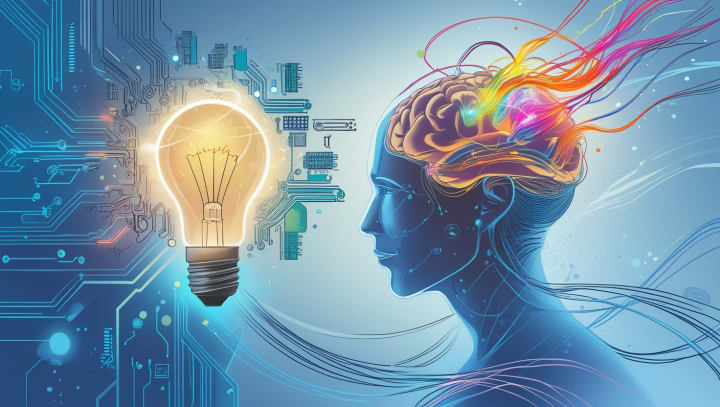
At first glance, AI might seem to be a tool that threatens to replace human creativity altogether. After all, if machines can write poems, compose music, or generate artwork, where does that leave the human artist? Yet, AI’s growing presence in creative fields is not about replacing human ingenuity; rather, it is reshaping the way creativity is approached, shared, and experienced.
AI as a Creative Tool, Not a Replacement
One of the key aspects of AI’s role in creativity is that it acts as a tool that enhances, rather than competes with, human potential. While there’s no doubt that AI has made impressive strides in generating content, it’s important to remember that it is still guided by algorithms created by humans. AI can be a powerful assistant, offering inspiration, streamlining mundane tasks, and even suggesting innovative approaches that human creators may not have considered.
Take, for example, the rise of AI-generated music. Platforms like OpenAI's Jukedeck or Amper Music allow anyone to compose custom soundtracks by inputting simple parameters like mood or genre. These tools do not replace musicians but instead serve as collaborators, enabling creators to experiment with new sounds or quickly generate background scores for their videos or projects.
Similarly, AI tools like DALL-E and MidJourney are allowing visual artists to create stunning works of art by simply typing out a description of their vision. These tools are not about eliminating the need for artists but rather providing a fresh canvas for creative exploration. The integration of AI in artistic fields opens the door for more people to try their hand at creativity, making art more accessible to non-artists and aspiring creators.
Redefining the Boundaries of Creativity
AI’s involvement in creative fields has begun to challenge traditional notions of what it means to be "creative." For centuries, creativity has been considered an exclusively human trait, something that sets us apart from other species. However, as AI continues to evolve, the distinction between human and machine creativity is becoming increasingly blurred.
One compelling example is the work of AI artists like "Obvious," a Paris-based collective that created the controversial AI-generated portrait "Edmond de Belamy." The painting, which was generated by an algorithm trained on portraits from the 14th to 20th centuries, sold at Christie's auction house for over $432,000 in 2018. While the idea of an AI-created piece of art may have been met with skepticism initially, the success of "Edmond de Belamy" sparked a wider conversation about the intersection of technology and art.
This shift in perception is forcing society to rethink our definition of creativity. Is creativity solely the domain of humans, or can it be shared with machines? The answer is likely somewhere in the middle. AI-generated art, music, and writing challenge us to consider the ways in which creativity is a product of both human intention and machine computation.
Democratizing Creativity
Another crucial benefit of AI in creative fields is its ability to democratize access to artistic expression. In the past, the barriers to entry for many creative industries were high—whether it was expensive music production equipment, painting supplies, or technical expertise required for graphic design. With the advent of AI, these tools are becoming more accessible and affordable for the masses.
AI is empowering people who may have previously never considered themselves creative to engage in the process of creation. Tools that automate the design process or generate written content allow aspiring writers, designers, and musicians to quickly bring their ideas to life, even if they don’t have formal training in those fields. This democratization of creativity opens up new possibilities for self-expression and innovation.
For instance, AI writing assistants like ChatGPT or Jasper have transformed the writing process. Writers who struggle with brainstorming or overcoming writer's block can now use AI to generate ideas or even complete drafts. While these tools are still far from perfect, they offer a starting point for anyone with a story to tell, and as they evolve, they will only improve in their ability to collaborate with human writers.
Ethical Considerations and Challenges
While the rise of AI in creativity holds much promise, it also brings with it a host of ethical considerations. As AI-generated content becomes more prevalent, questions about originality, authorship, and intellectual property are becoming more pressing. Who owns the rights to an AI-generated painting or song? If an AI can write an entire novel, should it receive credit as the author, or is the human creator who guided the machine’s process entitled to recognition?
Moreover, as AI becomes more adept at imitating human creators, there is the potential for misuse, such as generating deepfake content or plagiarizing existing works. As with any emerging technology, regulation and responsible use of AI will be key to ensuring that it is used ethically in creative industries.
The Future of AI and Creativity
Looking forward, it’s clear that AI will continue to play an increasingly important role in the creative industries. However, instead of rendering human creativity obsolete, it is likely to enhance and redefine it. AI will empower artists, writers, and musicians to push boundaries and explore new realms of possibility, all while working alongside machines as collaborators, not competitors.
In conclusion, AI is not the end of creativity; it is simply a new chapter. The future of creativity will likely be defined by the harmonious integration of human talent and machine intelligence. The challenge for creators in the coming years will be to embrace these new tools without losing sight of the human heart at the core of the creative process.
About the Creator
Jassica
I am Jassica! is a passionate article writer with a focus on literature, storytelling, and creative writing. Known for insightful analyses and clear, compelling writing, Jassica brings imagination and depth to every article
'Till Death We Do Art
There would be nothing divine in this world without art. Nature may surpass the divine to all intents and purposes, but like everything it absorbs and is absorbed by, it remains here, stuck on the surface of this world, ever-present, physically bound to the universe.
By Avocado Nunzella BSc (Psych) -- M.A.P 26 days ago in Art
The Rise of Decentralized Social Media and What It Means for Content Creators
For most of the past two decades, a small number of centralized platforms have dominated the social media landscape. Companies like Facebook, Instagram, X (formerly Twitter), and TikTok built massive ecosystems that attracted billions of users, but they did so under a model where the platform holds ultimate control over content, data, and revenue distribution. Creators who poured time and energy into building audiences on these platforms often found themselves at the mercy of opaque algorithms, sudden policy changes, and revenue-sharing structures that heavily favored the platform itself.
By Chaturbateme4 days ago in Art




Comments
There are no comments for this story
Be the first to respond and start the conversation.