
The Rhythm of K-pop
Unveiling the global phenomenon and cultural impact

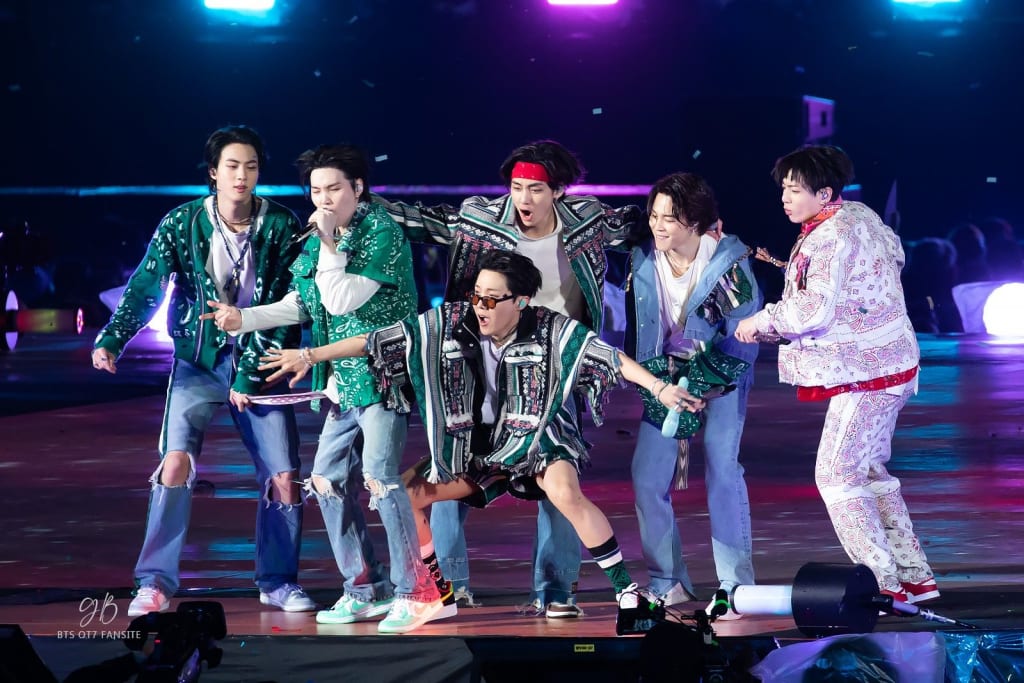
In recent years, the world has witnessed an unprecedented rise in the popularity of Korean pop music, also known as K-pop. With its catchy melodies, synchronized dance routines, and visually stunning performances, K-pop has captivated audiences worldwide. This essay explores the reasons behind K-pop's global success, its impact on the music industry, and the cultural significance it holds for its passionate fanbase.
The Rise of K-pop
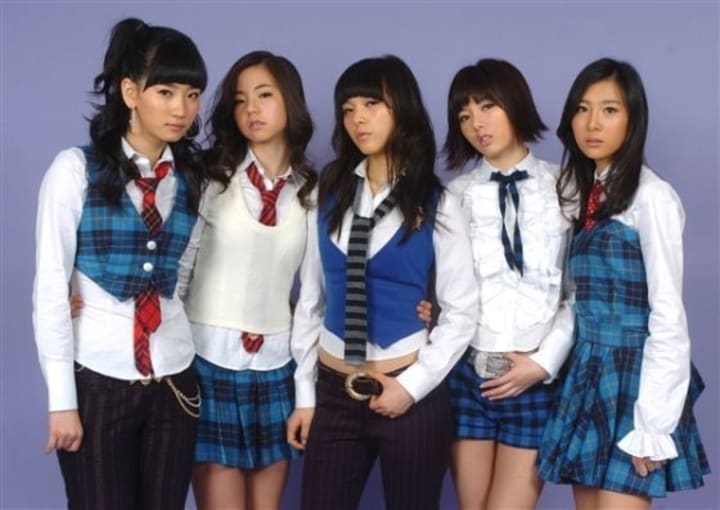
K-pop's journey to global stardom can be traced back to the early 2000s when Korean entertainment companies began meticulously crafting their artists' image and sound. By combining elements of pop, hip-hop, R&B, and electronic music, K-pop created a unique and addictive sound that appealed to a diverse range of listeners. Additionally, the emphasis on high-energy dance routines and visually striking music videos further contributed to its appeal.
Global Reach and Fan Engagement
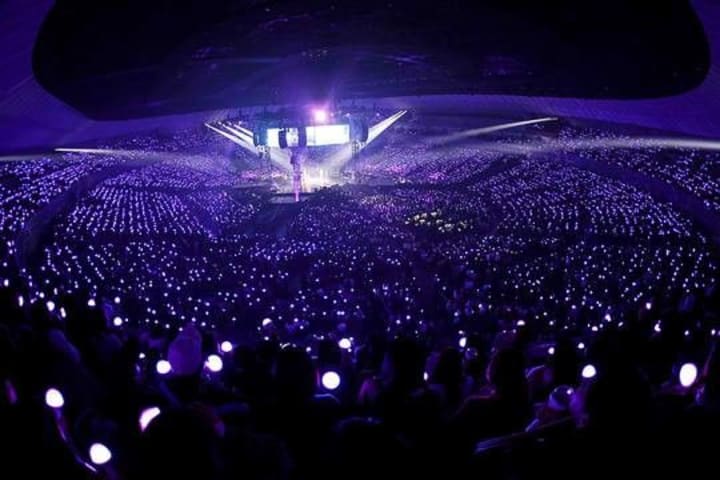
One cannot discuss K-pop without acknowledging the passionate fandoms that support and propel the genre forward. These fandoms play a crucial role in the success of Kpop, with fans organizing events, creating fan art, and even crowdfunding projects to support their favorite artists. The dedication of these fans is unparalleled, with many devoting countless hours to supporting their idols. This sense of community and belonging has created a powerful bond between fans, fostering a global network of individuals who share a love for K-pop.
The interaction between idols and fans is unparalleled in any other music industry, with artists regularly communicating with their followers, hosting live chats, and even participating in fan-driven challenges. This level of engagement fosters a sense of community and belonging among fans, creating a unique bond that transcends geographical boundaries.
Cultural impacts

K-pop has transcended borders and language barriers, captivating millions of fans worldwide. From its meticulously choreographed dance routines to its catchy melodies, K-pop has become a cultural force to be reckoned with.
Beyond its musical prowess, K-pop serves as a cultural ambassador for South Korea. Through its music videos, fashion choices, and diverse group dynamics, K-pop showcases the country's rich culture and traditions to a global audience.
Moreover, K-pop has become a vehicle for cultural diplomacy, showcasing Korean traditions, fashion, and language to a global audience. K-pop's influence extends beyond just music; it has become a driving force in shaping beauty standards, fashion trends, and even language acquisition.
The Hallyu wave, or the Korean Wave, refers to the spread of Korean culture and entertainment worldwide, with K-pop being one of its most prominent components. The Hallyu (Korean Wave) phenomenon has led to an increased interest in Korean language and culture, with many fans actively learning the language and immersing themselves in Korean traditions.
Through K-pop, South Korea has been able to promote its culture and boost tourism, attracting fans from around the world to visit the country.
Challenges and Criticism

However, K-pop is not without its fair share of challenges and criticisms. The industry's intense training system, which often starts at a young age, has faced scrutiny for its impact on artists' mental health. Additionally, the pressure to maintain a perfect image and meet the expectations of fans can be overwhelming for idols. Furthermore, accusations of cultural appropriation and the commodification of artists have sparked debates about the ethics within the industry.

K-pop has become more than just a genre of music; it is a global phenomenon that has captivated hearts and minds around the world. With its infectious melodies, captivating performances, and passionate fandoms, K-pop has transcended cultural boundaries and sparked conversations about identity, representation, and societal norms. As the rhythmic pulse of K-pop continues to resonate, its impact on both Korean society and the global stage will undoubtedly leave an indelible mark on popular culture for years to come.
About the Creator
Smiley
Memories are like chocolate-filled boxes
Keep reading
More stories from writers in Art and other communities.
'Till Death We Do Art
There would be nothing divine in this world without art. Nature may surpass the divine to all intents and purposes, but like everything it absorbs and is absorbed by, it remains here, stuck on the surface of this world, ever-present, physically bound to the universe.
By Avocado Nunzella BSc (Psych) -- M.A.P 23 days ago in Art
Heavenly Harmonies and Heavy Criticisms: The Complex Rise of Bethel Music
Heavenly Harmonies and Heavy Criticisms: The Complex Rise of Bethel Music Walk into almost any contemporary Christian church on a Sunday morning—whether in London, Lagos, or Los Angeles—and you are almost guaranteed to hear their music.
By Nivard Anna3 days ago in Art
Why Didn't Anyone Tell Us
Men, move along. This is not for you. This is for the women. I was forty-five when I began menopause. It is pretty young for that to be going on in a woman’s life, but I had undiagnosed PCOS, my entire life. Thank you to all the gynecologists I had seen my entire life. That in itself should encourage women to keep seeking second opinions, especially when you are not getting correct answers or any at all.
By Alexandra Granta day ago in Humans




Comments
There are no comments for this story
Be the first to respond and start the conversation.