
The Reality of Being a K-Pop Artist
When Art and Capitalism Crash
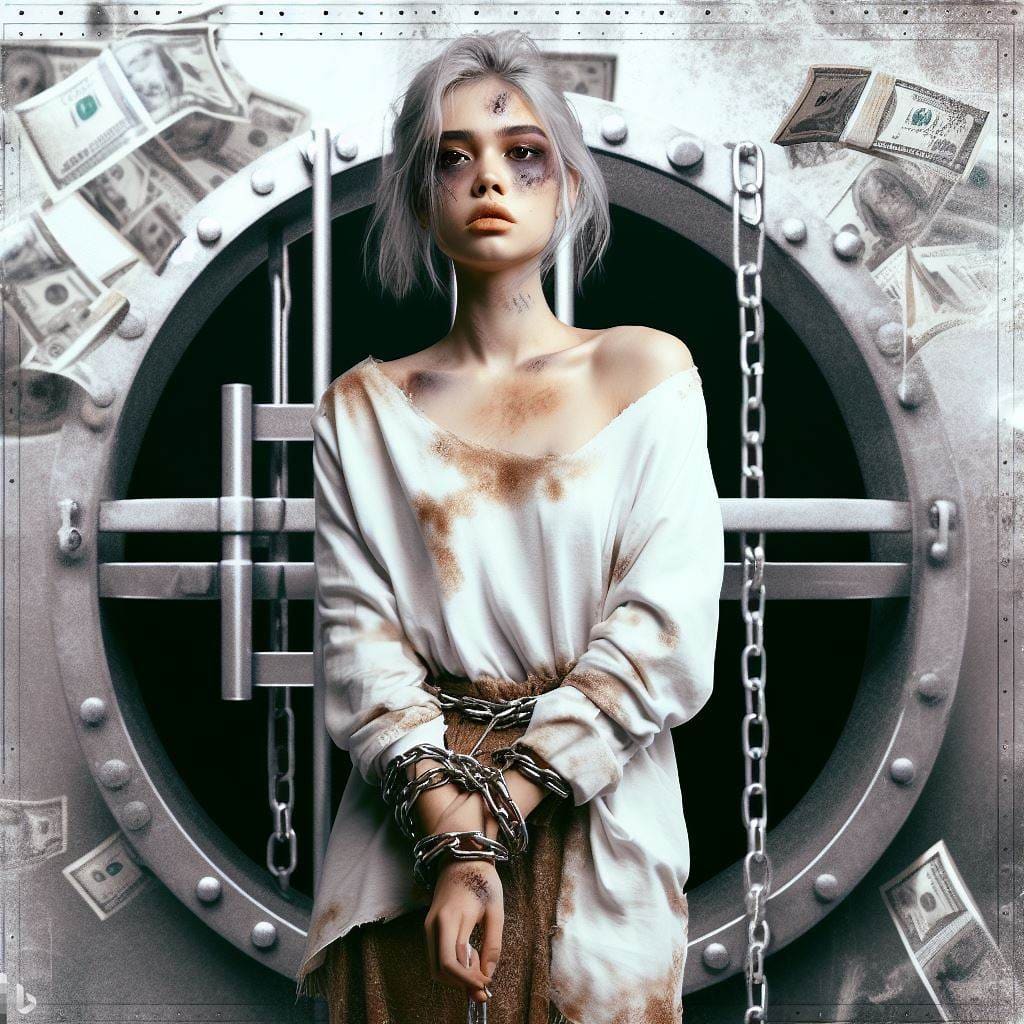
Korean pop music, commonly known as K-pop, has often been observed as an accelerated rendition of Western pop music. It exhibits a heightened vibrancy, dynamic energy, and meticulous precision, with an ever-evolving array of styles and genres, and rapid transitions between song sections. The meticulously coordinated choreography and high-budget music videos underscore the collective effort and technical finesse involved in its creation. A deeper exploration of K-pop's genesis reveals a history intertwined with South Korea's political and socio-economic evolution.
South Korea's inception in 1948 during the Cold War, as a U.S. proxy state to counter communism, set the stage for its early leadership under anti-communist dictator Syngman Rhee. Rhee's rule was marked by extrajudicial imprisonments, executions of leftists, and civilian massacres, all while receiving substantial American aid. This political landscape, riddled with upheaval and authoritarianism, remained in place until democratic reforms in 1988. These events laid the foundation for K-pop's unique trajectory.
K-pop's distinct development was influenced by three key factors: an upsurge in South Korea's wealth, stringent media censorship, and limited labor rights. Prior to the 1990s, the absence of a thriving pop industry in South Korea can be attributed to the monopolistic control of popular music by a mere two television channels. This TV-centric environment led to a strong emphasis on visual aesthetics, fashion, and choreography, characteristics that endure in K-pop to this day. The "star system" on these TV channels dictated that artists had no creative control, with songwriting, choreography, and production chosen on their behalf.
The true inception of K-pop as we know it today occurred in the early 1990s when South Koreans became acquainted with Western pop culture via the internet. Seo Taiji and The Boys blended Korean pop music with Western influences, igniting the craze that continues to captivate audiences worldwide. Furthermore, the 1990s witnessed a shift in South Korea's economic focus from industries like automobiles and electronics to the cultural sector, prompting the establishment of major K-pop managerial companies such as SM Entertainment, YG Entertainment, and JYP Entertainment.
In response to an initial failure, SM Entertainment pioneered a groundbreaking approach, often referred to as the "in-house" system, where every aspect of an artist's career was meticulously controlled by the company, from music production and licensing to image management and talent development. This system set a successful precedent for the K-pop industry, followed by major managerial companies.
The process of grooming South Korea's idols typically commences with aspiring talents participating in company-run auditions. Those deemed talented enough become trainees, embarking on a rigorous journey of musical and choreographic training. This period, which can extend to five years or more, requires trainees to surrender personal freedom, comfort, and even certain aspects of their appearance. The training environment is highly competitive, with trainees subject to scrutiny and often subjected to abuse. Trainees must endure emotional and psychological challenges, including the constant threat of being dropped by the company.
The grueling schedules persist even after trainees become idols, leading to instances of extreme exhaustion and emotional strain. The contracts they sign, often referred to as "slave contracts," can extend up to thirteen years, with meager wages for the artists themselves. South Korea's labor laws and workers' rights play a significant role in this system, with minimal protections and a precarious job market pushing young talents into the K-pop machine.
Moreover, the age at which many trainees begin their careers is remarkably young, often lacking a full understanding of the implications of their choices. Sacrificing personal lives, education, and friendships, they undergo intensive training to mold themselves into marketable products for the company. The competitive nature of the industry fosters a culture that discourages lasting friendships among trainees.
The advent of piracy led managerial companies to pivot towards connecting idols with commercial products and saturating the media to maintain profitability. K-pop idols evolved into multifaceted entertainers, endorsing a wide array of products and appearing in various media forms. This interplay between K-pop and consumer culture reinforced the industry's influence on a broad spectrum of sectors, including fashion, advertising, and entertainment.
However, this level of commercial success and cultural influence is largely orchestrated by a triad of major managerial companies, which manufacture K-pop culture in alignment with consumer demand. These companies not only dictate what is popular but also shape the very definition of what is considered "popular." The K-pop industry operates within a self-perpetuating cycle, where idols are influenced by what is popular, and conversely, popular culture is shaped by fully manufactured K-pop idols.
The K-pop industry's assembly-line approach results in an overproduced product compared to its Western counterparts. Music videos are saturated with visual elements, genres, and fashion choices, reflecting the desires of multiple stakeholders. This intense level of production stems from the strict division of labor and the drive to maximize output, often at the expense of creative autonomy for the artists.
Ultimately, behind K-pop's bright and glamorous facade lies a complex and often dark reality. The industry's success is built on a foundation of sacrifice, disposability, and a paradoxical blend of control and dependence. Understanding the stark contrast between the industry's appearance and the underlying hardships reveals the profound incongruity between capitalism's portrayal and its underlying material conditions.
About the Creator
Keep reading
More stories from James Watson and writers in Art and other communities.
Shrek - An Economic Analysis
In the Shrek universe, the ogre archetype is universally perceived as a menacing and violent creature. However, a careful examination of the central character, Shrek, reveals that these conventional notions are unfounded. Shrek, in fact, espouses a pacifist disposition, preferring to sidestep confrontations and resort to nonviolent means of self-defense. This characterization hints at the broader theme of disenfranchisement and stereotyping faced by ogres within the context of the film.
By James Watson2 years ago in Art
2026 Commercial Space Design:How Fbierglass Sculpture Drives Traffic
Today, offline commercial spaces are facing continuous pressure. With e-commerce offering convenient and fast services, physical stores must showcase unique features to attract customers. In this context, fiberglass sculptures are no longer merely decorative items; they have become visual focal points in shopping malls, brand stores, pop-up shops, and mixed-use commercial projects, playing a crucial role in increasing foot traffic.
By Shenzhen Ruiheng Crafts4 days ago in Art
Why Strategic Branding Is Essential for Long-Term Business Growth
In today’s fast-paced digital environment, businesses face constant pressure to stand out. Consumers are exposed to endless choices every day, making attention harder to earn and trust harder to keep. While quality products and services are important, they are no longer the only factors that determine success. Strategic branding plays a key role in helping businesses grow steadily and remain relevant over time.
By Ayush Bagwari4 days ago in Art


Comments
There are no comments for this story
Be the first to respond and start the conversation.