
The Quiet Rebellion in Your Teacup: How Porcelaire Revives a 1,000-Year-Old Legacy
Why handmade Jian Zhan bowls are reclaiming their place in modern mindfulness

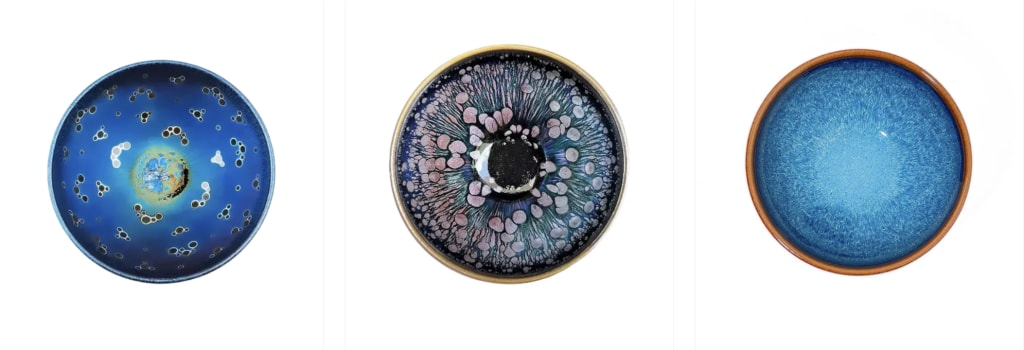
My first encounter with a Song Dynasty Jian Zhan tea bowl felt like holding midnight sky crystallized in clay—streaked with constellations of iron-born stars. Today, that same ancient magic is being rekindled by artisans like those at Porcelaire, a brand quietly bridging centuries of tea culture for our fractured, fast-moving world.
Each bowl whispers of stillness, drawing us back to the present with every sip.
The Kiln’s Whisper: A Brief History
Jian Zhan (建盏) emerged in China’s Fujian province during the Song Dynasty (960–1279 CE). These weren’t mere vessels; they were alchemy. Monks treasured them for deepening meditation, emperors for their otherworldly beauty. The secret lay in:
- Iron-rich clay dug from Jianyang’s hills,
- Reduction firing at 1300°C+ in oxygen-starved kilns,
- Natural crystallization that birthed oil-spot glazes or hare’s-fur streaks—each pattern unique, unrepeatable, a fossilized moment of fire and earth.
When Zen Buddhism carried these bowls to Japan, they earned the name Tenmoku (天目). But their soul remained Chinese.
Fun fact: Museums auction Song-era Jian Zhan for millions. Why? Less than 1% survived the kiln’s volatility—a testament to their fragile power.
Why Your Morning Matcha Craves This Bowl
Modernity loves disposable things. Jian Zhan rebels. Porcelaire’s pieces aren’t revivalist props; they’re functional art:
- Heat guardians: Thick walls keep tea hotter 3x longer than porcelain.
- Tea’s canvas: Dark glaze magnifies emerald matcha or amber oolong.
- Tactile meditation: The weight, the rough-hewn texture—they demand you slow down.
“We don’t make ‘tea ware,’” says Porcelaire’s lead artisan. “We make anchors for the present moment.”
The Making: Where Science Meets Sorcery
I watched a Porcelaire kiln unloading last spring. Out of 100 bowls, 7 achieved the silver-hare glaze—the rest cracked or dulled. Such is Jian Zhan’s ruthless poetry. Their process honors tradition:
Step: Tradition Meets Today
Clay: Jianyang iron-rich stoneware
Glazing: Plant-ash glaze layered by hand
Firing: 1320°C in gas-reduction kilns (wood-firing’s modern cousin)
Magic: Crystals form as iron oxidizes without oxygen—a kiln’s controlled suffocation
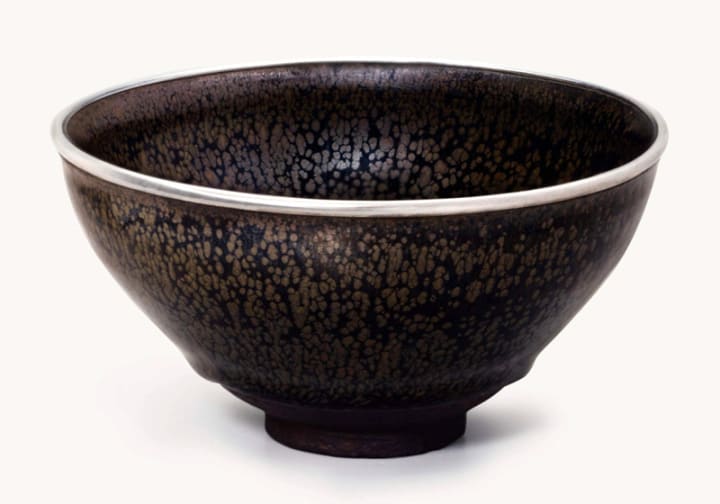
Song Dynasty Oil-Spot Tenmoku – Sold for $11.7 Million
In 2016, a Jian Zhan tea bowl from China’s Song Dynasty made headlines when it went under the hammer at Christie’s New York. This wasn’t just any tea bowl—it featured the coveted “oil-spot” glaze, where silver metallic flecks shimmer against a deep black base like stars scattered across a night sky. The result? An eye-watering final price of $11.7 million USD, making it the most expensive Tenmoku bowl ever sold at auction. Collectors and connoisseurs alike were captivated by its rarity, timeless beauty, and impeccable condition.
The Revival of Jianzhan in the Modern World
While Jianzhan was once reserved for emperors and monks, its allure has not faded with time. In fact, the past two decades have witnessed a quiet but powerful revival of this ancient ware—both in China and abroad. Modern ceramicists are reinterpreting traditional glazes with contemporary firing techniques, creating pieces that echo the aesthetics of the Song Dynasty while appealing to today’s minimalist sensibilities.
Collectors, tea masters, and lovers of slow living are once again turning to Jianzhan for its meditative presence and unique visual character. With the global rise of gongfu tea culture and mindfulness movements, these tea bowls are finding their way onto shelves in New York lofts, Kyoto tearooms, and Scandinavian design stores alike. What was once a symbol of imperial elegance is now cherished as an emblem of artisanal authenticity and mindful living.
The Invitation
Visit Porcelaire’s gallery to witness glaze variations even Song emperors rarely saw: oil-spot nebulas, blue-hare rarities, and the ghostly silver streaks named yao bian (曜變)—“kiln change.”
“Every bowl holds two stories: the one written in the kiln, and the one you’ll write with every sip.”
Read more in our blog: https://porcelaire.com/blogs/jianzhan/
About the Creator
Porcelaire
Handcrafted Tenmoku and Jianzhan tea cups, designed for mindful tea rituals.
Rooted in traditional Jian ware, each cup reflects quiet strength and deep glaze stillness—perfect for green tea, slow mornings, or moments of meditation.
Keep reading
More stories from writers in Art and other communities.
Creativity in the Dark
Creativity does not always arrive in bright rooms with clean desks and clear intentions. More often, it slips in quietly—late at night, when the world has dimmed its expectations and the mind is no longer on display. This is creativity in the dark: private, unpolished, and deeply human.
By LUNA EDITHa day ago in Art
The Path to Salvation
The late autumn evening air filled the monk's lungs, but it wasn't the season that chilled his bones. The heavy-handed presence of evil he had sensed upon entering the woods surrounding this mountain village had not bothered to conceal itself from him.
By Made in DNAa day ago in Fiction


Comments
There are no comments for this story
Be the first to respond and start the conversation.