
The Philosophy of Graffiti: Painting Pathways to Healing
Graffiti isn't just a name on the wall ... with A.I.

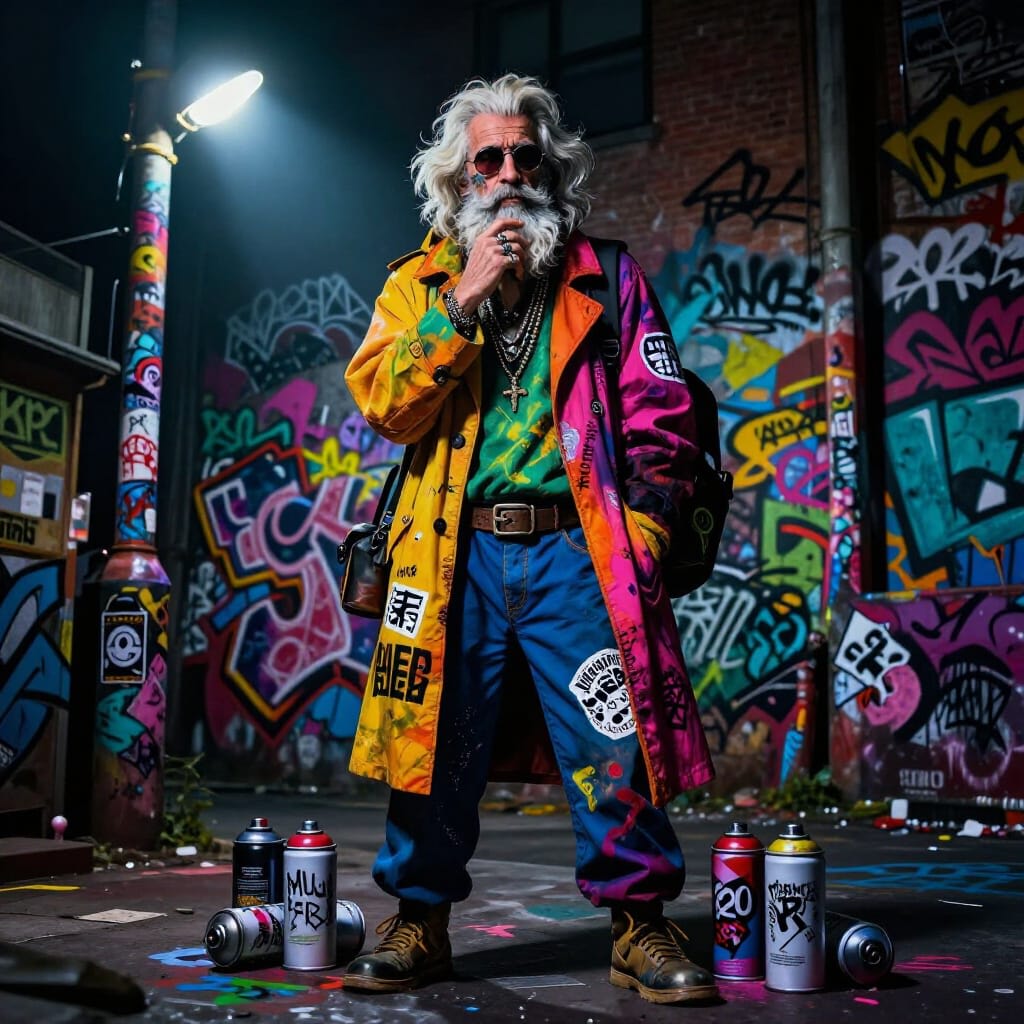
Art has a definite ability to heal and nurture the human spirit. While most people think of art therapy in terms of conventional canvas and brush, a less conventional medium has been discovered with a surprisingly therapeutic effect: Graffiti and Street Art. While most people think of art therapy in terms of conventional canvas and brush, a less conventional medium has been discovered with a surprisingly therapeutic effect: Graffiti and Street Art. While most people think of Graffiti and Street Art in terms of eye-catching letters and images, and bright and bold colors, they offer a unique form of self-expression that can unleash human emotions and heal human souls.
This article will discuss Graffiti not only as a phenomenon but also as a philosophy with a therapeutic effect on both artists and viewers, changing lives and starting conversations.
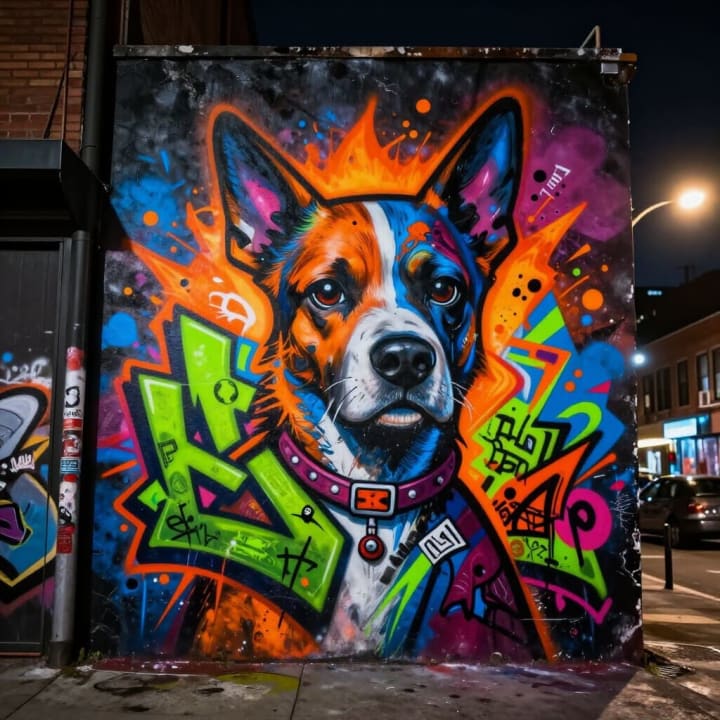
What Makes Graffiti Art?
Graffiti can and should be viewed as an artistic form because it can be a fantastic way to express yourself in a creative way. According to Britannica, “art is a visual object or experience consciously created by a display of skill or imagination.” In essence, art is a display of the artist's inner self.
These artistic forms are interesting to people as a means of social expression, and they come in all shapes and sizes, ranging from simple identification marks, raw protests and political statements, to intricate and breathtaking scenes that all people would call artistic, no matter how rough the setting may be.
Philosophical Underpinnings: Self-Expression, Identity, and Community
Graffiti, in essence, is a political statement you leave out in everyday life in the city. It’s us, as city people, making our way through life in an increasingly cookie-cutter, soulless world, and using art as a means of fighting back. It’s like Benjamin’s idea of graffiti, providing an instant flash of fight and self-discovery, going against the system, or “going against the grain.” It’s going against the main flow of the high-capital world, where culture and production are churned into some kind of consumeristic mess.
The graffiti artists show who they are in a world where they’re expected to be anonymous and where social problems don’t exist. It’s an incredibly bold statement of unfiltered individuality and rebellion in an environment where self-expression itself seems locked down.
Identity Formation and the Search for Recognition
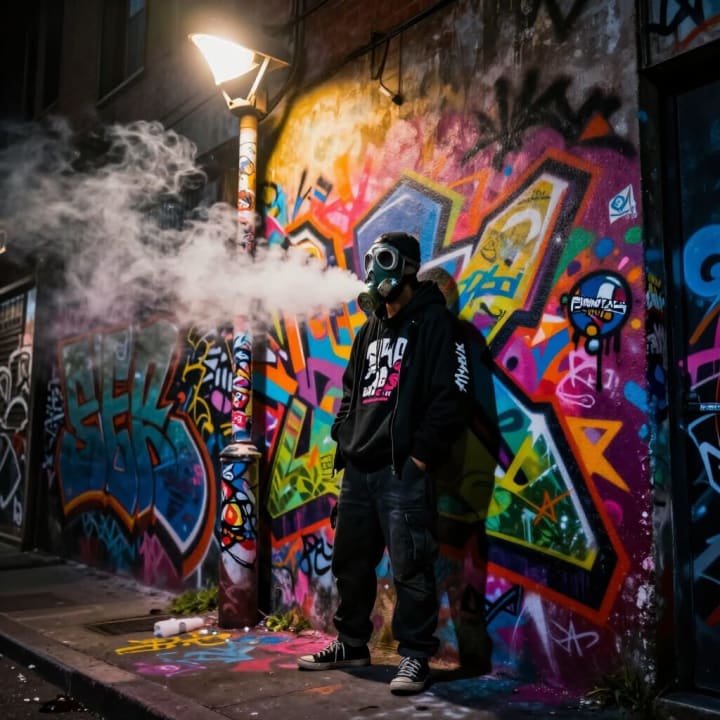
Research conducted using the symbolic interaction method developed by George Herbert Mead reveals that a graffiti writer/bomber chooses to write graffiti as a means of self-expression and to prove their own existence.
The findings suggest that graffiti is associated with teens seeking to discover their identity. It enables self-affirmation, being recognized, and receiving feedback and mutual respect.
Graffiti is a means for young people to express their identity, emotions, and criticisms. It provides a platform for self-expression without any restrictions. Through graffiti, they can express their social and personal concerns visually.
The Brotherhood of Community
Graffiti’s like a brotherhood with its own codes, history, and membership, and all of this lives inside a larger culture of free expression. There’s an actual code among writers, and their own way of relating to each other, like an urban tribe, communicating through their art. When we were tagging, rolling out with other writers, and living by the codes of graffiti, these were all basics, and I felt like I was part of something, and it felt good, with real, raw emotional impact.
Psychological Benefits: Emotional Release and Catharsis
The art of paintin’ graffiti is a gut-punch of an experience. They show up with a crew to a blank wall, usually somewhere gnarly in a city, and just go wild with their creativity in a free and unstructured way. It’s a wild release, man. Your frustrations, your joys, your delusions, your worries, your hopes—all come with the spray paint.
Graffiti art creates a tight social network that provides a person with a sense of purpose and a support network that is beneficial to a person’s mental health. Making art like this isn’t just fun, it’s a natural stress-reliever and a workout for your brain. The concentration required to plan and execute a graffiti art piece gets your brain working on different levels. For a person with attention issues or brain fog, it’s a nice, low-stakes, highly engaging cognitive workout.
The bottom line is that some artists use graffiti art as a means of therapy. Some people like to hit the gym, read a book, or hang out with friends. For graffiti artists, it’s a desire to be alone on the tracks during that twilight hour, away from the hustle and bustle of city life like a distant franchise.
For the Viewers and Community
The transformation of dull, monotonous urban spaces into vibrant, colorful graffiti is, in itself, a means of empowerment. Graffiti artists believe that they are making a difference to their surroundings, a difference that is positive and productive. Such a feeling of accomplishment is sure to boost one’s self-esteem and confidence, which is essential for emotional well-being.
Research and Expert Perspectives on Mental Health Benefits
Research has shown that engaging in painting graffiti can have a positive effect on mental health and well-being. Most of the people involved in the study had negative mental health issues, and their conditions improved through painting graffiti. Only one person had never experienced hearing voices, mood swings, anxiety, or panic attacks.
In relation to the prevalence rate of autism in the UK, which stands at approximately 1%, in this study, 19% of the graffiti artists had an autism diagnosis. Among the 37 people who answered a questionnaire while painting at a jam in Cardiff or Bristol, only 9 people had no signs of autism or ADHD.
Involvement in artistic activities can contribute to building resiliency in youth, enabling them to cope with emotional distress. The arts can assist in mobilizing and expressing emotions, especially negative ones, and can help the youth identify and express their emotions.
Research has also shown that various artistic activities can evoke various emotions in people. Activities like writing can have an internal effect, such as helping one understand their emotions, while engaging in musical performances, graffiti, painting, and rapping can assist in the process of externalizing one's thoughts and emotions.
According to art therapy experts, teenagers can use collage and graffiti as a way of exploring their identities and coping with the turbulent teenage years.
Case Studies: Communities Transformed Through Graffiti
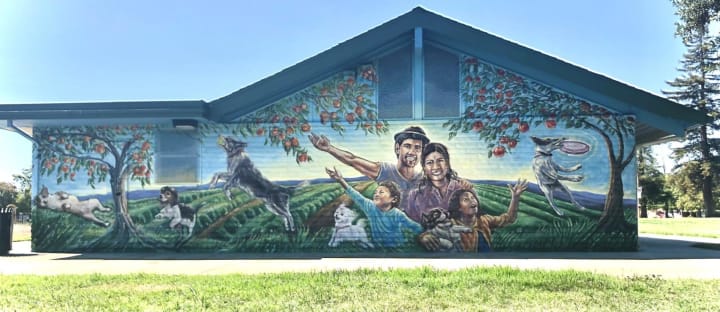
- Mexico: The Las Palmitas Macro-Mural - The artists’ group, known as the GermanCrew, assisted residents in converting Las Palmitas into a huge and colorful mural, hoping to unify the neighborhood and change its rough image. The neighborhood had an image as a sketchy place where people did not like going out after dark. Over time, the project brought people together, and residents learned to spend time with one another.
- Senegal: Art for Social Change - Some of Dakar's most famous graffiti artists have used their talent to promote important social issues. In doing so, the artists have succeeded in transforming the community's understanding of things like good health and gender equality.
- Harlem: Restoring Humanity Through Hip-Hop Culture - Most social movements rely on art as a powerful way of voicing dissent or resistance, as well as crafting new visions of how society ought to be. Murals and well-designed graffiti found on the walls of the hip-hop school, as well as its neighborhoods, are a clear indication of the power of graffiti in crafting visions of a better society. In a neighborhood that once found itself torn apart, graffiti emerged as a powerful instrument in restoring humanity, with the elderly, who once trembled with fear at the vigor of the youth, no longer fearing them today.
- Nicaragua: Murals as Cultural Defense - This is explained by the comment of Nicaraguan poet and art critic Julio Valle: “To erase the murals is to erase the beauty, the flights of fancy, and the magic unleashed by our people’s liberation and utopian dreams.” To the people of Nicaragua, the murals are a symbol of their culture and freedom because they are a physical embodiment of their democracy.
- Israel: Graffiti as Collective Grief Processing - With the assassination of then-Israeli Prime Minister Yitzhak Rabin in 1995, Israel experienced a macro-level trauma. Among its youth, a unique manifestation of this was evidenced by graffiti written on the walls of the city hall in Tel Aviv. The overall content of the graffiti represented genuine and spontaneous feelings of grief and “spontaneous memorization.” Content analysis revealed that many youth in Israel used their messages as a way of engaging with the social, political, and cultural dimensions of the event.
The Vandalism-Art Duality: A Source of Healing Power
Despite its therapeutic potential, graffiti art continues to face strong headwinds and public stigma. It is often confused with vandalism, resulting in arrest, fines, and public ridicule. Such a high degree of public disapproval may further alienate already troubled artists, reducing the therapeutic benefits derived from this art form.
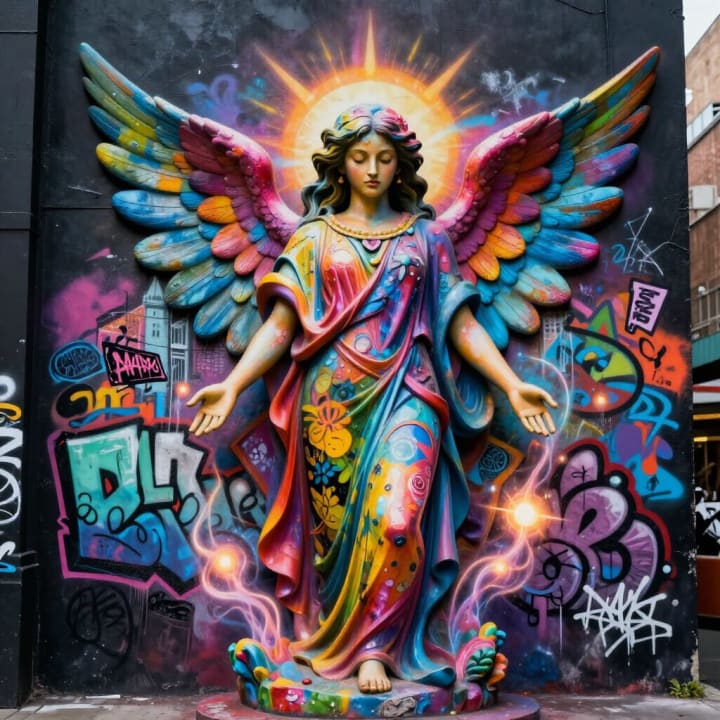
The reality is that the disconnect between the actions and motivations of the graffiti “artist” and the graffiti “vandal” is much less than most people think—except for the disconnect created by the systems in place. The motivation that drives most graffiti artists is the same as that driving most legitimate artists. The distinction is that legitimate artists have somehow managed to make their work economically relevant. This is a fact that most people already recognize: a lack of opportunity is driving not only graffiti, but violence, crime, and economic disparity.
How the Duality Contributes to Healing
“It’s like no one realizes that these are young people with voices, and they are shouting it in our face,” says Linda Sheridan, a former studio artist with thirty years of experience managing art projects.
These examples illustrate how art can provide opportunities even in dismal situations. These examples also demonstrate the rebellious nature of graffiti art. This bold assertion of public space into private expression becomes a rebellious act that upsets those in power.
This very struggle of balancing rebellion with legitimacy, of being seen and unseen, becomes the healing power of graffiti art. It allows artists to take power in a system that so often ignores them.
Embracing Graffiti: Recommendations for Communities
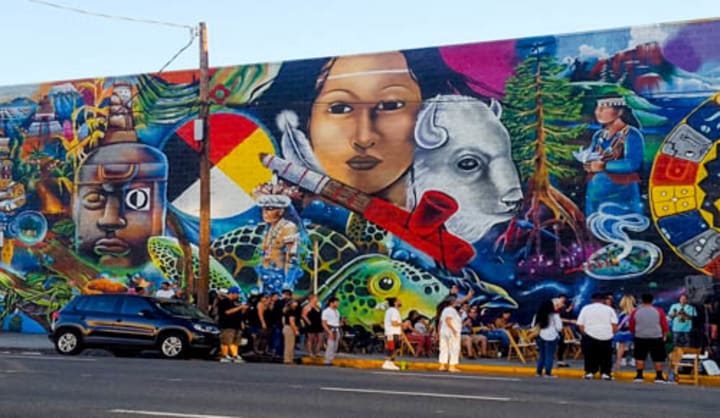
Cities that embrace street art and provide locales that are legal for artistic expression give street artists a more secure and optimistic setting. Therefore, when such a shift is made in urban policy, what may be a dangerous and frustrating activity is made legitimate, and its therapeutic benefits may flourish without fear.
Legal walls are a safe haven for artists to express themselves, share their creations, and receive genuine acclaim without the threat of facing any legal trouble. These are not only places for communal interaction, beautification of neighborhoods, and contributing to the development of neglected blocks, but they are also crucial for artists seeking to perform their work legally and contribute to their neighborhoods as well.
Youth Diversion Programs
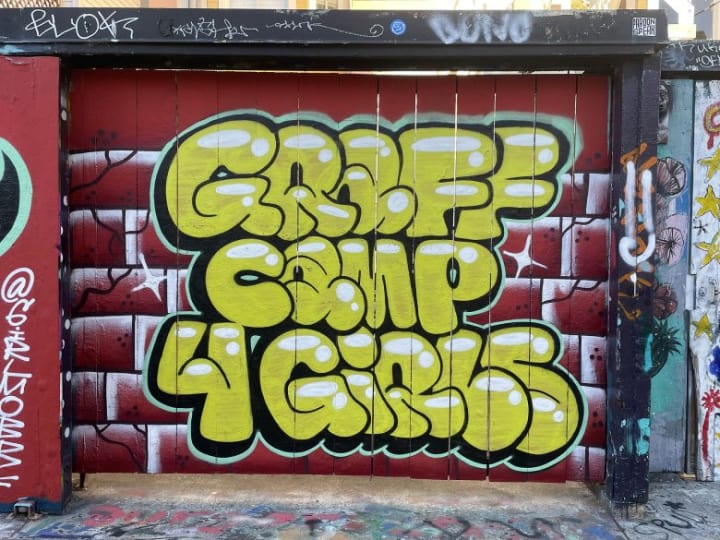
Former taggers turned art teachers now use their experience to connect with kids and move them away from vandalism. "When I was at my prime doing freeway spots and whatnot, I got involved with the graffiti program so that kind of derailed my criminal career."
Programs like Writerz Blok, founded in 1999 in Southeastern San Diego—centered in a lower-income neighborhood infamous for gang activity, drugs, violence, and graffiti—serve youth who come from broken homes or troubled backgrounds. The mentors guide the kids in their community into available artistic career paths.
Campus and Educational Initiatives
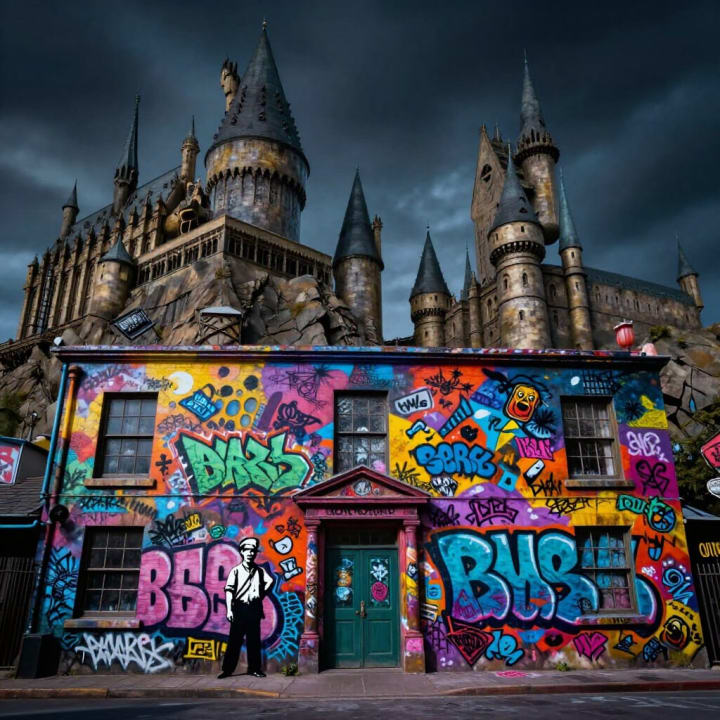
Art therapy or graffiti is taking center stage as a powerful intervention to counter issues like student stress, anxiety, or sadness. These artful interventions are not just about color splashes in the lives of college students, as these are the be-all and end-all of maintaining a balanced mental state. Graf art, with its unfiltered vibrancy, presents a powerful platform to channelize emotions, giving voice to the silent struggles that students contend with due to academic pressures. This art form turns ordinary walls into a living canvas of struggles, triumphs, and rebirth.
Art in public spaces not only adds beauty to a venue, but it also works in its own way by breaking down the shame that can accompany mental health issues, encouraging open discussion, and creating a more inviting and welcoming environment on campus.
Community Collaboration
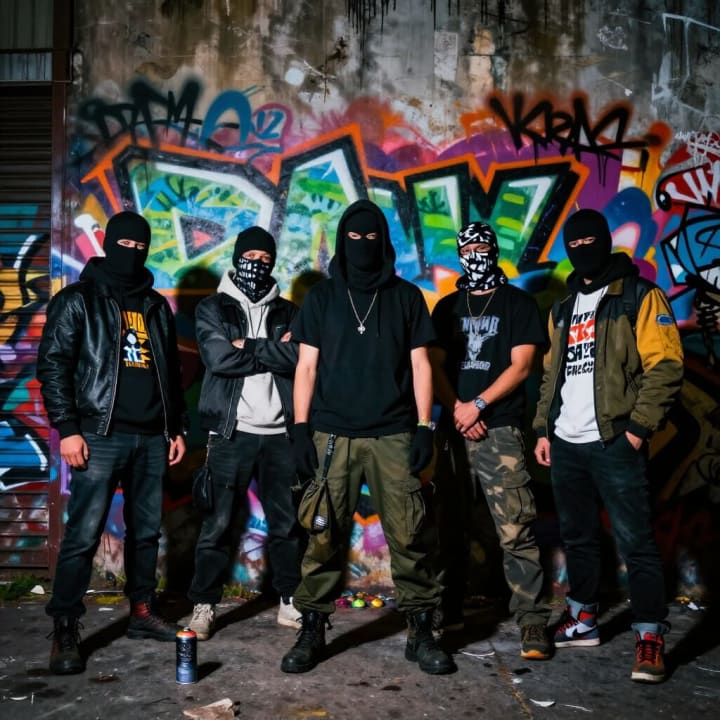
Graffiti, when performed with permission or within a context of organized art forms, connects with what a community is feeling and needs. Neighbors collaborate with artists to exchange stories, themes, and remembrances of their respective places of origin. Ultimately, all of it contributes to a feeling of belonging within that particular block.
Some districts are instead opting to lift up and celebrate the local artists and not try to bring in famous names from across the country. The local artists, those who understand the streets and have the culture, history, voice, and style of the community, are what can bring something uniquely rooted. They are putting the voice, statement, and issues of the people at the center by focusing on the local artists.
The Future of Graffiti as a Healing Medium
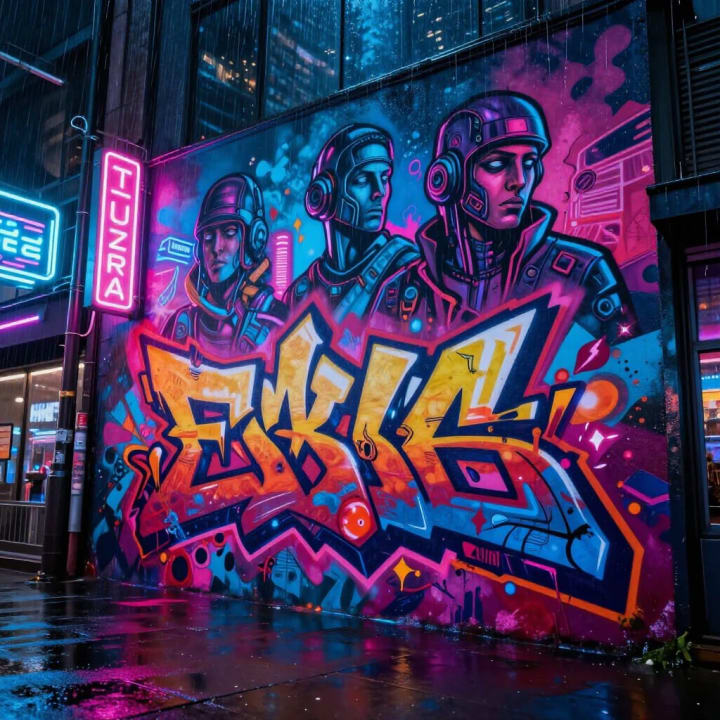
Graffiti and street art are not simply defiant acts; they are ways of achieving emotional catharsis and self-discovery, too. They are therapeutic escapes that give a person a chance to express themselves creatively, find their real self, and forge a community.
As cities continue to grow and flourish and turn into outdoor museums of the human condition, mental health graffiti serves as a reminder that our struggles are a part of our shared humanity. But it becomes more than that; it becomes a movement in itself, a therapy, a revolution, a transformation, giving evidence of the potency of art as a tool that can heal, challenge, and transform.
Take, for instance, the Black Lives Matter movement and the Housing Justice movement; they are all examples of this, depicting the dual functionality of graffiti as a call to action and a reflection of what is lacking in our society. Social workers can keep the momentum going by supporting initiatives by artists, fighting for the protection of public art, and even fighting for its utilization as a means to deliver education, healing, and unification, as a declaration that, indeed, “art is not decoration, it is dialogue, resistance, and it is a crucial part of our struggle towards a fair and equitable world.”
The philosophy of Graffiti: Healing happens in unexpected places, such as on empty walls, under bridges, and in back alleyways. As people across the world wrestle with the profound therapeutic value of graffiti, we learn toward a world where our self-expression is celebrated instead of suppressed, where walls emerge as canvases for collective healing, and where every painted mark we create propels us further toward wholeness.
The bottom line is that cities simply need more opportunities for young people to use their creative hands and minds for the benefit of their communities. When we accept graffiti as a healing art form, we are opening doors to not only personal transformation but also community transformation.
About the Creator
xJRLNx
Im a dude letting out his madness with the help of Ai.
When Images Refuse Ownership
The history of modern art repeatedly demonstrates a stubborn truth: no image can ever be owned absolutely. Forms circulate, poses migrate, gestures recur, and meanings survive only insofar as they continue to work on people. Copyright, originality, and authorship may function as legal or institutional devices, but aesthetically they are always provisional. What ultimately matters is not where an image comes from, but whether it generates a lived response — a mood, a tension, a sense of story. Few contemporary paintings illustrate this more clearly than The Singing Butler (1992) by Jack Vettriano, a work that has become both one of the most reproduced images in Britain and one of the most contested.
By Peter Ayolov3 days ago in Art
Savannah Guthrie’s Mom: The Quiet Force Behind a Powerful Voice
Savannah Guthrie is widely recognized as one of the most respected faces in American broadcast journalism. As a co-anchor of Today, she is known for her clarity, composure, and ability to balance tough questioning with genuine empathy. While her professional achievements are well documented, far less is known about the family influences that helped shape her character—particularly the role of her mother, Nancy Guthrie. Though she lives largely outside the public eye, Nancy Guthrie’s influence has been central to Savannah’s personal values and professional identity.
By ORM_Specialist4 days ago in Art
The Devil's Triangle
The sails ruffled in the breeze as we cruised along. The Sea Breeze was a mid-size catamaran that sailed out of Royal Naval Dockyard in Bermuda. We had booked this trip weeks in advance and were now looking at our Captain, Spike and two boat hands. Paddy and Wilson seemed like nice guys, joking around with the passengers and telling us some stories about Bermuda that only locals would know. Their island accents sounded almost British but they were pleasant to listen to.
By Barbara Gode Wiles4 days ago in Fiction


Comments
There are no comments for this story
Be the first to respond and start the conversation.