
The Mystery and Mastery of The Girl with a Pearl Earring
Art History

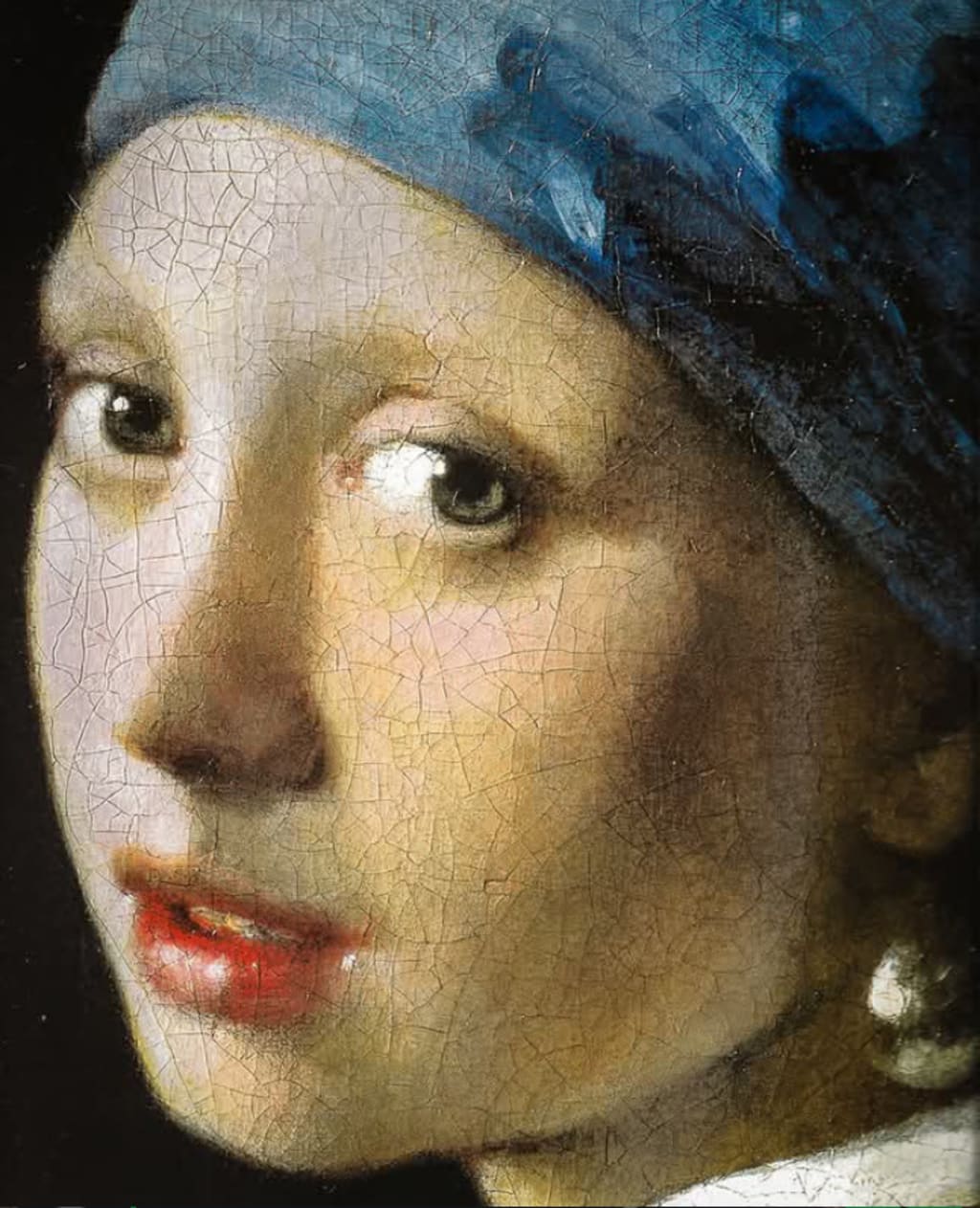
When you think of iconic art pieces, The Girl with a Pearl Earring by Johannes Vermeer inevitably comes to mind. Dubbed the “Mona Lisa of the North,” this masterpiece encapsulates mystery, beauty, and technical brilliance in a way that has captivated audiences for centuries. Housed in the Royal Picture Gallery Mauritshuis in The Hague, Netherlands, the painting is a testament to Vermeer’s genius during the Dutch Golden Age.
The Artist: Johannes Vermeer
Johannes Vermeer (1632–1675) is celebrated as one of the greatest painters of the Dutch Golden Age. Known for his mastery of light, delicate compositions, and meticulous attention to detail, Vermeer created only about 34 surviving works during his lifetime. Though his art was largely overlooked in his day, his reputation soared centuries later, with The Girl with a Pearl Earring emerging as his most beloved piece.
Vermeer often focused on intimate domestic scenes, capturing the quiet beauty of everyday life. However, The Girl with a Pearl Earring stands apart because it’s not a typical portrait or genre painting. Instead, it belongs to a category called a “tronie,” a Dutch term for a character study that highlights an exaggerated facial expression or unusual attire rather than a specific individual.
The Painting: An Enigma in Oil
Created around 1665, The Girl with a Pearl Earring is deceptively simple yet profoundly captivating. It depicts a young woman turned slightly toward the viewer, her lips parted as if she is about to speak. She wears an exotic turban in vibrant shades of blue and yellow, and a massive, tear-shaped pearl earring that catches the light.
The girl’s identity remains unknown, sparking endless speculation. Was she Vermeer’s daughter, a neighbor, or simply a model? Some art historians suggest she might be an imaginary figure, crafted to evoke curiosity and wonder.
The painting’s allure lies in its ambiguity. The girl’s direct gaze draws you in, creating an intimate connection between the viewer and the subject. Her serene expression, combined with the soft glow of light on her face, adds an ethereal quality to the work.
The Significance of the Pearl
The titular pearl earring is as enigmatic as the girl herself. It symbolizes wealth and status, as pearls were rare and valuable during the 17th century. Yet, some experts argue that the earring might not even be a real pearl but rather a masterful depiction of light and reflection, showcasing Vermeer’s technical prowess.
The pearl also serves as a focal point, drawing attention to the girl’s enigmatic beauty. Its placement emphasizes the painting’s simplicity, allowing viewers to appreciate Vermeer’s ability to make a single accessory speak volumes.
Vermeer’s Mastery of Light and Color
One of the most striking aspects of the painting is Vermeer’s treatment of light. The soft illumination on the girl’s face, contrasted with the dark background, creates a three-dimensional effect that makes her appear almost lifelike.
The use of ultramarine blue in her turban further demonstrates Vermeer’s skill. This pigment, made from lapis lazuli, was incredibly expensive at the time, indicating the artist’s commitment to quality. The vibrant blue contrasts beautifully with the warm golden tones of her clothing and skin, adding to the painting’s visual appeal.
Vermeer’s attention to detail extends to the subtle textures of the fabric and the delicate sheen of the pearl. His ability to capture the play of light on different surfaces is nothing short of extraordinary, solidifying his reputation as a master of chiaroscuro.
A Modern Icon
While The Girl with a Pearl Earring was admired in its time, its modern fame is largely due to the resurgence of interest in Vermeer’s work during the 19th and 20th centuries. In 1999, Tracy Chevalier’s novel Girl with a Pearl Earring reimagined the painting’s origins, spinning a fictional tale about the relationship between Vermeer and a servant girl who became his muse.
The novel’s success led to a 2003 film adaptation starring Scarlett Johansson and Colin Firth, which further cemented the painting’s place in popular culture. Today, The Girl with a Pearl Earring graces everything from coffee mugs to tote bags, becoming a global symbol of timeless beauty and mystery.
The Eternal Mystery
What makes The Girl with a Pearl Earring so compelling is its ability to evoke emotion and intrigue without revealing all its secrets. The painting invites endless interpretation, each viewer bringing their own perspective to the girl’s gaze.
Is she shy or bold? Innocent or seductive? Her identity and emotions remain a mystery, allowing the painting to transcend time and cultural boundaries.
Conclusion
The Girl with a Pearl Earring is more than just a painting; it’s a cultural phenomenon that continues to inspire awe and curiosity. Johannes Vermeer’s masterful use of light, color, and composition creates an intimate yet enigmatic portrait that speaks to the soul.
Whether you view it as a study in artistic technique or a window into the past, this masterpiece offers something for everyone. Its enduring appeal lies in its simplicity and mystery, reminding us that some of the greatest works of art are those that leave us asking questions rather than providing answers.
Visit the Royal Picture Gallery Mauritshuis to experience the magic of this iconic painting firsthand—and let yourself be captivated by the gaze of the girl who has enchanted the world for centuries.
About the Creator
Keep reading
More stories from Deji Akomolafe and writers in Art and other communities.
A Norman Rockwell Christmas: The Saturday Evening Post, December 25, 1948
Few artists have captured the spirit of American life quite like Norman Rockwell. His illustrations for The Saturday Evening Post remain iconic, offering heartwarming glimpses into mid-20th century America. One of his most beloved works graced the cover of the December 25, 1948 issue of the Post, a festive scene that tells a story of family, joy, and the warmth of Christmas without the need for obvious holiday symbols.
By Deji Akomolafeabout a year ago in Art
The Best AI Music Generator for Commercial Creators in 2026
By January 2026, the conversation around AI in music has shifted from "Will it replace us?" to "How do I use it to finish tracks faster?" As a senior audio editor who has reviewed everything from Suno’s latest updates to complex DAW plugins, I have seen the market flood with tools. However, for creators who need a balance between ease of use and professional control, Create Music AI has established itself as a formidable ecosystem.
By techfusionabout 11 hours ago in Art
The Devil's Cut
“Comrade, finally you’re awake.” The voice was smooth, sensual. A flickering incandescent bar was all that lit the white, sterile room. All Vladimir remembered was everything going black. He tried to move his arms and found them strapped to the gurney.
By Matthew J. Fromm6 days ago in Fiction


Comments
There are no comments for this story
Be the first to respond and start the conversation.