
The Man Who Found a Hidden World — and Lost Everything for It
His story has been buried
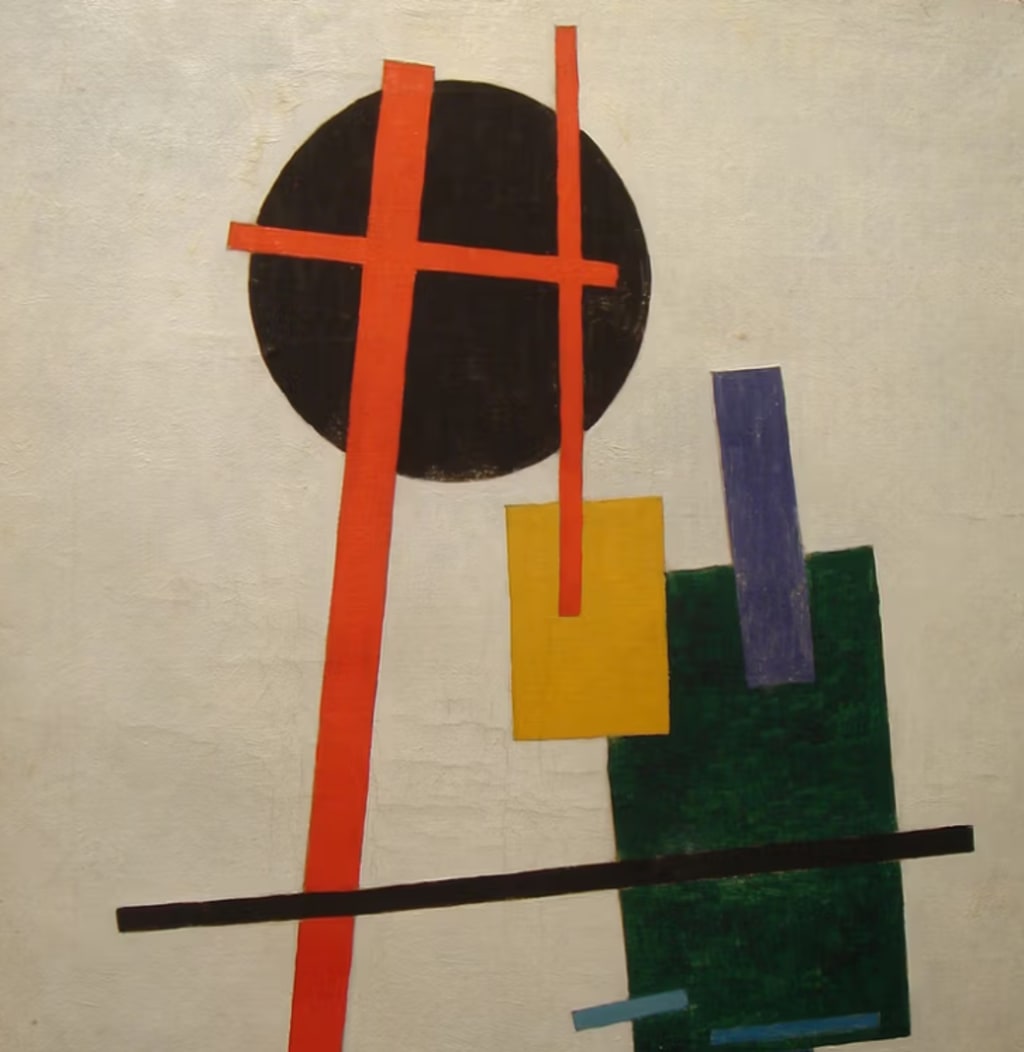
Itzhak Zarug didn’t look like a revolutionary.
He wasn’t rich. He wasn’t polished. He didn’t speak in PR soundbites or sit front row at Basel. He was just a man with a deep love for art — and a belief that the truth, no matter how fragile, deserves to be seen.
In 2013, the French police stormed a warehouse in Geneva and took everything from him.
Inside were over 1,000 paintings. Bold. Haunting. Mysterious. They looked like they’d come straight from the heart of early 20th-century Russia — from a time when artists risked exile, or worse, just to paint freely. Zarug claimed the works had survived Stalin’s brutal suppression — hidden in basements, traded hand to hand in secret — and somehow, by some miracle, they had found their way to him.
He wanted to show the world.
Instead, they called him a liar.
No provenance? Must be fake.
No museum trail? Must be a scam.
Too many great works by unknown hands? Must be too good to be true.
They didn’t ask questions. They didn’t test with open minds. They tore him down because he didn’t belong. Because if he was right, then powerful people — collectors, museums, “experts” — had been wrong for decades.
They humiliated him. Prosecuted him. Stripped him of his name and purpose.
And those paintings — those breathtaking, impossible works — are now locked away, unseen. Like ghosts.
Zarug faded from view. Forgotten by the media. Forgotten by the system.
But somewhere, in a storage unit or a vault, those paintings still exist.
And maybe one day, someone will look at them again and whisper what Zarug tried to scream:
They were real. They were always real.
About the Creator
Keep reading
More stories from writers in Art and other communities.
A Matter of Coincidence
Tuesday, 3 September 2024 Ayesha Fareed Ahmed, Mirpur Khas Sheeda was a simple and innocent man. One day, he was going to his wife’s village to bring her back. On the way, he saw some donkeys grazing on grass at a certain place. Eventually, he reached his in-laws’ house. His wife’s brother asked him to sit in the guest room.
By Sudais Zakwana day ago in Art
The Devil's Cut
“Comrade, finally you’re awake.” The voice was smooth, sensual. A flickering incandescent bar was all that lit the white, sterile room. All Vladimir remembered was everything going black. He tried to move his arms and found them strapped to the gurney.
By Matthew J. Fromm5 days ago in Fiction



Comments