
The Magic of Pencil and Paper: Exploring the World of Drawing
Discovering the Allure of Traditional Drawing Techniques
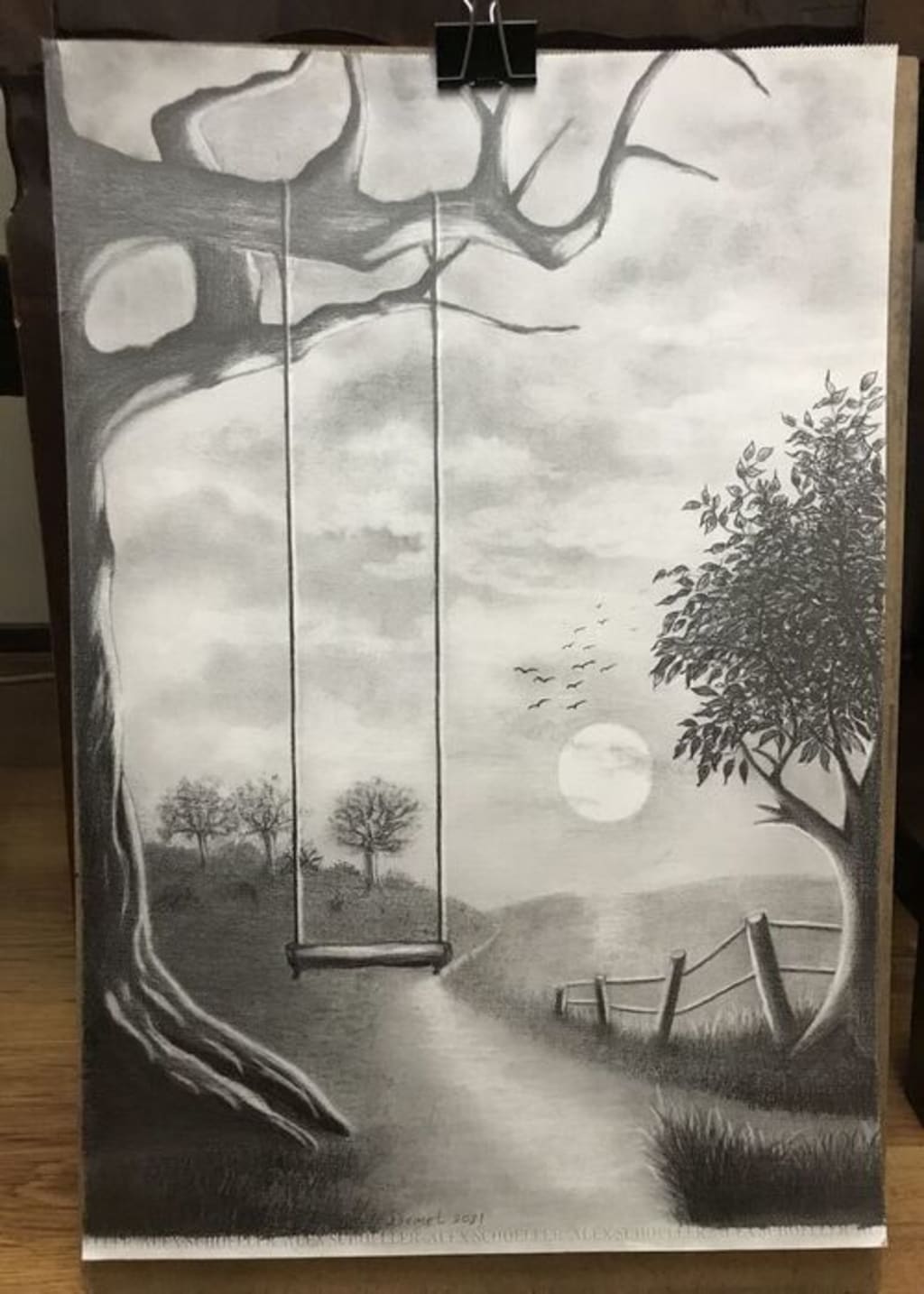
the significance of pencil and paper in the world of drawing
Tradition and History: Pencil and paper have been primary tools in the artistic world for centuries. They have a rich history and are deeply rooted in artistic traditions. From Leonardo da Vinci's sketches to Michelangelo's detailed drawings, pencil and paper have played an important role in capturing ideas, planning compositions, and honing artistic skills.
Accessibility and Simplicity: Pencil and paper offer an easy and accessible way to express artistic ideas. Unlike other art mediums that may require special equipment or materials, pencil drawing can be done with just a pencil and a sheet of paper. This simplicity makes it a great starting point for beginners and a versatile medium for artists of all skill levels.
Skill Development: Working with pencil and paper helps artists develop essential drawing skills. It develops hand-eye coordination, observation skills, and the ability to accurately describe shape and perspective. The experience of using pencil and paper creates an intimate connection between the artist and their artwork, allowing for an intimate and personal creative process.
Versatility and Control: Pencil drawing allows artists to achieve a wide range of effects and styles. Different grades of pencil offer different levels of hardness and darkness, giving artists control over line thickness, shading and texture. Pencil strokes can be easily adjusted, erased or removed, allowing for experimentation and refinement.
Expressive Value: Pencil drawings have a unique aesthetic appeal and a sense of authenticity. The monochromatic nature of pencil work can evoke mood, emotion and atmosphere. From soft and subtle renderings to bold and dynamic lines, pencil drawings have the power to convey depth, form and intricate detail, capturing the essence of a subject.
the traditional drawing techniques
Traditional drawing techniques have a unique magic that fascinates artists and art lovers alike. The act of running the pencil over the paper, feeling the subtle resistance and witness lines, creates a connection between the artist's hand and the artwork. This tactile experience brings a sense of intimacy and authenticity that digital art often struggles to replicate. The texture of the paper, the variation in pencil strokes, and the ability to fade or erase all contribute to the appeal of traditional drawing. It is a dance between the artist's imagination and the physical medium, resulting in a tangible and expressive piece of art.
Traditional drawing techniques have a certain nostalgic charm that resonates with both creators and viewers. The act of sitting down with a pencil and paper, away from screens and distractions, brings a sense of calm and focus. It allows for a deeper connection with the artistic process, fostering a meditative state that can be both therapeutic and fulfilling. Traditional drawing techniques touch the essence of artistic expression, reminding us of the timeless beauty of art created by hand. Appreciating the skill and dedication required to create intricate pencil drawings is an experience that transcends time and technology, drawing us into a world where imagination and skill meet.
basic sketching techniques
Contour Drawing: Contour drawing involves carefully observing the subject and drawing its outline, capturing the edges and shapes of the objects or subjects you are drawing. Emphasis is placed on creating a detailed outline that fits the theme. Contour drawing helps you understand the proportions and relationships between different elements in your artwork, making it a great technique for achieving precision and the overall composition of your subject.
Gesture Drawing: Gesture drawing is all about capturing the movement, energy and essence of your subject in sharp, loose and expressive lines. It is a dynamic technique that focuses on overall gestures or poses rather than intricate details. Gesture drawing is often used for figure drawing, where you aim to capture the flow and rhythm of the human body. It helps you bring a sense of life and vitality to your drawings. By practicing gesture drawing, you can improve your ability to capture the essence of different subjects and develop your observation skills.
Both contour drawing and gesture drawing are valuable techniques that serve different purposes. Contour drawing helps to understand precision and form, while gesture drawing emphasizes capturing overall energy and movement. By combining these techniques, you can bring life, precision and expressive qualities to your pencil drawings. Practice them regularly to improve your drawing skills and develop your unique artistic style.
About the Creator
A Matter of Coincidence
Tuesday, 3 September 2024 Ayesha Fareed Ahmed, Mirpur Khas Sheeda was a simple and innocent man. One day, he was going to his wife’s village to bring her back. On the way, he saw some donkeys grazing on grass at a certain place. Eventually, he reached his in-laws’ house. His wife’s brother asked him to sit in the guest room.
By Sudais Zakwanabout 21 hours ago in Art
What Fine Line Tattoo Excellence Looks Like in Professional Practice
When you sit in the chair of one of the best fine line tattoo artists, you feel it straight away. The calm, the care, the way they handle your skin and your nerves at the same time. Fine line work looks light and effortless from the outside, but real excellence is anything but casual.
By Tools of Trade Studios6 days ago in Art
How to Succeed at the Benson Directory®
Congratulations and welcome to the Benson Directory® employee #22391! As our newest call handler, you will have the privilege of speaking with dozens of unique and interesting people on a daily basis as well as the opportunity to earn bonuses for high performance. Contained within this handbook you will find a set of ease to follow instructions designed to help you settle in to your new role and begin paving the way to success.
By S. A. Crawforda day ago in Fiction




Comments
There are no comments for this story
Be the first to respond and start the conversation.