
The Light in the Attic
Some doors stay closed until the right heart opens them
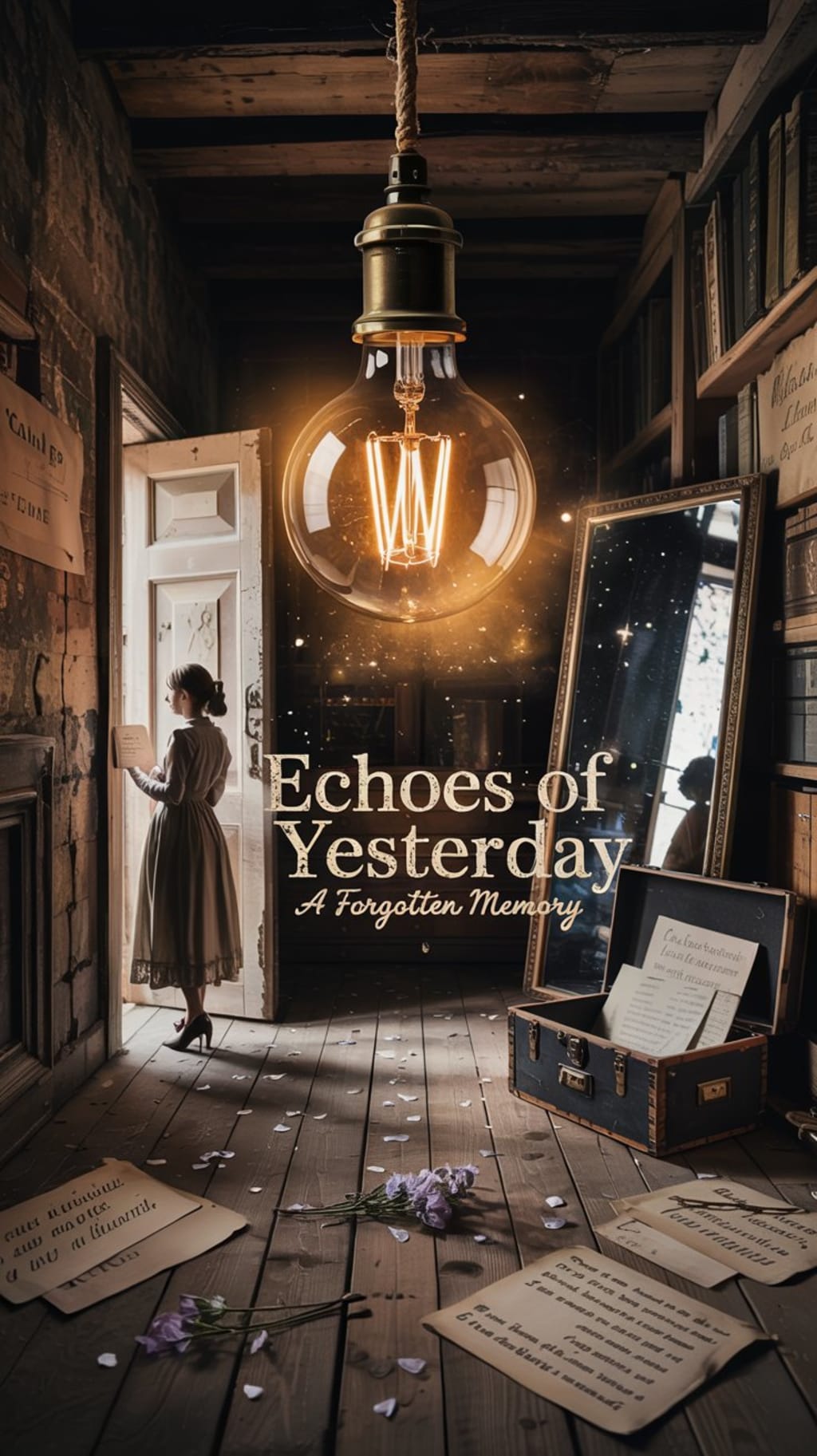
It started with a light—one that should never have been on.
Callie Blake had inherited the old farmhouse from her grandmother, a woman she barely remembered, save for the scent of lavender and the creak of floorboards. The house sat on the edge of a forgotten road, wrapped in ivy and silence. After losing her job in the city, Callie moved in out of desperation, thinking she’d stay a few weeks, maybe a month, until she figured things out.
The first night was quiet, save for the hum of wind through the trees. But as she lay in bed, under layers of musty blankets, a faint glow flickered from above. She sat up. The attic light was on.
She hadn’t been up there. In fact, the door was locked. She’d checked earlier that day.
Callie padded barefoot through the house, the wooden floors cold against her feet. The attic door was still shut tight, the old brass key hanging on a hook nearby. Her hand hesitated for a moment before she took it, then twisted the key in the lock.
The door groaned open, and dust spilled down like ash. The bulb above cast a pale yellow light, swaying slightly as if stirred by someone’s recent presence. The room smelled of cedar and something else—old paper, maybe.
She stepped inside.
Boxes were stacked high against the walls. An ancient trunk sat in the corner, its leather straps brittle with age. There were picture frames covered in cloth and a full-length mirror facing the window, reflecting the dark stretch of field beyond.
But no one was there.
The next morning, she blamed it on faulty wiring, maybe a motion sensor, though she knew better. The house was older than any motion sensor. Still, she flipped the switch off and shut the attic door tight.
But the light returned the next night. And the one after that.
Callie started dreaming of the attic—vague figures in the corners, whispers she couldn’t understand. She’d wake with a start, heart pounding, and every time, the light would be on.
On the fourth night, she went up again—but this time, something had changed.
The trunk was open.
Inside, she found letters bundled in ribbon, their pages yellowed and soft. They were addressed to her grandmother—Agnes—from someone named Thomas.
“My dearest Aggie,” one began, “You are the only light in this house, the only reason I smile when the world forgets me…”
They were love letters. Dozens of them, filled with longing and loneliness. And then, abruptly, they stopped. No final letter, no goodbye.
Callie searched the attic for hours, drawn deeper into a past she’d never known. She found photographs—her grandmother young, always with a man beside her, never quite facing the camera. There was no mention of him in any family stories.
The next day, Callie took the letters into town, asking around. An old librarian named Mrs. Rook remembered Agnes well.
“Quiet woman,” she said, adjusting her glasses. “After Thomas disappeared, she never spoke of him again. Folks said he ran off, but… well, Agnes never seemed the type to be left.”
“Disappeared?” Callie asked.
Mrs. Rook nodded. “Right after the war. Came back home, then vanished. No body, no note. Just gone.”
That night, Callie sat in the attic, the light on, the letters spread around her. She spoke aloud, though she wasn’t sure why.
“Thomas… if you’re still here… I found your letters. She kept them all.”
The bulb above her flickered.
For the first time, she felt it—something warm. Not threatening. Not fearful. Just… present.
The next morning, the attic light was off.
In the days that followed, strange things happened. The radio in the kitchen would play songs from the 1940s without being tuned. A book she’d never seen before appeared on her nightstand: The Great Gatsby, with a pressed lavender flower tucked into the pages.
Callie found comfort in the mystery. In a strange way, she felt less alone.
Then one night, she found a new letter.
It was sitting on the attic floor, fresh ink, sealed in an envelope with no dust.
“My dearest Aggie,” it read. “I waited. I never left. I just needed someone to open the door.”
Tears welled in Callie’s eyes.
The next day, she called a carpenter and had the attic restored—polished floors, a reading chair, fresh paint. She moved a small desk by the window and placed the letters in a glass box on the shelf.
The light never turned on by itself again.
But sometimes, when the wind was still, and the night was soft, Callie would sit in that attic and feel the faintest touch on her shoulder. Not cold. Not frightening.
Just… home.
About the Creator
Keep reading
More stories from Ishaq Ahmadzai and writers in Art and other communities.
Damiana Leaf Extract: A Natural Way to Enhance Libido
Damiana is commonly used by people seeking support for sexual wellness. For both men and women, it is often used as a natural aphrodisiac. Let’s learn more about Damiana leaf extract and its benefits in detail.
By Shea's Apothecary4 days ago in Art
Day 4 of Quitting
If this is how sobriety feels, maybe it’s better to go through life a little buzzed… this, along with other hits like, I want to kill myself, I wish I was dead, and I’m going to throw myself off a bridge have been the only thoughts on rotation these past few days. I promise myself that if, in a month, I still feel like this (‘this’ meaning despondent, full of rage, and simultaneously numb) I can go back to smoking. Until mid-February though? Nicotine is off the table.
By sleepy drafts6 days ago in Longevity


Comments
There are no comments for this story
Be the first to respond and start the conversation.