
The Life and Works of Jose Rizal
A Visionary Icon of the Philippine Nation

Introduction:
Jose Rizal, known as the national hero of the Philippines, was a multifaceted genius, a visionary, and an ardent advocate for freedom and social justice. His life and works continue to resonate with Filipinos and people worldwide, inspiring generations to fight for their rights and embrace their national identity. Born on June 19, 1861, in Calamba, Laguna, Rizal's remarkable journey serves as a poignant reminder of the power of education, literature, and patriotism in shaping a nation's destiny. This essay aims to delve into the life and works of Jose Rizal, exploring his significant contributions to Philippine history, literature, and the struggle for independence.
I. Early Life and Education:
Rizal's formative years played a vital role in shaping his worldview and later influencing his works. He came from a well-off family and was exposed to the power of education from an early age. Rizal's mother, Teodora Alonso, was an influential figure in his life, nurturing his intellectual curiosity and instilling a sense of patriotism. At the age of 9, he enrolled in the Ateneo Municipal de Manila, where he excelled in academics and developed his passion for literature, languages, and the sciences.
II. Rizal as a Writer:
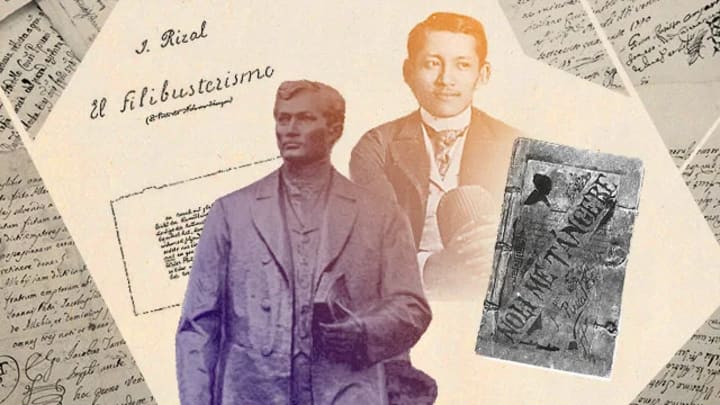
One of Rizal's most significant contributions to Philippine literature was his two novels, "Noli Me Tangere" (Touch Me Not) and "El Filibusterismo" (The Reign of Greed). These novels, written in Spanish, exposed the social injustices and abuses committed by the Spanish colonizers and the friars during the 19th-century colonial period. Through his literary masterpieces, Rizal sought to awaken the Filipino consciousness, urging them to challenge the status quo and envision a future free from oppression and inequality.
III. Nationalism and Social Reforms:
Rizal's nationalism went beyond his literary works; he was a prominent advocate for social reforms and political change in the Philippines. He used his expertise in medicine and knowledge of different languages to engage with various communities across the archipelago. He believed that education was the key to national progress, advocating for reforms in the educational system and the establishment of schools accessible to all Filipinos.
IV. Exile and Martyrdom:
Rizal's fervent desire for social change and independence did not go unnoticed by the Spanish authorities. His writings and activities made him a threat to the colonial regime, leading to his arrest, trial, and subsequent exile to Dapitan in Mindanao. Despite being isolated from the epicenter of the revolutionary movements, Rizal continued to work for the betterment of his countrymen, undertaking various scientific, agricultural, and educational projects. On December 30, 1896, he faced his tragic end and was executed by firing squad in Luneta, Manila, transforming him into a martyr and further fueling the Filipino people's determination for freedom.
V. Rizal's Legacy and Impact:
The life and works of Jose Rizal left an indelible mark on Philippine history and identity. His sacrifice and vision inspired a nation to unite and rise against the shackles of oppression. Rizal's teachings of love of country, education, and peaceful resistance continue to be revered by Filipinos as they face contemporary challenges. His heroism serves as a reminder that every individual can make a difference and that the fight for justice and freedom is worth pursuing.
Conclusion:
Jose Rizal's life and works epitomize the unwavering spirit of a nation yearning for independence and self-determination. His literary brilliance, passion for education, and dedication to social reforms continue to resonate with Filipinos, shaping their values and aspirations. As we remember Rizal, let us be reminded of the power of ideas, the potency of literature, and the enduring legacy of a man who devoted his life to the service of his people and the pursuit of liberty. In the face of adversity, Rizal remains an eternal beacon of hope, inspiring generations to take action and contribute to the betterment of society, just as he did during his extraordinary life.
About the Creator
Keep reading
More stories from KEN RIVERA and writers in Art and other communities.
An Enchanting Tale of Immortality, Identity, and the Search for a Lasting Legacy
V.E. Schwab's "The Invisible Life of Addie LaRue" is a mesmerizing and beautifully crafted story that spans centuries, exploring themes of immortality, identity, and the enduring pursuit of leaving a mark on the world. This novel is an enchanting journey that unfolds against the backdrop of historical eras and contemporary times, blending the magical with the profoundly human.
By KEN RIVERA2 years ago in Humans
'Till Death We Do Art
There would be nothing divine in this world without art. Nature may surpass the divine to all intents and purposes, but like everything it absorbs and is absorbed by, it remains here, stuck on the surface of this world, ever-present, physically bound to the universe.
By Avocado Nunzella BSc (Psych) -- M.A.P 27 days ago in Art




Comments