
The Kennedy Center: A Beacon of Art, Culture, and History
The Kennedy Center: Where Art, History, and Culture Converge

Introduction
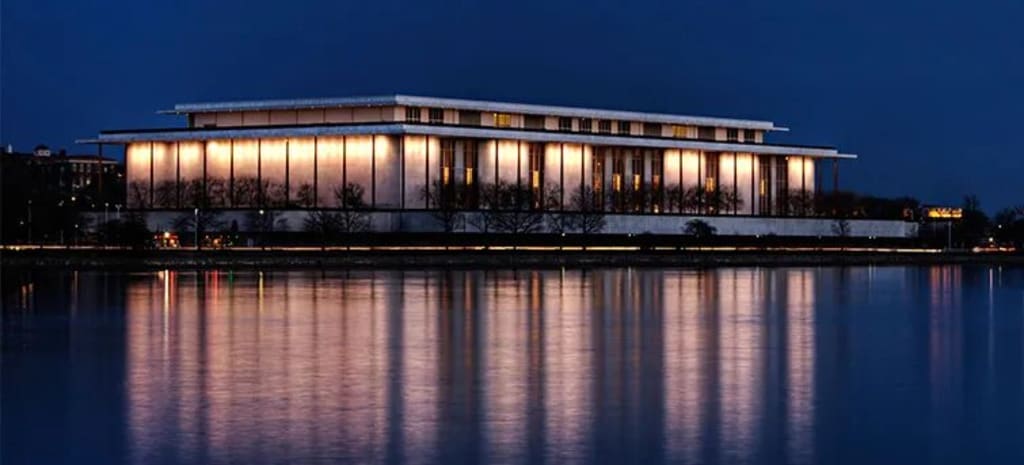
The John F. Kennedy Center for the Performing Arts, commonly known as the Kennedy Center, stands as one of the most iconic cultural institutions in the United States. Located in Washington, D.C., along the banks of the Potomac River, the Kennedy Center is not just a venue for the performing arts but a symbol of the nation's commitment to fostering creativity, diversity, and excellence in the arts. Named in honor of the 35th President of the United States, John F. Kennedy, the center has become a hub for world-class performances, educational programs, and community engagement. This article delves into the history, architecture, significance, and impact of the Kennedy Center, offering a comprehensive look at why it remains a cornerstone of American culture.
A Brief History of the Kennedy Center
The idea for a national cultural center was first proposed in the 1950s, but it wasn’t until President John F. Kennedy took office that the project gained significant momentum. Kennedy was a passionate advocate for the arts, believing that a thriving cultural scene was essential to the nation’s identity and global standing. Tragically, Kennedy was assassinated in 1963, before the center could be completed. In 1964, Congress designated the National Cultural Center as a living memorial to President Kennedy, and construction began shortly thereafter.
The Kennedy Center officially opened its doors on September 8, 1971, with a grand opening ceremony attended by dignitaries, artists, and members of the Kennedy family. Since then, it has hosted countless performances, ranging from classical music and opera to theater, dance, and contemporary works. Over the decades, the Kennedy Center has expanded its mission to include educational initiatives and outreach programs, ensuring that the arts remain accessible to all.
Architectural Marvel: Design and Features
The Kennedy Center’s architecture is as impressive as its programming. Designed by architect Edward Durell Stone, the building is a striking example of modernist design. Its grand, white marble exterior and sweeping columns evoke a sense of timeless elegance, while its interior spaces are designed to inspire awe and creativity.
The center boasts several performance spaces, each tailored to different types of artistic expression:
The Concert Hall: Home to the National Symphony Orchestra, this hall is renowned for its exceptional acoustics and majestic pipe organ.
- The Opera House: A venue for opera, ballet, and large-scale theatrical productions, the Opera House is adorned with a stunning red-and-gold decor.
- The Eisenhower Theater: A more intimate space for plays and smaller performances, named after President Dwight D. Eisenhower.
- The Terrace Theater: A flexible space for experimental and contemporary works.
- The Millennium Stage: A unique feature of the Kennedy Center, offering free daily performances to the public, ensuring that the arts are accessible to everyone.
The center’s Hall of States and Hall of Nations are adorned with flags from all 50 states and countries around the world, symbolizing its role as a global cultural hub.
The Kennedy Center’s Cultural Significance
The Kennedy Center is more than just a venue; it is a cultural institution that reflects the values and aspirations of the nation. It serves as a platform for artists from diverse backgrounds, showcasing the richness of American and global cultures. The center’s programming is intentionally inclusive, featuring works by underrepresented communities and emerging artists.
One of the center’s most notable initiatives is the Kennedy Center Honors, an annual awards ceremony that celebrates individuals who have made significant contributions to the arts. Past honorees include legends like Aretha Franklin, Leonard Bernstein, and Meryl Streep. The Honors have become a prestigious event, attended by celebrities, politicians, and cultural leaders.
Additionally, the Kennedy Center has played a pivotal role in promoting arts education. Through programs like Arts Across America and Changing Education Through the Arts (CETA), the center works to integrate the arts into schools and communities, fostering creativity and critical thinking among young people.
Impact on the Community and Beyond
The Kennedy Center’s influence extends far beyond its walls. By offering free performances on the Millennium Stage and hosting community events, the center ensures that the arts are accessible to people of all ages and backgrounds. Its commitment to diversity and inclusion has made it a model for cultural institutions worldwide.
During the COVID-19 pandemic, the Kennedy Center adapted to the challenges by offering virtual performances and educational resources, demonstrating its resilience and dedication to its mission. This adaptability has allowed the center to continue inspiring and engaging audiences, even in difficult times.
Why the Kennedy Center Matters Today
In an era where the arts are often undervalued, the Kennedy Center serves as a reminder of their importance. It is a place where people can come together to experience the transformative power of music, theater, and dance. It is a space where creativity is celebrated, and where the legacy of President Kennedy’s vision lives on.
The Kennedy Center also plays a crucial role in shaping the cultural landscape of the United States. By supporting emerging artists and innovative works, it ensures that the arts remain vibrant and relevant. Its educational programs inspire the next generation of artists and arts enthusiasts, ensuring that the legacy of creativity continues.
Conclusion
The John F. Kennedy Center for the Performing Arts is more than just a building; it is a testament to the enduring power of the arts to unite, inspire, and transform. From its grand architecture to its world-class performances, the Kennedy Center embodies the best of American culture. As it continues to evolve and adapt to the changing times, the center remains a beacon of hope and creativity, honoring the legacy of President Kennedy and enriching the lives of all who visit.
About the Creator
Nisa Shamshair
I am a content writer and gives you information which is tranding in the world.
Keep reading
More stories from Nisa Shamshair and writers in Art and other communities.
Valentine’s Day Gifts: Thoughtful Ideas for Every Relationship
Valentine’s Day is a special occasion celebrated worldwide as a day of love and affection. Whether you’re celebrating with your significant other, a close friend, or even treating yourself, finding the perfect gift can make the day extra special. While traditional gifts like chocolates and flowers are always a safe choice, adding a personal touch to your present can make all the difference.
By Nisa Shamshair12 months ago in Marriage
Wild Card Weekend Recap: What Happens Now?
I think I figured out why I love Wild Card Weekend so much. It's because it's the first playoff anything of the calendar year. The NFL season starts in the fall, and once upon a time, the champion was crowned either on or slightly before New Year's. The evolution of the NFL schedule has resulted in the playoffs starting just into the New Year, and currently, the final week of the season falls on the first weekend of the New Year, with Wild Card Weekend coming a week after that. So yes, chronologically, the NFL's Wild Card Weekend serves as the first playoff anything of the calendar year.
By Clyde E. Dawkins7 days ago in Unbalanced




Comments
There are no comments for this story
Be the first to respond and start the conversation.