
The Joy of Painting: A Beginner’s Guide
It is very possible to find painting as an enjoyable and very rewarding pastime as we get to not only be creative, but we can also get aesthetic satisfaction from the result.

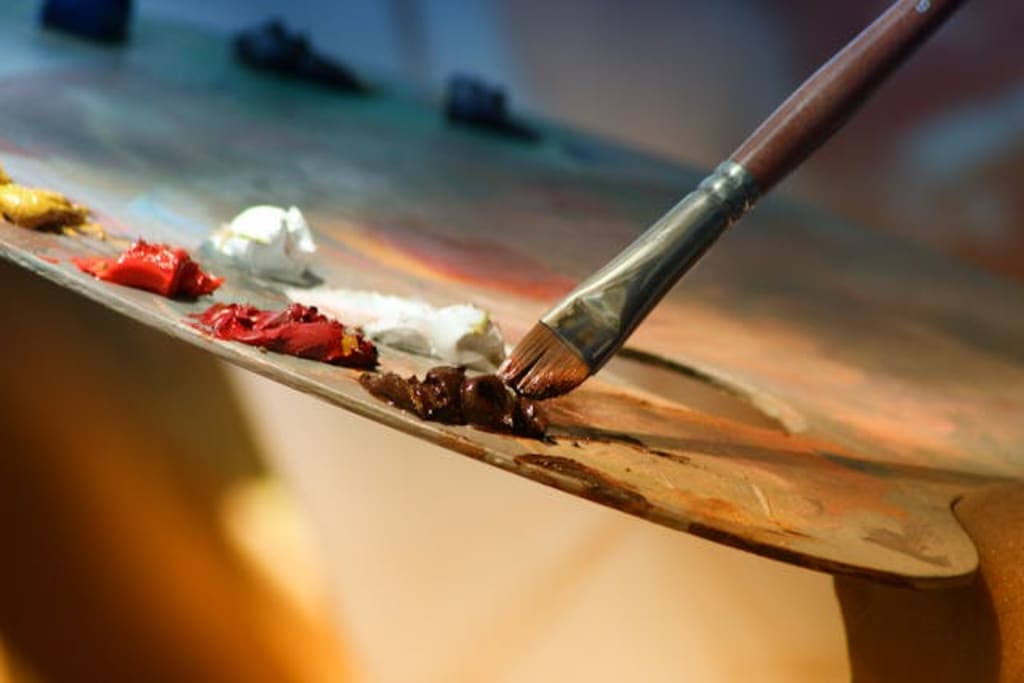
It is very possible to find painting as an enjoyable and very rewarding pastime as we get to not only be creative, but we can also get aesthetic satisfaction from the result. If a person is just new in this arena, individuals may find it quite daunting, especially when they start. Below, find fundamental tips that you will want to know to get the most out of painting.
Choose the Right Materials
Choosing the correct material is the first step to becoming a painter because one has the basic material needed. This should include a set of good quality brushes and the thickness of proper paints as well as proper surfaces such as canvas or paper. All novice artists prefer acrylic paints because of their ability to dry fast and are quite easy to work with. There are other techniques, which include watercolor and oil paints, but some projects may require more elaborate work with these materials. For extra flair, one can try out metallic paint, which will give that extra and unique appeal to the eyes.
Learn Basic Techniques
After that is done, it is advisable to get some basic knowledge on how to paint so that the work produced is of high quality. Brush control, layering and layer blending can be considered as the know-how that may bring noticeable changes in your work. Draw with basic brush tips and try the various sizes and shapes of brush options available. It is also important to know or learn how to blend colors so that you come up with the right tones in your painting endeavors. Those exercises are not only enjoyable to paint but will also increase your level of confidence while painting as you master these fundamental skills. One doesn’t need to learn it all at once, but regular practice will yield results.
Start with Simple Projects
This is especially true for a beginner as they may get overstimulated with the tasks they are undertaking, and hence simple projects will boost the confidence they need. One should start with painting objects that are not very complex, for instance, landscapes, flowers, or other still-life compositions. These projects enable you to exercise aspects of composition, color mixing, and brushes without the possibility of being bogged down. There is also an advantage in drawing your ideas down before painting since it acts as a guide to your work, thus enhancing the flow of the work. By mastering small projects and going ahead to do complicated ones, you will lay a good foundation for your success.
Embrace Mistakes
It is widely said in art, even in painting, that the most valuable lesson to be learned is to recognize errors. If you are a naive painter, you are likely to have trouble with the following: improper laying of the brush, and washing of colors. But all these are errors that are common to any skill learning process. Indeed, they may result in creative approach or one-of-a-kind consequences. And if something goes wrong, note it, do not be stressed, stressed over it, but use it for developing yourself. People do painting not only for the result but for the process of getting the result, so you shouldn’t be afraid to make mistakes.
Practice Regularly
It will be crucial to practice painting routinely to enhance the skills discussed above. Of course, it would be ideal to set aside more hours to paint, but even dedicating one or two hours to painting a week will suffice. This way, you’ll be more familiar with your material and the methods you have learned the more you use it. As weeks and months go by, you will find yourself getting more confident in terms of your ability as an artist. Such kind of discipline will also enable you to develop your style and ascertain what area of interest captivates you most. But again, painting is a process and, the longer you get into it, the more fun the whole thing will be to you.
Conclusion
Painting is one of the ways through which one may make something creative and, at the same time, de-stress. In this respect, it is beneficial to begin with basic materials as well as proper techniques, while learning from one’s errors. Like any other art, practice makes it better; therefore, the more you practice painting, the better you become. In time, you will also find pleasure in painting and the biggest bonus will be the self-fulfillment in expressing oneself through art.
About the Creator
Keep reading
More stories from Miranda Spears and writers in Art and other communities.
The Future of Lawn Care: Innovative Solutions
A homeowner should always be concerned about how to maintain their lawn to be healthy and look good. They also must seize the opportunity to perform lawn care as aggressively as possible and adopt the best innovative practices possible. Now, let us look at the main essentials that indicate prospects of lawn care and maintenance.
By Miranda Spearsabout a year ago in Humans
What Voice Cloning Technology Means for Creators and Digital Identity
The rise of artificial intelligence has reshaped the creative landscape in countless ways, from AI-generated visual art to automated music composition, and one of the most intriguing frontiers today is voice cloning. With tools that let users clone your voice using only a short sample of speech, creators and digital communicators are discovering new ways to produce audio content that feels natural and expressive.
By aliyashahzadi6 days ago in Art
Introduction to Organic Solutions
In the realm of fitness, the role of nutrition cannot be overstated, and organic supplements are increasingly recognised as essential components of a well-rounded training regime. Unlike their synthetic counterparts, organic supplements are derived from natural sources, ensuring that fitness trainers can provide their clients with products that are free from harmful additives and chemicals. This not only promotes better health but also supports the body’s natural processes, thereby enhancing overall performance and recovery.
By Organic Products 4 days ago in Art



Comments (1)
Great piece of instruction. I like to paint, but actually I like crayons and pastels and just pencil sketching. I have posted my coloring pages in CRITIQUE where I also most times critique my work if you want to take a look and maybe leave some comments on them. Warning I have done a lot.