
The Influence of Nature in Art Nouveau Jugendstil Design
Discover how artists of the early 20th century drew inspiration from the natural world in their intricate creations.

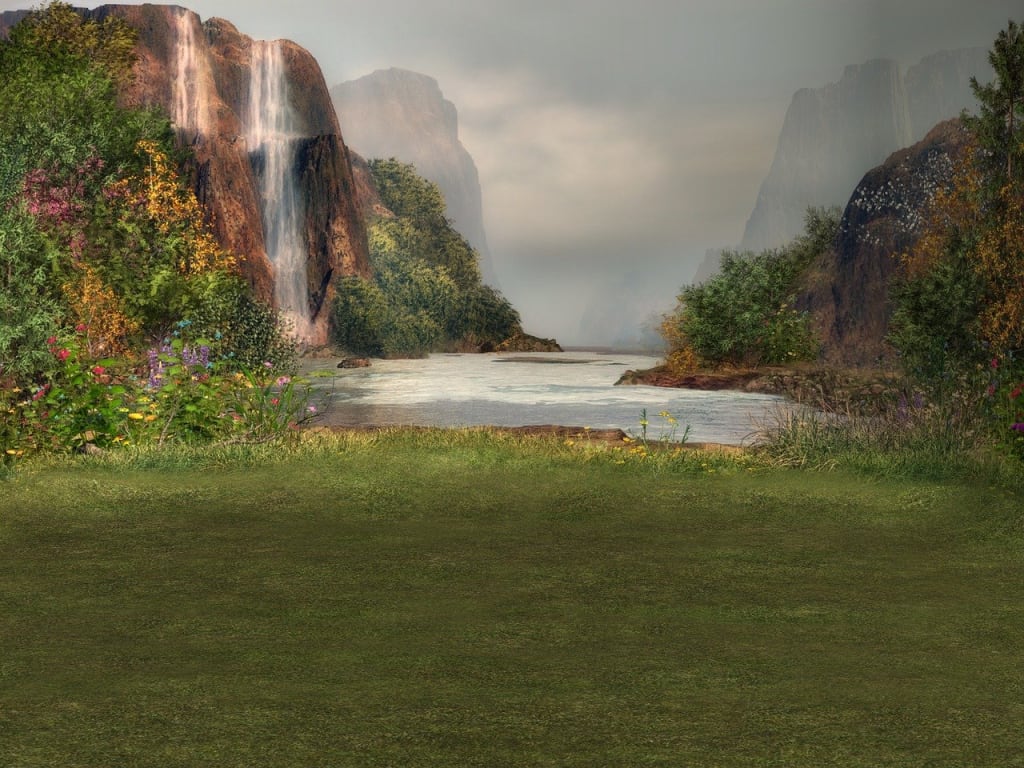
Art Nouveau, known in German-speaking countries as Jugendstil, emerged at the turn of the 20th century as a reaction against the rigid historicism and industrial uniformity of the 19th century. Instead of looking to the past for inspiration, artists and designers turned to the living world around them: the fluid lines of plants, the delicate forms of flowers, and the graceful movements of animals. This organic influence became the defining characteristic of the style and remains one of its most celebrated aspects today.
In this article, we’ll explore how nature shaped Art Nouveau and Jugendstil design across architecture, decorative arts, graphic design, and everyday objects.
Roots of a Movement: A Return to Nature
During the late 19th century, industrialization transformed European cities, filling them with machinery, factories, and mass-produced goods. Many artists felt alienated from this mechanization and sought a return to beauty, craftsmanship, and harmony. Nature provided the perfect model.
Plants, trees, and flowers represented both simplicity and sophistication. They embodied a sense of timeless elegance that contrasted with the harshness of industrial life. Designers studied botanical forms, often borrowing directly from the Art and Crafts Movement in Britain, where figures like William Morris had already emphasized natural motifs in wallpaper, textiles, and furniture.
The Organic Line: Curves Inspired by Plants
One of the most recognizable features of Art Nouveau/Jugendstil is the whiplash curve—a dynamic, flowing line reminiscent of stems, vines, and tendrils. This organic movement gave designs an almost living energy.
In architecture, facades seemed to grow out of the ground, with windows framed like blossoming petals.
In furniture, chair legs curved like tree branches, while armrests extended like vines.
In graphic design, borders and lettering were intertwined with leaves, flowers, and roots.
This use of line gave Art Nouveau a distinctly fluid aesthetic, rejecting geometric rigidity in favor of natural rhythm.
Flora as Symbol: Flowers in Art Nouveau and Jugendstil
Flowers were not just decorative—they carried symbolic meaning. Popular motifs included:
Lilies and irises: purity, spirituality, and elegance.
Poppies: sleep, dreams, and sometimes mortality.
Roses: passion, beauty, and romance.
Wisteria and vines: growth, connection, and movement.
These floral elements were often stylized rather than literal, balancing realism with abstraction. Designers were inspired by scientific botanical illustrations but reimagined them into patterns that expressed vitality and motion.
Fauna in Design: Animals as Graceful Inspiration
Nature’s influence extended to animals as well. In Jugendstil, birds, insects, and marine life frequently appeared as decorative motifs.
Peacocks and swans represented elegance, luxury, and sensuality.
Butterflies and dragonflies captured themes of transformation and fragility.
Fish and seashells reflected fascination with aquatic life, echoing the flowing lines of water.
Artists like René Lalique integrated dragonflies and beetles into jewelry, blending precious metals with enamel and gemstones to create shimmering, nature-inspired works of art.
Architecture in Bloom: Nature in the Built Environment
Perhaps nowhere is the natural influence of Art Nouveau/Jugendstil more evident than in architecture.
Antoni Gaudí in Barcelona designed buildings that mimic the forms of mountains, caves, and plants. His masterpiece, the Sagrada Família, incorporates floral patterns, tree-like columns, and organic facades.
Victor Horta in Belgium crafted staircases and railings resembling vines, with glass panels shaped like flower petals.
In Germany and Austria, Jugendstil architects like Otto Wagner and Joseph Maria Olbrich blended natural motifs with modern engineering, balancing functionality with beauty.
Buildings became almost alive, their surfaces decorated with mosaics, stained glass, and ironwork patterned after natural forms.
Everyday Nature: Applied Arts and Household Objects
One of the strengths of Jugendstil was its integration into everyday life. Designers believed that art should not be limited to galleries but should enrich daily existence.
Ceramics featured flowing floral patterns.
Furniture often incorporated organic lines and motifs carved into wood.
Glassware by masters like Émile Gallé and Louis Comfort Tiffany was infused with botanical and aquatic forms, glowing like fragments of nature.
Even typography reflected the movement, with letters shaped like curling stems or unfurling petals.
The Legacy of Nature in Art Nouveau and Jugendstil
Though the movement was relatively short-lived (roughly 1890–1910), its impact was profound. The natural motifs of Art Nouveau and Jugendstil influenced later movements such as Art Deco, Modernism, and even contemporary organic architecture.
Today, we see echoes of this design language in sustainable architecture, eco-friendly fashion, and biophilic interior design. The movement’s embrace of nature feels more relevant than ever in a world seeking to reconnect with the environment.
Conclusion
The influence of nature in Art Nouveau and Jugendstil design was not merely ornamental—it was philosophical. By weaving floral, animal, and organic forms into art and architecture, the movement sought to restore harmony between humanity and the natural world.
More than a style, it was a vision: that beauty rooted in nature could elevate everyday life. Over a century later, the flowing lines, floral motifs, and animal forms of Art Nouveau still remind us of the enduring bond between creativity and the living world.
About the Creator
Smyrna
🎨 Smyrna is a Artist. Storyteller. Dreamer. Smyrna blends visual art, fiction, and graphic design into vibrant narratives that spark curiosity and emotion. Follow for surreal tales, creative musings, and a splash of color in every post.
Ida Shaghoian and the Quiet Architecture of Feeling
In a contemporary art world often driven by immediacy and spectacle, Ida Shaghoian offers a markedly different experience. Her paintings unfold slowly, rewarding attention rather than demanding it. They are not depictions of places one can locate on a map, but emotional environments shaped by memory, sensation, and atmosphere. Through abstraction and restraint, her work creates spaces where viewers are invited to pause, reflect, and reconnect with their own inner landscapes.
By Ida Shaghoian4 days ago in Art


Comments
There are no comments for this story
Be the first to respond and start the conversation.