
The importance of art in various forms
Art is arguably one of the most important aspects to our culture

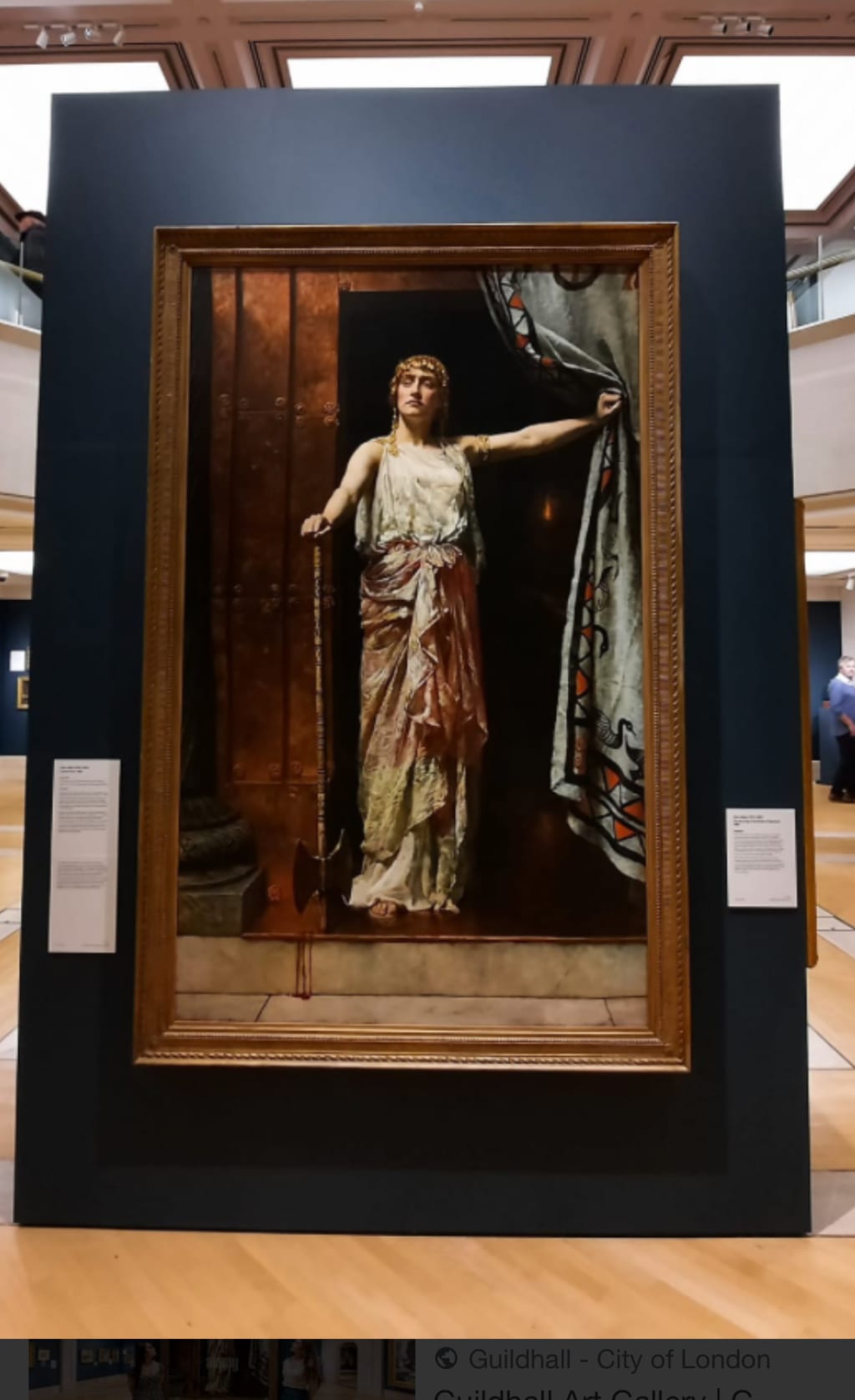
The arts have long been regarded as a powerful force in human civilization. From the earliest cave paintings to the digital art of today, creative expression has played a crucial role in shaping cultures, reflecting human experiences, and advancing society in numerous ways. The diverse range of artistic forms—visual arts, music, literature, theater, dance, and digital media—each offer unique benefits to individuals and society as a whole. Understanding the various types of art and their positive contributions is essential in appreciating why the arts are not just a luxury, but a fundamental part of the human experience. This essay delves into the different types of art and explores their role in promoting creativity, emotional expression, education, and social cohesion, among other societal benefits.
1. Visual Arts: The Power of Representation
Visual arts encompass a broad spectrum of artistic expressions, including painting, sculpture, photography, and graphic design. These art forms rely on visual elements to communicate ideas, emotions, and cultural narratives. Some of the earliest and most iconic forms of visual art can be found in cave paintings, ancient sculptures, and architectural marvels, all of which continue to inform modern visual culture.
The value of visual arts lies in its ability to represent the world in ways that engage the senses and provoke deep thought. Art can reflect society’s values, conflicts, and aspirations. Through the work of artists, viewers are invited to step into the perspective of others, whether it’s by witnessing historical events, exploring social issues, or contemplating personal experiences. The works of artists like Picasso, Van Gogh, and Da Vinci are not merely beautiful objects; they are complex commentaries on the human condition, often providing insight into political, psychological, and cultural contexts of their times.
The visual arts also play a significant role in fostering creativity and innovation. Artists are continually experimenting with new techniques and materials, pushing the boundaries of what is possible. This innovative spirit extends beyond the art world, influencing fields such as technology, engineering, and design. For example, advances in digital media and graphic design have revolutionized advertising, entertainment, and online communication, showing how the arts contribute to the broader economy.
2. Music: The Universal Language
Music, perhaps more than any other form of art, is a universal language that transcends cultural and linguistic barriers. From classical symphonies to modern pop music, music serves as both a form of entertainment and a means of social connection. It is an art form that engages both the mind and the body, often invoking emotional responses that are profound and immediate. Music has been shown to affect brain activity, enhance cognitive abilities, and even improve physical health by reducing stress and anxiety.
One of the most important functions of music in society is its ability to bring people together. Whether through communal events such as concerts, religious ceremonies, or national anthems, music fosters a sense of unity and collective identity. National anthems, for instance, serve as a reminder of shared history and values, while music festivals like Woodstock or Glastonbury demonstrate the power of music to unite diverse groups in celebration of common interests.
Music also allows for personal expression and emotional release. It gives individuals a way to articulate feelings they might otherwise struggle to convey, whether through composing, playing an instrument, or simply listening. The therapeutic potential of music is well-documented in areas such as music therapy, where songs and rhythms are used to improve mental health, aid recovery from trauma, and provide emotional support.
3. Literature: The Art of Words
Literature, including novels, short stories, poetry, and drama, is one of the oldest and most influential forms of art. Through written words, authors have the ability to create entire worlds, explore the intricacies of human relationships, and grapple with existential questions. Much like visual art, literature reflects the society in which it is created, while also challenging and critiquing prevailing norms. Writers have used literature as a vehicle for social change, as seen in the works of authors like George Orwell, who used 1984 to critique totalitarianism, or Harriet Beecher Stowe, whose Uncle Tom’s Cabin helped ignite the abolitionist movement in the U.S.
Literature has a profound impact on personal development and intellectual growth. Reading exposes individuals to different perspectives, experiences, and worldviews, which fosters empathy and critical thinking. Literature encourages individuals to question assumptions, broaden their understanding of the world, and explore the depths of human emotion and thought. In educational settings, literature serves as a foundation for developing language skills, creativity, and analytical thinking, all of which are essential in an increasingly complex and interconnected world.
Additionally, literature provides a safe space for individuals to explore difficult or taboo subjects. Through fictional stories, readers can confront issues like love, loss, betrayal, and death in a way that allows for reflection and healing. This emotional connection to literature is a means of self-discovery and personal growth, offering readers the opportunity to gain deeper insights into their own lives.
4. Theater and Performance Arts: The Human Experience on Stage
Theater and performance art combine elements of visual art, literature, and music, creating a live experience that is uniquely engaging. From ancient Greek tragedies to modern plays, theater has long been a means of exploring human nature, societal norms, and existential dilemmas. The immediacy of live performance creates a dynamic interaction between the actors and the audience, allowing for a shared emotional experience.
Theater is also a powerful tool for social change. Plays and performances have historically been used as a way to critique political systems, question cultural practices, and advocate for social justice. For instance, works like The Vagina Monologues have highlighted women’s issues, while Death of a Salesman critiques the American dream. Through performance, theater artists challenge audiences to confront uncomfortable truths, engage in meaningful dialogue, and reflect on societal issues.
Moreover, theater has educational value as it promotes teamwork, communication, and problem-solving. Participating in or watching theater builds empathy, as audiences and performers alike are asked to step into the shoes of others. It also provides a unique way of understanding history and culture, as historical events are reenacted on stage, allowing for an immersive experience of the past.
5. Dance: Expression Through Movement
Dance, one of the oldest forms of art, expresses emotions, tells stories, and conveys ideas through movement. Like music, dance has the power to evoke a wide range of emotional responses, from joy and exhilaration to sadness and despair. From classical ballet to hip-hop, dance is a universal language that allows individuals to communicate without words, using the body as an instrument of expression.
Beyond its artistic value, dance has numerous health benefits. It improves physical fitness, coordination, and balance, and it has been shown to boost mental health by reducing symptoms of depression and anxiety. Dance also plays an important role in socialization. Dance styles such as ballroom dancing, folk dances, and contemporary group dances foster a sense of community and connection among participants.
Culturally, dance is a vital aspect of social identity. It allows individuals and groups to celebrate their heritage and pass down traditions. For example, flamenco, ballet, or African dance are not just artistic practices but deeply ingrained parts of their respective cultures, representing both history and a living tradition. In this way, dance not only provides a means of personal expression but also preserves and propagates cultural narratives across generations.
6. Digital and Interactive Art: The New Frontier
With the rise of technology, digital art has emerged as a new and exciting form of creative expression. Digital art encompasses everything from computer-generated images and animation to interactive installations and virtual reality. Artists now have the ability to manipulate and create on digital platforms, leading to an entirely new realm of artistic exploration.
The beauty of digital art lies in its accessibility and its potential for interactivity. Unlike traditional forms of art, digital art can be shared globally with a single click, reaching audiences from all corners of the world. It allows for a level of collaboration and engagement that is unique to the digital age, making art more inclusive and participatory. Video games, for example, are not only a form of entertainment but also a medium for storytelling, where art, narrative, and interactivity merge to create fully immersive experiences.
Moreover, digital art has revolutionized how we engage with culture and the arts. Online platforms, social media, and virtual galleries allow people to experience art in new ways, breaking down barriers between artists and their audiences. Digital art also holds promise in areas such as education, therapy, and environmental advocacy, demonstrating its potential to influence a wide range of fields and contribute to social change.
Conclusion: The Arts as a Pillar of Society
From visual arts and music to literature, theater, dance, and digital media, each form of art plays a unique and irreplaceable role in society. Art encourages creativity, fosters emotional expression, provides educational value, and strengthens social bonds. Beyond its cultural significance, the arts contribute to economic growth, innovation, and mental health, enhancing the overall well-being of individuals and communities.
As societies become more complex and interconnected, the arts remain a vital source of reflection, critique, and renewal. By preserving and nurturing the arts, we cultivate a deeper understanding of ourselves, our cultures, and the world around us. The arts help us make sense of the world’s complexities, celebrating human diversity and connection. In this way, the arts are not merely a luxury—they are a cornerstone of society, offering insight, inspiration, and meaning in a rapidly changing world.
About the Creator
Trina Tuthill
Journlaist and radio presnter, podcast host - Passionate about social justice, feminism, family issues, culture, and music opinions and reviews.
Tips welcome
Keep reading
More stories from Trina Tuthill and writers in Art and other communities.
The Whispers
The Whispers of South London Tracy had always been a quiet woman. Quiet in her thoughts, quiet in her words. At 33, she had built a life around the stillness—an apartment tucked away on a narrow street in South London, far from the bustling city center. It was the kind of place that felt too small to house the quiet despair she carried, but it was hers, and it was all she had. She lived alone, no roommates, no family. The silence of her apartment was both a sanctuary and a cage.
By Trina Tuthillabout a year ago in Confessions
'Till Death We Do Art
There would be nothing divine in this world without art. Nature may surpass the divine to all intents and purposes, but like everything it absorbs and is absorbed by, it remains here, stuck on the surface of this world, ever-present, physically bound to the universe.
By Avocado Nunzella BSc (Psych) -- M.A.P 21 days ago in Art
The Dress That Broke the Internet Was Gold and Nobody Could Agree on Why
She walked into the room and everything stopped. Not because of her confidence or music that was playing, though there was plenty of that. Everything stopped because of the dress. Floor-length, liquid, blazing gold, it caught every light in the room and threw it straight back.
By CurlsAndCommas5 days ago in Art



Comments
There are no comments for this story
Be the first to respond and start the conversation.