
THE IMPACT OF CORRUPTION ON AFRICA SINCE COLONIAL FREEDOM
Let’s fight corruption not ourselves

Since independence in 1960, Nigeria has been plagued with corruption, and the impact of this corruption has been devastating. Corruption has been an integral part of the Nigerian political system since the country gained independence from the British. From the highest levels of government to the lowest, corruption has been a pervasive problem in Nigeria.
The effects of corruption in Nigeria have been far-reaching and have had a devastating impact on the country’s economy, political system, and social welfare. Corruption has been linked to the decline in the quality of public services, the mismanagement of public funds, and the lack of accountability in the public sector. The lack of transparency and accountability in the public sector has led to the misappropriation of public funds and resources, as well as the creation of a culture of impunity.
Corruption has also had a negative effect on Nigeria’s economic growth. The mismanagement of public funds and resources has led to a lack of investment in infrastructure and social services, resulting in a lack of economic growth and development. This has resulted in high levels of poverty and inequality, as well as high levels of unemployment.
Corruption has also had a negative effect on Nigeria’s political system. It has led to the weakening of the rule of law, as well as the erosion of public trust in government. This has resulted in a lack of political stability and an increased risk of political violence.Since gaining independence from colonial rule corruption has had a significant impact Africa and some of these impacts are detailed below
1. Socioeconomic inequality: Corruption diverts funds and resources meant for development, resulting in limited access to basic services such as healthcare, education, and infrastructure. This exacerbates socioeconomic disparities within African countries, widening the gap between the rich and the poor.
2. Impaired economic growth: Corruption stifles economic progress by creating an unfavorable business environment. It discourages both domestic and foreign investments, leading to reduced economic growth and job opportunities. Illicit financial flows caused by corruption also drain substantial amounts of money out of Africa, hindering economic development.
3. Weakened governance: Corruption erodes the trust and legitimacy of government institutions. It undermines the rule of law, weakens democratic processes, and hampers effective governance. This, in turn, fosters a culture of impunity and can lead to political instability and conflicts within African nations.
4. Limited access to justice: Corruption in the judicial system often results in compromised legal procedures, leading to unfair trials, bribery, and lack of access to justice for citizens. This undermines the principles of justice and human rights, impeding efforts to uphold the rule of law.
5. Decreased foreign aid effectiveness: Africa heavily depends on international aid for development and poverty alleviation. However, corruption reduces the effectiveness of aid, as funds meant for public welfare projects are often siphoned off or misused. This results in less impact on poverty reduction and hinders sustainable development efforts.
6. Increased poverty and inequality: The negative consequences of corruption, including limited access to basic services, weakened economies, and compromised governance, further exacerbate poverty and inequality in Africa. The most vulnerable populations, including women, children, and marginalized communities, bear the brunt of these consequences.
Addressing corruption requires a multi-faceted approach, including strengthening institutions, promoting transparency and accountability, empowering civil society, and fostering a culture of integrity. By addressing corruption, African nations can pave the way for sustainable development, improved governance, and enhanced social justice.
About the Creator
Keep reading
More stories from writers in Art and other communities.
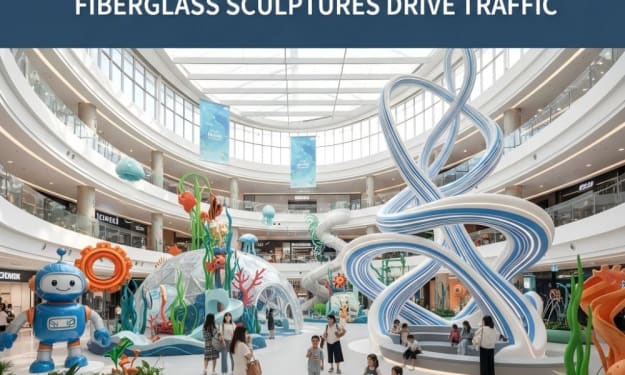
2026 Commercial Space Design:How Fbierglass Sculpture Drives Traffic
Today, offline commercial spaces are facing continuous pressure. With e-commerce offering convenient and fast services, physical stores must showcase unique features to attract customers. In this context, fiberglass sculptures are no longer merely decorative items; they have become visual focal points in shopping malls, brand stores, pop-up shops, and mixed-use commercial projects, playing a crucial role in increasing foot traffic.
By Shenzhen Ruiheng Crafts3 days ago in Art
Why Strategic Branding Is Essential for Long-Term Business Growth
In today’s fast-paced digital environment, businesses face constant pressure to stand out. Consumers are exposed to endless choices every day, making attention harder to earn and trust harder to keep. While quality products and services are important, they are no longer the only factors that determine success. Strategic branding plays a key role in helping businesses grow steadily and remain relevant over time.
By Ayush Bagwari3 days ago in Art


Comments
There are no comments for this story
Be the first to respond and start the conversation.