
The History of Wrapping Paper
Questions you never thought to ask!
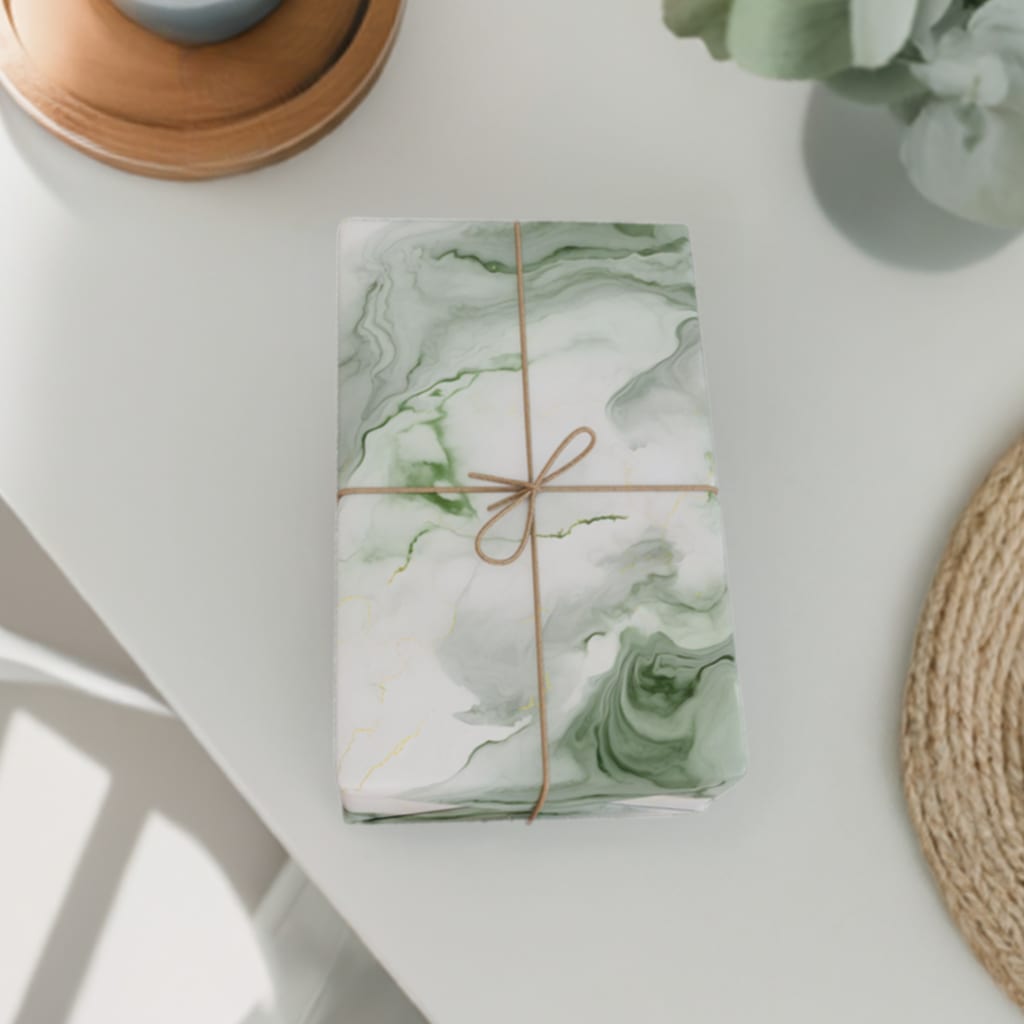
Gift-giving is a universal human tradition, often accompanied by the practice of wrapping presents in decorative materials. Wrapping paper, in particular, has a fascinating history that spans centuries, evolving from simple cloth wrappings to intricate paper designs. While wrapping serves a practical purpose—concealing the contents and protecting gifts—it has also become an artistic expression and a symbol of celebration. This essay explores the historical evolution of unique wrapping paper, tracing its roots in ancient cultures, its transformation in Europe, the rise of the commercial wrapping paper industry, and its impact on modern society.
If looking for unique wrapping paper that you can buy online today, we recommend Sulky Sweet
We recently discovered them and they have the coolest wall papers! They have Spicy Amethyst Gemstone Wrapping Paper & a Golden Croissant Wrapping Paper to name a few that we love. But back to our fascinating story on the history of wrapping paper.
Ancient Origins of Wrapping Gifts
Long before the invention of wrapping paper, people found ways to present gifts with care and ceremony. Ancient civilizations, including those in China and Japan, developed unique traditions of wrapping gifts using paper and cloth.
China: The Birthplace of Paper Wrapping
The earliest known use of wrapping paper dates back to ancient China, where paper was invented during the Han Dynasty (around 100 BCE). The Chinese were the first to use paper not only for writing but also for packaging and gift-giving. By the Song Dynasty (960–1279 CE), officials began wrapping monetary gifts in special envelopes known as chih pao, made of paper. These envelopes were often given to government officials as tokens of appreciation or tribute.
Additionally, during the Ming and Qing Dynasties, Chinese culture emphasized the aesthetics of presentation. Gifts were carefully wrapped in decorative papers, often featuring calligraphy or traditional motifs, as a sign of respect and honor. This practice laid the foundation for later developments in wrapping paper.
Japan: The Tradition of Furoshiki
While China pioneered paper wrapping, Japan developed its own sophisticated tradition using fabric. Furoshiki, a square piece of cloth, was used since the Nara period (710–794 CE) to wrap and transport goods. Over time, this technique became an art form, with elaborate folding methods and beautiful patterns adorning the cloth. Unlike disposable wrapping paper, furoshiki was designed for reuse, making it a sustainable alternative that continues to be popular today.
Japanese wrapping culture also included noshi, a ceremonial form of gift wrapping using decorative paper strips attached to the gift. The combination of paper and fabric in Japanese wrapping traditions demonstrated a refined sense of presentation, a theme that would later influence modern gift-wrapping styles.
European Traditions and the Rise of Decorative Paper
While Asian cultures developed paper-based wrapping traditions, Europe relied more on fabric wrappings until the widespread availability of paper.
Medieval and Renaissance Wrapping Practices
During the Middle Ages in Europe, fabric was commonly used to wrap and present valuable gifts. Wealthy individuals often used luxurious materials such as silk, velvet, or embroidered cloth to enclose gifts, especially for royalty and nobility. The wrapping of gifts was not just about concealment but also a way to display wealth and social status.
Paper, although available in Europe from the 12th century (thanks to trade with the Middle East and Asia), was expensive and primarily used for books and manuscripts. However, by the 17th and 18th centuries, as paper production became more widespread, people began using it for gift presentation.
The Victorian Era: The Birth of Decorative Wrapping Paper
During the Victorian period (1837–1901), the concept of decorative paper became more refined. The Industrial Revolution enabled the mass production of paper, making it more affordable for everyday use. Victorians, known for their elaborate and ornamental tastes, embraced decorative paper for various purposes, including gift wrapping.
Victorian gift wrap often featured intricate floral patterns, lace, and embossed textures. Hand-colored and printed paper became fashionable for wrapping presents, often tied with ribbons or lace. However, wrapping paper was still relatively expensive and was mainly used by the upper class. The act of presenting gifts with carefully chosen decorative wrapping became an essential part of Victorian holiday traditions, particularly during Christmas.
The 20th Century: The Commercialization of Wrapping Paper
The modern concept of wrapping paper as a mass-produced commodity emerged in the early 20th century, thanks to an accidental discovery by the Hall brothers, founders of Hallmark.
The Hallmark Revolution: 1917
In 1917, Joyce and Rollie Hall, owners of a stationery store in Kansas City, Missouri, ran out of traditional tissue paper, which was commonly used for wrapping gifts at the time. In a moment of ingenuity, they decided to sell decorative French envelope liners as an alternative. To their surprise, the colorful paper was a huge success.
Recognizing the potential for a new product, Hallmark began producing and selling dedicated wrapping paper with printed patterns. By the 1930s, wrapping paper had become a popular holiday and special-occasion staple in American households. The innovation of mass-produced, decorative wrapping paper transformed the industry, making it widely accessible to consumers.
Post-War Boom and the Rise of Commercial Gift Wrap
After World War II, consumer culture flourished, and the demand for holiday-themed wrapping paper surged. Advances in printing technology allowed for more elaborate and colorful designs. Wrapping paper manufacturers introduced a variety of styles, including:
Christmas-themed wrapping paper with festive imagery like Santa Claus, snowflakes, and holly.
Birthday and occasion-specific paper with bright colors and celebratory motifs.
Foil and metallic wrapping paper, which added a touch of luxury to gift presentation.
By the mid-20th century, wrapping paper became an integral part of celebrations worldwide, reinforcing the joy and excitement of giving and receiving gifts.
The Environmental Impact and Modern Trends
While wrapping paper has become a beloved part of modern celebrations, its environmental impact has raised concerns in recent years. Many traditional wrapping papers contain non-recyclable elements such as plastic coatings, foil, and glitter, contributing to landfill waste.
Sustainable Alternatives
As awareness of environmental issues grows, many consumers are turning to eco-friendly wrapping alternatives, such as:
Recyclable and biodegradable wrapping paper, made from sustainable sources.
Reusable fabric wraps, similar to traditional furoshiki.
DIY and upcycled wrapping materials, including newspaper, kraft paper, and reusable gift bags.
Retailers and manufacturers are also responding by producing more sustainable options, ensuring that the joy of wrapping gifts does not come at the expense of the environment.
The history of wrapping paper is a fascinating journey through time, culture, and innovation. From ancient Chinese paper wrappings and Japanese furoshiki to the Victorian love for decorative presentation and the commercial revolution of the 20th century, the tradition of wrapping gifts has continuously evolved. Today, as environmental concerns reshape consumer choices, the future of wrapping paper may lean toward sustainable and reusable solutions. However, the essence of beautifully wrapped gifts—creating anticipation, joy, and appreciation—remains as significant as ever. Whether wrapped in ornate paper, recycled materials, or cloth, the act of gift-wrapping continues to be a cherished tradition worldwide.
About the Creator
Keep reading
More stories from Juan Hernandez and writers in Art and other communities.
Buying Furniture is Fun
Buying vintage furniture can be an enjoyable and fulfilling experience for many reasons. It is not just about purchasing items to fill a space; it is an opportunity to express personal style, create a comfortable living environment, and embark on an exciting journey of discovery and creativity. Whether shopping online or in a physical store, the process of selecting furniture offers a unique blend of excitement, inspiration, and satisfaction.
By Juan Hernandezabout a year ago in Art
'Till Death We Do Art
There would be nothing divine in this world without art. Nature may surpass the divine to all intents and purposes, but like everything it absorbs and is absorbed by, it remains here, stuck on the surface of this world, ever-present, physically bound to the universe.
By Avocado Nunzella BSc (Psych) -- M.A.P 24 days ago in Art
Worth the Wait: Puerto Viejo, Costa Rica
Beach bumming in a small Caribbean beach town sounded like a perfect way to end our 6-month trip through Mexico and Central America. Or so we thought. The foul, fishy stench of rotten seaweed hit our nostrils as we stepped from the cramped bus and looked out at a rather depressing, empty, and underwhelming black sand beach. It was pouring with rain, and we had to quickly fish out our ponchos. We thought, this couldn’t be it, could it?
By Sh*t Happens - Lost Girl Travel6 days ago in Wander




Comments