
The Hidden Psychology of Color: Teaching Kids Through Art
The Impact of Color on Kids’ Minds and Creativity
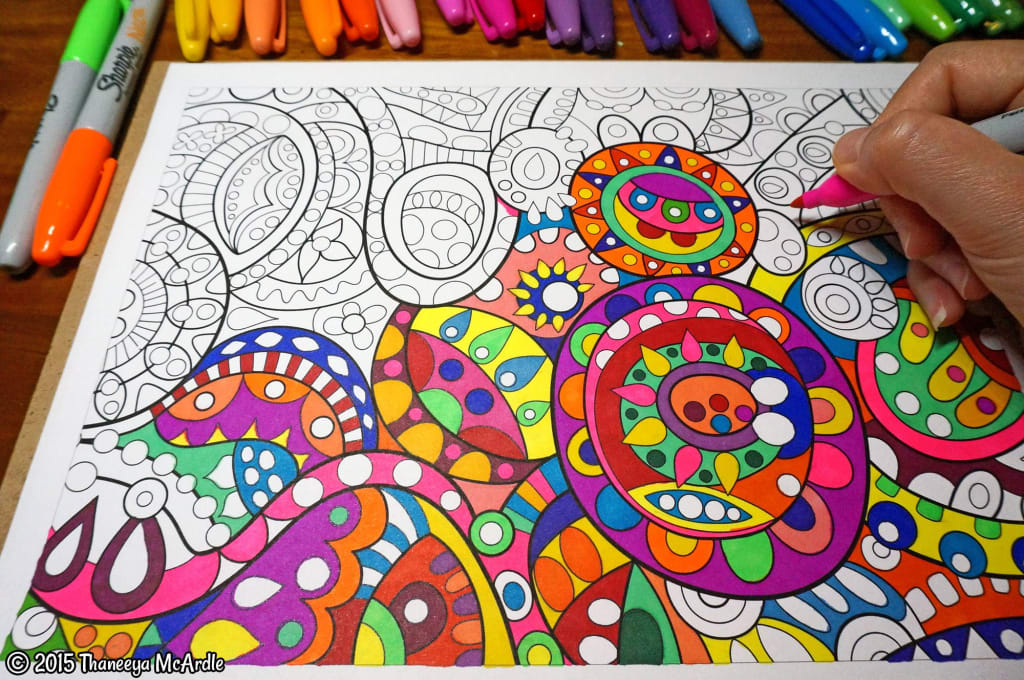
Color is one of the first things a child learns to recognize, name, and associate with emotions and experiences. Yet, despite its apparent simplicity, color holds profound psychological power—especially when used intentionally in education. From boosting memory retention to improving emotional regulation, the psychology of color can transform how children learn and engage. By integrating color theory into art-based teaching strategies, educators and parents can unlock a deeper, more intuitive form of learning.
Understanding Color Psychology in Education
Color psychology explores how hues affect human behavior and mental processes. While the field is often associated with marketing or interior design, it also holds significant potential in early childhood education and cognitive development.
Research shows that children are particularly sensitive to color. A study published in the journal Early Child Development and Care (Read & Upington, 2009) found that classroom color schemes directly impacted student mood and engagement. Bright, warm colors like red and yellow stimulated alertness and activity, while cooler tones like blue and green promoted calmness and focus.
In essence, colors can either overstimulate or soothe, depending on their application. This makes it crucial for educators and caregivers to understand not only which colors to use, but also when and how to use them.
The Role of Art in Color Learning
Art is a natural and effective vehicle for teaching children about color psychology. Unlike rote learning or standardized testing, art-based instruction is experiential, hands-on, and deeply personal. Children not only see color—they interact with it emotionally and creatively.
For example, asking a child to “paint how they feel” using color choices encourages emotional awareness and expression. A child feeling anxious may choose stormy greys or deep blues, while one feeling joyful might gravitate toward oranges and yellows. This form of expression often reveals what words cannot, especially in younger children who are still developing verbal skills.
Beyond emotion, art helps children grasp abstract concepts through color. Math lessons using color-coded patterns can improve number recognition. History lessons illustrated with color-themed timelines can reinforce memory. Science projects involving primary and secondary color mixing teach fundamental concepts of light and perception.
How Specific Colors Influence Learning
Different colors have unique psychological associations and can be used strategically to enhance specific learning outcomes:
Blue – Known for its calming properties, blue can help reduce anxiety and increase concentration. It’s particularly useful in reading or test-taking environments.
Green – Often associated with growth and balance, green creates a restful environment and is ideal for classrooms aiming to reduce stress or tension.
Yellow – A bright and cheerful color that stimulates mental activity and creativity. However, overuse can lead to restlessness, especially in younger children.
Red – This intense color increases heart rate and energy but can also cause feelings of urgency or stress. Best used sparingly to grab attention or highlight important information.
Purple – Often linked with imagination and creativity, purple works well in artistic or storytelling activities.
Orange – Combines the energy of red and the cheerfulness of yellow. It encourages social interaction and enthusiasm, making it great for group activities.
When teachers and parents understand these associations, they can design learning environments that naturally support different types of cognitive and emotional development.
Color-Informed Teaching Strategies
Incorporating color psychology into teaching doesn’t require a complete classroom redesign. Even small changes can have a significant impact. Here are a few practical strategies:
Color-Coding Materials: Use specific colors for subjects—blue for math, red for reading, green for science. This helps with organization and memory retrieval.
Mood-Based Art Projects: Ask children to choose colors based on how they feel. Discuss the associations together to build emotional intelligence and empathy.
Themed Color Days: Dedicate a day to a specific color and explore its meaning through stories, songs, and drawing activities.
Mindful Coloring Breaks: Introduce short coloring sessions between academic tasks. Studies suggest this helps regulate mood and restore focus.
Interactive Color Mixing: Teach color theory through hands-on painting projects, allowing students to discover how different hues interact.
Beyond the Classroom: Color at Home
Parents can extend color-based learning into the home environment as well. Creating a calm, focused homework space with cool tones like blue or green can enhance productivity. Offering children a choice of colored pencils or paints during craft time gives them autonomy and fosters creativity. Even simple activities like sorting toys by color reinforce early learning concepts in a fun, low-pressure way.
Conclusion: The Power of Seeing in Color
Color is more than decoration—it’s a language of its own, especially for young minds still learning how to express themselves. Through the lens of art and guided by the principles of color psychology, educators and parents can open new doors to emotional awareness, memory retention, and creative growth.
By teaching kids through color, not just about color, we nurture more than artistic talent—we cultivate minds that are focused, expressive, and attuned to the vibrant world around them.
About the Creator
Brian Decker
An education writer and art enthusiast who has shared creative ideas with Worksheetzone.org. Dedicated to promoting mindfulness, creativity, and emotional growth through engaging learning experiences.
Keep reading
More stories from Brian Decker and writers in Art and other communities.
Color Your Way to Mindfulness: A Guide for Teachers and Parents
In today’s fast-paced world, children are growing up surrounded by constant stimulation-screens, schedules, and an endless stream of activities. As a result, many kids experience stress, restlessness, or difficulty focusing. For teachers and parents searching for simple, accessible ways to help children slow down and reconnect with themselves, one powerful tool often gets overlooked: coloring.
By Brian Decker4 months ago in Art
The Best Philosophy in the World Is the One You Can Live
Ask ten philosophers what the best philosophy in the world is, and you will receive at least ten different answers—possibly delivered with footnotes, counterarguments, and mild contempt for the other nine. This disagreement is not a flaw of philosophy; it is its essence. Philosophy was never meant to be a universal prescription handed down like a rulebook. It exists to help human beings live better lives. By that standard, the best philosophy in the world is not the most elegant or complex—it is the one that can be lived.
By Fred Bradford3 days ago in Art
How to Succeed at the Benson Directory®
Congratulations and welcome to the Benson Directory® employee #22391! As our newest call handler, you will have the privilege of speaking with dozens of unique and interesting people on a daily basis as well as the opportunity to earn bonuses for high performance. Contained within this handbook you will find a set of ease to follow instructions designed to help you settle in to your new role and begin paving the way to success.
By S. A. Crawforda day ago in Fiction



Comments
There are no comments for this story
Be the first to respond and start the conversation.