
The Hidden Psychology in Vermeer’s Domestic Scenes
The Stillness That Screams

There are no sword fights in Vermeer’s paintings.
No grand mythologies, no storms, no suffering saints. Just women reading letters. Pouring milk. Gazing out windows.
And yet — the longer you look, the more you feel it: something enormous, unspoken, unfolding in absolute stillness.
In a world saturated with noise, Johannes Vermeer whispers. And somehow, he shakes us more deeply than artists who shout.
Let’s unravel how.
A Painter of the Everyday — But Not Quite
Vermeer painted fewer than 40 known works. He wasn’t prolific, and during his life, he was hardly famous. He lived in Delft, a modest Dutch city, and painted interiors — almost always women, doing ordinary things in glowing domestic spaces.
But calling Vermeer a painter of “ordinary life” misses the point.
His genius wasn’t in what he painted, but in how he made it feel.
Look at The Milkmaid. A woman, standing at a table, pours milk. That’s it.
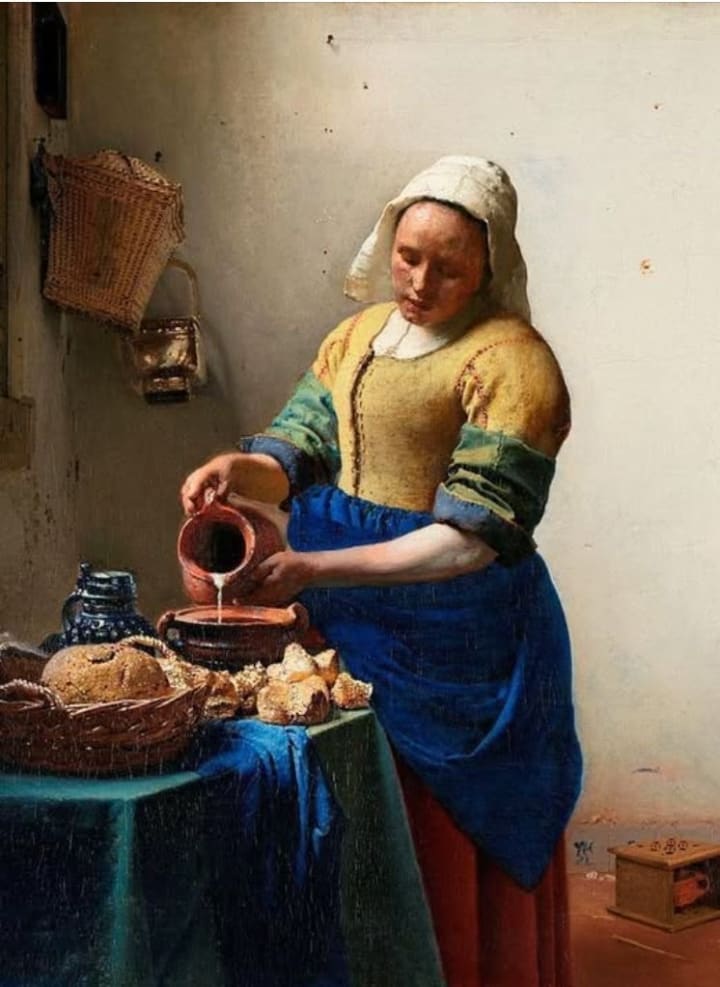
And yet — the weight of the jug, the warmth of the bread, the light catching on the wall — it vibrates with quiet intensity. You feel her focus. Her presence. The sacred in the mundane.
This is where Vermeer begins to differ.
The Light Is Doing More Than You Think
Vermeer didn’t just use light to illuminate. He used it to narrate.
Most of his scenes are lit from a window on the left. The glow isn’t theatrical — it’s soft, atmospheric. But look closer. The light isn’t just casting shadows. It’s shaping the emotional logic of the scene.
In Woman Holding a Balance, the woman appears to weigh gold jewelry — but behind her hangs a painting of the Last Judgment. Suddenly the meaning deepens: is she weighing her soul? Her choices?
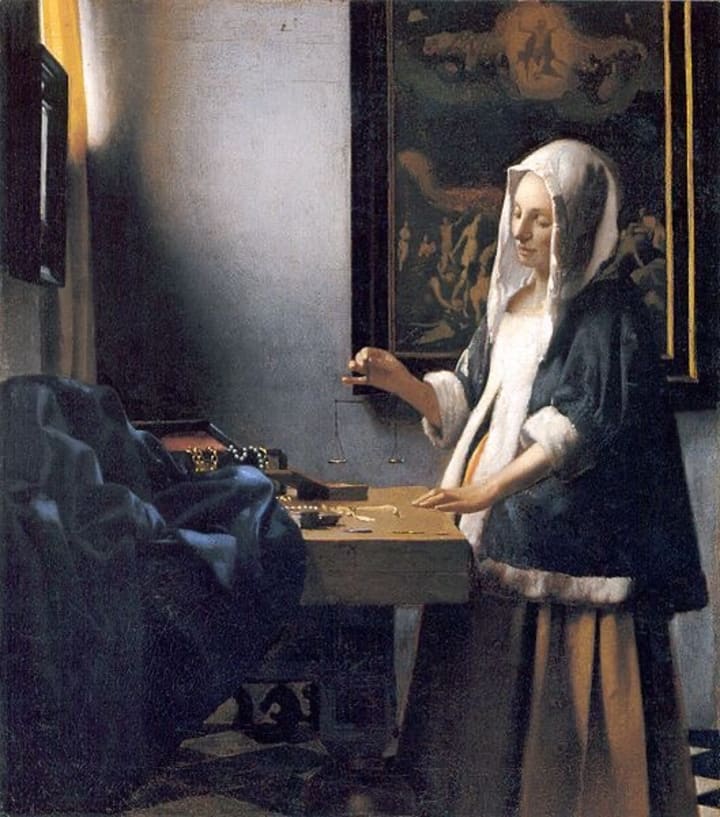
The light doesn’t just reveal her. It reveals the moral weight of her moment.
The Psychology of Stillness
Vermeer was a master of tension in tranquility.
His women often look absorbed — reading a letter (Girl Reading a Letter at an Open Window), playing a lute, or simply thinking. There is an emotional interiority rarely seen in painting before. These are not decorative subjects; they are full people, caught in psychological moments.
What’s in the letter? What is she feeling? Vermeer gives no answers — just enough space for your mind to rush in and fill the silence.
That’s the secret.
Vermeer doesn’t tell you what to feel — he creates the stillness where you begin to feel it yourself.
A Hidden Code of Time
There’s also a philosophical aspect to Vermeer’s work that modern viewers might miss: time.
In a fast-moving world (even in the 1600s), Vermeer’s work arrests time. His paintings are not about action — they’re about pause. About the micro-moments where decisions brew, thoughts form, longing stirs.
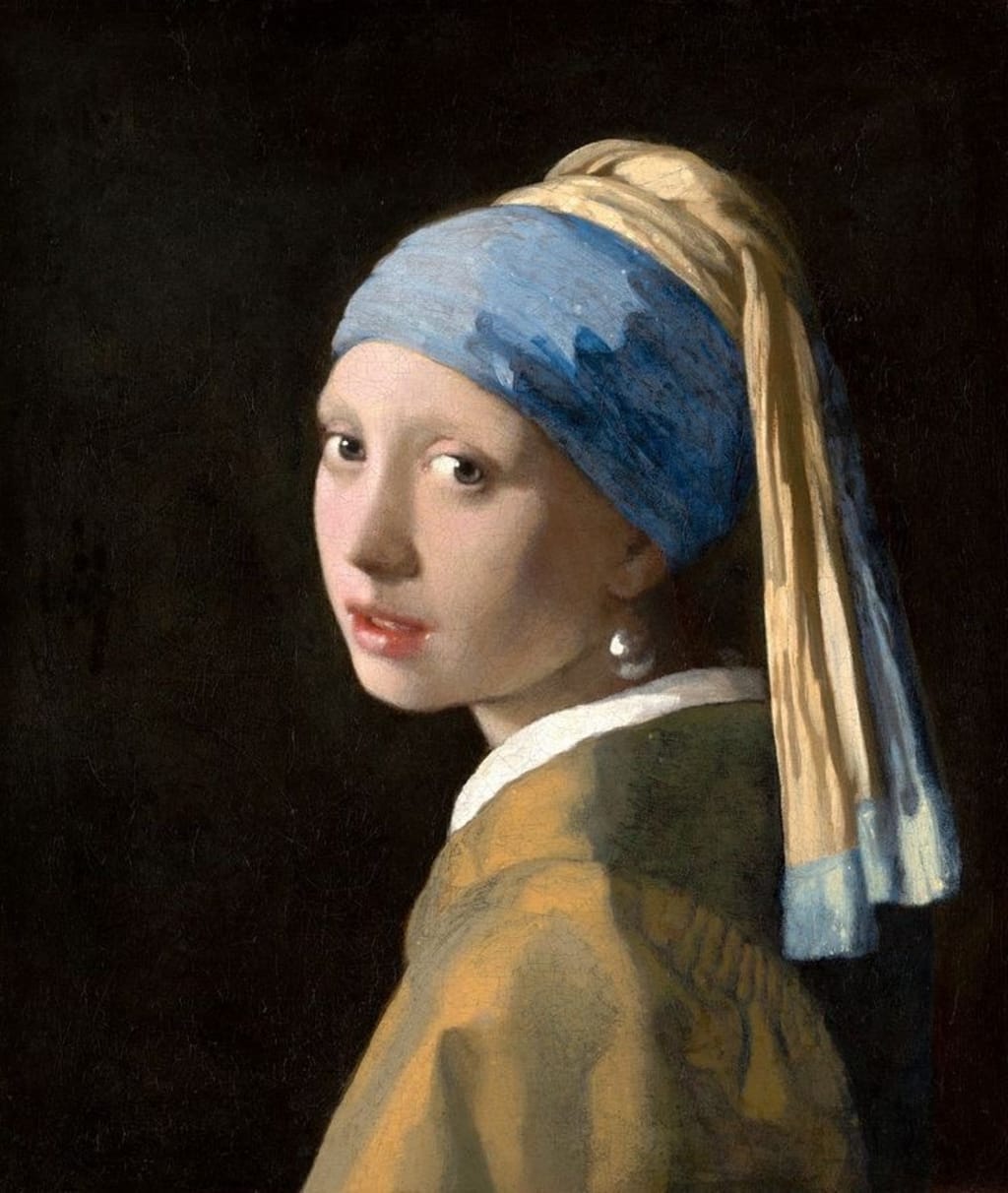
In Girl with a Pearl Earring, the most famous of his works, the girl turns toward you — lips slightly parted, eyes wide. What just happened? What is she about to say?
It’s not a portrait. It’s a question.
Why Vermeer Still Matters Now
In a culture of noise, Vermeer’s value has only grown.
He reminds us that stillness is not emptiness — it’s depth.
His work is the antidote to the algorithm. You cannot swipe past it. You are forced to slow down, look again, and feel something ancient and human: the presence of someone else, fully alive, in a quiet room.
Vermeer is not just a painter of interiors. He is a painter of interiority — of the spaces inside us, and between us.
That’s what makes his silence scream.
About the Creator
Zohre Hoseini
Freelance writer specializing in art analysis & design. Decoding the stories behind masterpieces & trends. Available for commissions.
Keep reading
More stories from Zohre Hoseini and writers in Art and other communities.
The Artist Who Painted Like He Was Tearing Off His Skin
His lines are jagged. His figures distorted. His gaze, unflinching. To many, Egon Schiele’s art feels raw, uncomfortable — even grotesque. But step past the shock, and you begin to see what he was really doing: turning the human body into a diary. A confession. A wound.
By Zohre Hoseini9 months ago in Art
A Matter of Coincidence
Tuesday, 3 September 2024 Ayesha Fareed Ahmed, Mirpur Khas Sheeda was a simple and innocent man. One day, he was going to his wife’s village to bring her back. On the way, he saw some donkeys grazing on grass at a certain place. Eventually, he reached his in-laws’ house. His wife’s brother asked him to sit in the guest room.
By Sudais Zakwanabout 19 hours ago in Art
The Devil's Cut
“Comrade, finally you’re awake.” The voice was smooth, sensual. A flickering incandescent bar was all that lit the white, sterile room. All Vladimir remembered was everything going black. He tried to move his arms and found them strapped to the gurney.
By Matthew J. Fromm4 days ago in Fiction



Comments
There are no comments for this story
Be the first to respond and start the conversation.