
The Fascinating World of Plastic Art
Understanding Plastic Art: A New Frontier in Creativity

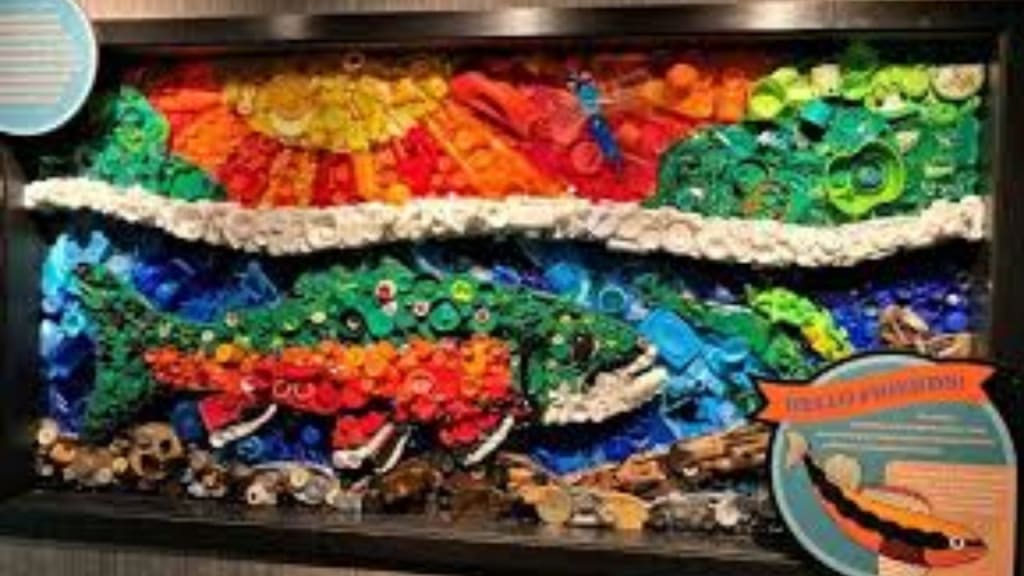
In recent years, the art world has witnessed a significant shift towards innovative materials, and one such material making waves is plastic. Plastic art, a dynamic and evolving genre, encompasses various forms, from sculpture to installation art. This article explores the concept of plastic art, its impact on contemporary art, and its role in environmental awareness.
What is Plastic Art?
Plastic art refers to artworks created using plastic materials. This can include sculptures, mixed media pieces, and even functional art. Artists often utilize recycled plastics, transforming waste into stunning visual statements. The versatility of plastic allows for endless creativity, encouraging artists to experiment with colour, texture, and form.
The Environmental Impact of Plastic Art
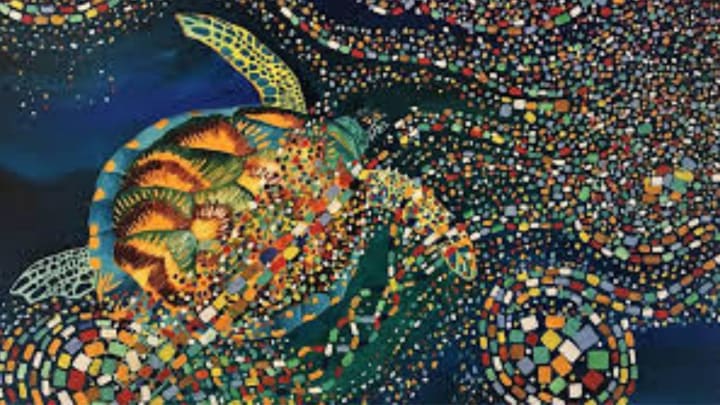
As concerns about plastic pollution grow, many artists are using their work to raise awareness about environmental issues. By repurposing plastic waste into art, they not only highlight the problem but also inspire viewers to rethink their relationship with materials. This intersection of art and activism is a powerful tool for change.
Notable Plastic Artists
Several artists have made a name for themselves in the realm of plastic art. For instance, El Anatsui creates large-scale installations using discarded bottle caps, while Aurora Robson focuses on transforming plastic debris into intricate sculptures. Their work demonstrates the potential of plastic as a medium for social commentary and artistic expression.
Creating Your Own Plastic Art
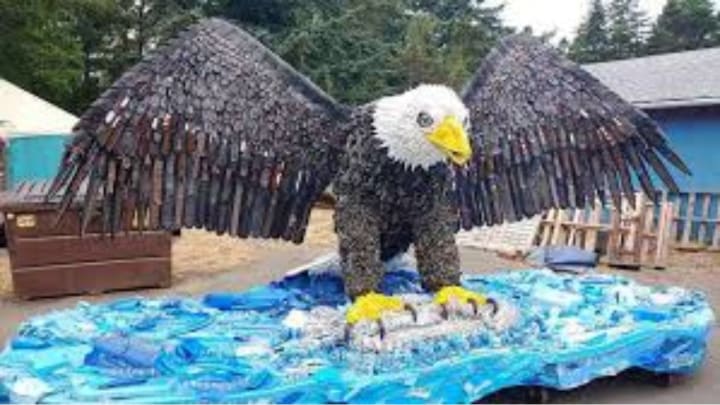
If you're inspired to create your plastic art, start by gathering materials. Look for recycled plastic items around your home—think bottles, containers, and packaging. Consider how you can combine these elements to form a cohesive piece. Remember, the key is to let your creativity shine while being mindful of the message you want to convey.
How to Get Started with Plastic Art: A DIY Guide
Gather Materials: Collect various plastic items—bottles, containers, wrappers, and other discarded plastics. Thrift stores and recycling centres can also be great sources.
Plan Your Artwork: Sketch out ideas or concepts you want to explore. Consider themes like environmental awareness or personal stories.
Experiment with Techniques: Try different methods such as cutting, melting, or assembling. Use tools like glue guns, scissors, or even heat sources (with caution) to manipulate the plastic.
Create Your Piece: Assemble your materials into your envisioned artwork. Allow your creativity to guide you—there are no strict rules in art!
Share Your Work: Once finished, consider sharing your art on social media or at local exhibitions to inspire others and raise awareness about plastic waste.
Frequently Asked Question
What is plastic art?
Plastic art refers to artworks created using plastic materials, often including sculptures, installations, and mixed media pieces. Artists frequently use recycled plastics to create innovative and thought-provoking works.
Why is plastic art important?
Plastic art raises awareness about environmental issues related to plastic pollution. By transforming waste into art, it encourages viewers to rethink their consumption habits and the impact of plastic on the environment.
Who are some notable plastic artists?
Notable artists in this genre include El Anatsui, known for his large-scale installations made from bottle caps, and Aurora Robson, who creates intricate sculptures from plastic debris.
How can I create my plastic art?
To create your plastic art, gather recyclable plastic materials from your home. Experiment with different forms and colours, and focus on conveying a message or theme that resonates with you.
What types of plastic are commonly used in plastic art?
Artists often use various types of plastic, including PET (from bottles), PVC (from packaging), and HDPE (from containers). The choice of plastic depends on the desired effect and the artist's vision.
How does plastic art contribute to sustainability?
By repurposing plastic waste, plastic art promotes recycling and reduces the amount of plastic ending up in landfills. It serves as a visual reminder of the importance of sustainability in both art and everyday life.
What are the benefits of using recycled plastic in art?
Using recycled plastic helps reduce waste, promotes sustainability, and encourages recycling. It also fosters creativity, pushing artists to think outside traditional materials.
Can plastic art be durable and long-lasting?
Yes, many plastic artworks are durable due to the inherent properties of plastic. However, exposure to sunlight and harsh conditions can affect the longevity of certain pieces, so careful consideration is needed for outdoor installations.
How can schools incorporate plastic art into their curriculum?
Schools can introduce plastic art through workshops and projects that encourage students to use recycled materials. This not only teaches artistic skills but also fosters discussions on sustainability and environmental responsibility.
Is plastic art considered fine art?
Yes, plastic art is increasingly recognized within the fine art community. Many galleries and museums feature exhibitions dedicated to artists working with plastic, showcasing its legitimacy as a medium.
/VIDEO
Conclusion
Plastic art is more than just a trend; it represents a critical dialogue about sustainability and creativity. As artists continue to explore this medium, they pave the way for future generations to rethink the materials they use. By embracing plastic art, we can appreciate its beauty while advocating for a more sustainable future.
About the Creator
Zinnat ara Begum
I am an expert on Content Creator,
Video creation/editing: Adobe Premiere Pro, Final Cut Pro
Strong analytical and data-driven decision-making skills
Excellent communication and project management
Keep reading
More stories from Zinnat ara Begum and writers in Art and other communities.
The Most Beautiful Artworks of All Time
Art is an expression of the human experience, transcending time, culture, and geographical boundaries. Over the centuries, countless artists have created works that resonate deeply with viewers, evoking a wide range of emotions, from awe and admiration to introspection and wonder. Some of these works stand out not only for their technical brilliance but also for their profound impact on the course of art history. In this article, we will explore some of the most beautiful and influential artworks of all time—masterpieces that continue to inspire and captivate audiences worldwide.
By Zinnat ara Begumabout a year ago in Art
MUSIC
Why Music Is Way More Important Than Most People Think Honestly, music is one of those things we all use every single day, but we don’t really stop to think about how deep it actually goes. Like yeah, we play songs in the car, in the shower, while studying, or just when we’re bored. But music is doing way more than just filling up silence. It’s shaping how we feel, how we remember things, and even how we see the world, which is kinda crazy when you think about it.
By Beshoy Zayer2 days ago in Art



Comments
There are no comments for this story
Be the first to respond and start the conversation.