
The Color Chronicles: How [Blue] Shaped Art, Fashion, and Culture
"Unraveling the deep history, symbolism, and impact of the world’s most captivating color"

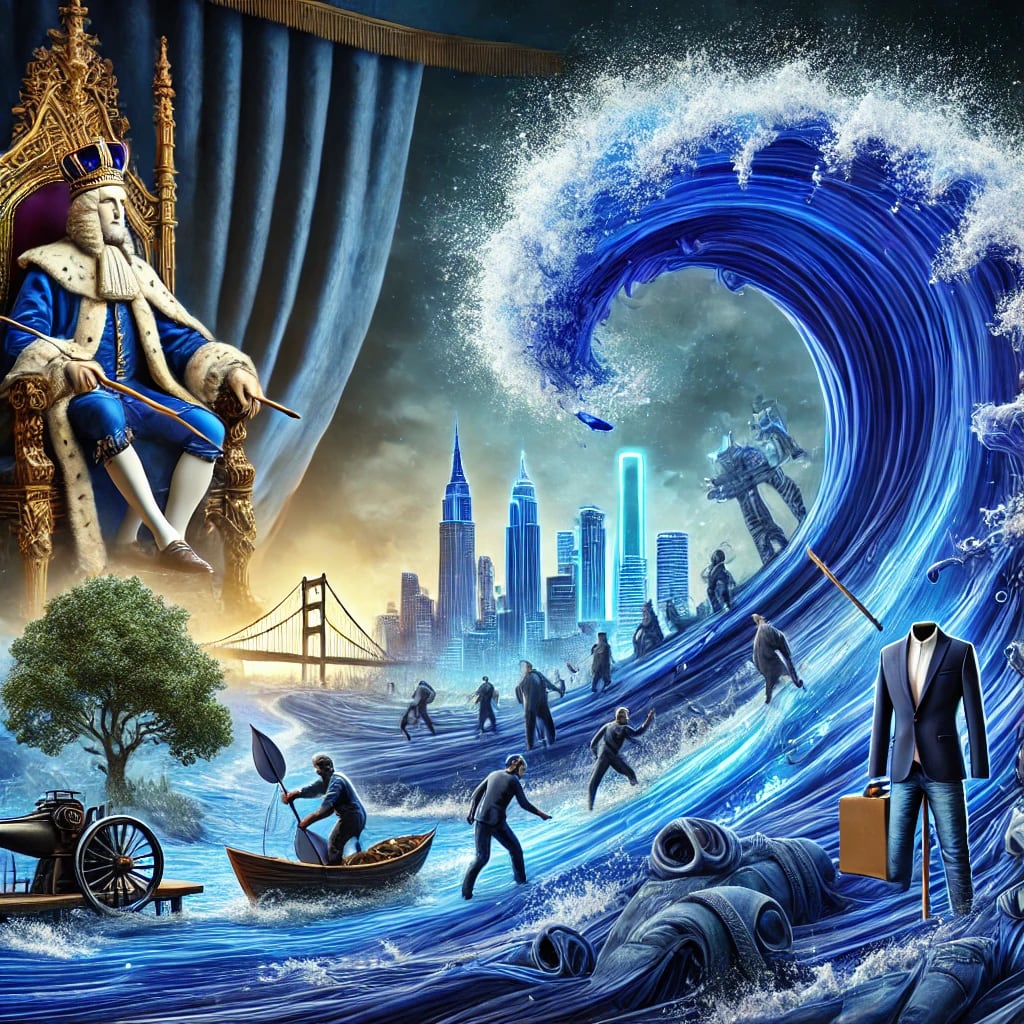
Color is more than just a visual experience—it carries history, emotions, and meaning. Some colors have been more influential than others, leaving an undeniable mark on art, fashion, and even psychology. Among them, blue has held a special place for centuries.
From ancient dyes extracted at great cost to the digital glow of modern screens, blue has transformed societies, inspired movements, and captured the human imagination. It is the color of royalty and revolution, of serenity and sorrow, of the heavens and the deep sea. But how did blue earn its revered status? Let’s dive into the history, symbolism, and influence of one of the world’s most beloved colors.
The Origins of Blue: A Color Once Rare and Priceless
Unlike red or yellow, which can be found in nature abundantly, blue is rare in the natural world. There are few blue plants, animals, or minerals, making it one of the most difficult colors to produce in ancient times.
Egypt’s Love for Lapis Lazuli: The ancient Egyptians treasured lapis lazuli, a deep blue stone mined in Afghanistan, using it for jewelry, amulets, and even painting the eyebrows of King Tutankhamun’s golden mask.
The Birth of Ultramarine: During the Renaissance, artists like Michelangelo and Vermeer used ultramarine, a pigment made from lapis lazuli, which was so expensive it was often reserved for painting the robes of the Virgin Mary.
Indigo’s Global Impact: While ultramarine dominated Europe, indigo, derived from plants, became the world’s most famous blue dye. It played a role in colonial trade, shaping the economies of India, Africa, and the Americas.
For much of history, blue was a symbol of luxury, power, and divine connection—until chemistry changed everything.
The Democratization of Blue: From Elitism to Everyday Life
With the discovery of synthetic blue pigments, the color transformed from something only the elite could afford to something everyone could wear and use.
Prussian Blue (1706): Accidentally discovered by a German chemist, this synthetic pigment replaced expensive ultramarine and was widely used in art, military uniforms, and even early blueprints.
Synthetic Indigo (1897): With the mass production of indigo dye, blue became the foundation of denim jeans, first worn by miners and now a global fashion staple.
The Blue Revolution in Advertising: By the 20th century, blue was no longer just a noble color—it became the corporate color of trust, adopted by companies like Facebook, IBM, and Ford.
As blue became more accessible, it shifted in meaning, taking on new cultural and emotional associations.
Blue in Art: A Symbol of Emotion and Expression
Throughout history, artists have turned to blue to evoke deep emotions, from calmness to melancholy.
The "Blue Period" of Picasso (1901-1904): After losing a close friend, Picasso painted almost exclusively in shades of blue, capturing sadness, isolation, and introspection.
Van Gogh’s "Starry Night": The swirling blues of one of the world’s most famous paintings symbolize a mix of wonder and turmoil.
Yves Klein and the Power of a Single Color: In the 1960s, the French artist patented his own shade of blue (International Klein Blue) and used it to create entirely monochromatic works, pushing the limits of artistic expression.
Whether in the deep ocean tones of classical paintings or the neon blues of contemporary digital art, blue remains one of the most evocative colors in human creativity.
Blue in Fashion: From Royalty to Rebellion
Blue’s journey through fashion has been as dynamic as the people who wore it:
Royal Blue: In medieval Europe, blue was the color of kings and queens, symbolizing loyalty, power, and divine right.
Denim and the Working Class: Originally designed for laborers, blue jeans became a symbol of rebellion in the 1950s, worn by icons like James Dean and Marilyn Monroe.
The Modern Business Suit: Today, navy blue is the preferred color for professional settings, signaling confidence and reliability.
From elegance to everyday wear, blue has remained timeless, adaptable, and universal.
The Psychology of Blue: Why We Love It
Blue is more than just a color—it affects our emotions and behaviors in ways we don’t always realize.
Calm and Trust: Studies show that blue has a soothing effect on the mind, reducing stress and promoting relaxation. This is why many hospitals, meditation spaces, and airlines use blue interiors.
The "Trustworthy" Color: Research in marketing shows that people associate blue with stability and credibility, which is why major brands and financial institutions favor it.
Blue and Appetite: Interestingly, blue is one of the least appetizing colors, rarely found in food packaging, as humans instinctively associate it with spoilage or toxicity.
Whether it’s used to calm, inspire, or persuade, blue has an undeniable power over the human mind.
Blue in the Digital Age: The Color of Technology and the Future
As we move deeper into the 21st century, blue continues to dominate modern visual culture:
Social Media Giants: Facebook, Twitter, LinkedIn, and other platforms use blue to convey trust and connection.
Artificial Intelligence & Sci-Fi: Blue light represents the future, from glowing LED screens to the aesthetic of futuristic cities in movies like Tron and Blade Runner.
The Science of Blue Light: While blue screens have reshaped how we consume media, they also affect sleep cycles—too much exposure at night disrupts melatonin production.
As digital landscapes evolve, blue remains at the forefront of innovation and creativity.
Final Thoughts: The Enduring Power of Blue
From ancient kings to modern CEOs, from Renaissance paintings to Instagram icons, blue has continuously shaped the world around us. It is a color of paradoxes—both calming and commanding, both historical and futuristic.
The next time you wear blue, paint with it, or see it glowing on your screen, remember: you’re engaging with a color that has shaped civilizations, inspired masterpieces, and defined generations.
About the Creator
Ahmet Kıvanç Demirkıran
As a technology and innovation enthusiast, I aim to bring fresh perspectives to my readers, drawing from my experience.
Reader insights
Outstanding
Excellent work. Looking forward to reading more!
Top insights
Excellent storytelling
Original narrative & well developed characters
Eye opening
Niche topic & fresh perspectives
Masterful proofreading
Zero grammar & spelling mistakes
Keep reading
More stories from Ahmet Kıvanç Demirkıran and writers in Art and other communities.
The Motivation Code: Why Some People Always Stay Driven (And How You Can Too)
We all know that one person who always seems to be highly motivated—the go-getter who consistently wakes up early, tackles challenges head-on, and never seems to run out of energy. Meanwhile, the rest of us struggle to stay focused, frequently falling into cycles of procrastination, self-doubt, and loss of momentum.
By Ahmet Kıvanç Demirkıran11 months ago in Motivation
Impressive Artwork by Odilon Redon
French symbolist artist Odilon Redon was famous for his drawings in the 1880s. The artist’s artworks were mentioned in the popular 1884 novel “A Rebours,” or “Against the Grain,” by Joris-Karl Hysmans. His later artworks were created in oils and pastels. He developed an interest in Hinduism and Buddhism, and this interest in mysticism is reflected in his works of art.
By Rasma Raisters6 days ago in Art
Wild Card Weekend Recap: What Happens Now?
I think I figured out why I love Wild Card Weekend so much. It's because it's the first playoff anything of the calendar year. The NFL season starts in the fall, and once upon a time, the champion was crowned either on or slightly before New Year's. The evolution of the NFL schedule has resulted in the playoffs starting just into the New Year, and currently, the final week of the season falls on the first weekend of the New Year, with Wild Card Weekend coming a week after that. So yes, chronologically, the NFL's Wild Card Weekend serves as the first playoff anything of the calendar year.
By Clyde E. Dawkins6 days ago in Unbalanced



Comments (1)
Wow! Very interesting and inspiring! Thank you for sharing. I love the colour blue so much and never realized that once upon a time very rare and accessible only to the elites. Thank God for chemistry, for changing everything around that we can all enjoy this colour. 😊